- New




Trachelospermum asiaticum 'Summer Sunset', the variegated star jasmine with foliage that glows red then turns creamy green, orange and yellow, fragrant summer flowers, ideal for trellises, pots and decorative ground cover, easy to care for, very ornamental!!
Description
The Trachelospermum asiaticum 'Summer Sunset' stands out for its variegated foliage and fragrant summer blooms, offering both visual and olfactory appeal in the garden. This cultivar combines the utility of a climbing plant with that of a groundcover, making it versatile for trellises, pergolas, containers or slopes. Young shoots emerge red‑orange and leaves develop a mix of green, cream and yellow, providing year‑round interest.
Native to East Asia, notably Japan and Korea, the species has been selected for ornamental value. Cultivars such as 'Summer Sunset' result from breeding aimed at enhancing variegation and color intensity. These selections are widely used in temperate gardens for their evergreen interest.
Belongs to the Apocynaceae family, known for woody species often exuding milky sap. Typical features such as star‑shaped flowers and follicular fruits are characteristic of this family. This botanical placement helps anticipate cultural needs and potential pest sensitivities.
'Summer Sunset' is notable for brightly colored young shoots and pronounced variegation, making it highly decorative. Historically, Trachelospermum has been used to adorn pergolas and walls for its scent and evergreen foliage. Botanically, the combination of evergreen leaves and summer fragrance makes it a valuable ornamental.
As a climber, 'Summer Sunset' typically reaches 0.8–3 m, depending on support and pruning; in groundcover use it remains lower and spreading. Height is strongly influenced by pruning regime. In containers it stays more compact and manageable.
Spread ranges from 1–3 m, allowing rapid coverage of trellises or banks. Under favorable conditions stems lengthen and increase the plant’s spread. Proper spacing prevents competition and promotes dense foliage.
The habit is twining and branched, suitable for training or as a dense groundcover when stems are left to trail. Stems entwine and form a compact mass when guided. This versatility suits a variety of landscape uses.
Stems become slightly woody with age and show an inconspicuous light brown to grey bark; the plant exudes milky sap when cut. Stems remain flexible and are easy to prune for shaping.
Foliage is evergreen and strongly variegated on 'Summer Sunset', with young shoots turning red‑orange in spring. This colorful variation persists for much of the year, providing continuous visual interest. Leaves are leathery, oval and alternately arranged along the stems.
Growth rate is moderate to vigorous depending on soil fertility and exposure; in rich, well‑watered soils the plant spreads faster. Vigour allows good coverage within a few seasons if planted at recommended spacing. Regular light pruning keeps growth in check.
Hardiness is moderate: the cultivar generally tolerates winter temperatures around -12 °C depending on microclimate and protection. In colder zones, mulching the root zone and a sheltered position improve survival. Young plants are more frost‑sensitive than established specimens.
Flowering occurs mainly in summer (typically June–August), sometimes with staggered blooms depending on climate and exposure. Flowers appear on current season’s wood and may be more abundant after favorable springs. Regular flowering enhances the garden’s olfactory appeal during warm months.
Flowers are small, star‑shaped, cream to pale yellow, grouped in small clusters; they emit a soft, pleasant fragrance. The scent, often more noticeable in the evening, complements the visual interest of the variegated foliage. Flowers last several days and can be numerous enough to scent nearby areas.
Fruits are follicles containing winged seeds dispersed by wind; they have no culinary interest. Fruiting is inconspicuous and not a focus in ornamental culture. Propagation is mainly by cuttings or layering rather than seed.
Fragrant flowers attract bees and butterflies, contributing to local biodiversity and pollinator support. The flower scent and shape act as attractants for foraging insects. The plant thus plays a useful role in pollinator‑friendly gardens.
Partial shade to light sun is ideal to preserve variegation and avoid leaf scorch; in full sun variegation may fade and foliage can suffer. A sheltered position from cold winds promotes flowering and leaf retention. In deep shade variegation may weaken and growth slow.
Amend soil with well‑rotted compost to improve structure and fertility; ensure good drainage. Avoid compacted soils and areas of waterlogging that promote root rot. Incorporate a handful of organic fertilizer at planting to support root establishment.
Space plants 1–2 m apart depending on use (1 m for dense groundcover, 1.5–2 m for trellis training). Proper spacing allows good air circulation and reduces disease risk. For low hedges, reduce spacing to achieve quick coverage.
Prefers well‑drained, fresh to slightly moist soils, neutral to slightly acidic; tolerates a range of textures if drainage is adequate. Stony, well‑drained soils are acceptable with sufficient organic matter. Avoid heavy clay without drainage improvement.
Dig a hole twice the width of the rootball, loosen the bottom soil, position the rootball at the same depth as in the pot, firm and water thoroughly. Install a support if you plan to train the plant immediately. Mulch the surface to conserve moisture and suppress weeds.
Water generously at planting and keep soil consistently moist during the first year to encourage rooting. Regular, moderate watering is preferable to infrequent heavy watering. Good drainage prevents root suffocation.
Mature plants tolerate moderate drought but perform best with regular watering during dry spells; weekly watering in summer is often sufficient. In containers, watering frequency increases. Mulch reduces watering needs.
Prune lightly after flowering to contain growth, encourage branching and remove dead wood; formative pruning in spring may be applied if needed. Severe pruning can reduce variegation on new shoots. Leave 2–3 nodes on pruned shoots to promote dense regrowth.
Propagate by semi‑ripe cuttings or layering; both methods reliably preserve cultivar traits. Cuttings root well under protection in a free‑draining medium. Seed propagation is possible but does not guarantee variegation fidelity.
Perfect for trellises, walls, pergolas, terraces and as a groundcover on slopes; in containers it adds color and fragrance to balconies. Its evergreen variegated foliage makes it a good structural element in borders. As a low hedge it provides fine textured contrast.
Pair with roses for bloom contrast, lavender for scent and drought tolerance, and ornamental grasses for movement and texture; these combinations highlight foliage color and fragrance. Dark‑leaved or silver‑foliaged plants accentuate the variegation. Avoid planting near species requiring permanently wet soil.
Mainly used ornamentally in gardens; Trachelospermum has been valued for scent and evergreen foliage. Flowers were sometimes used in local floral arrangements or to scent outdoor spaces. There are no notable culinary uses for this cultivar.
May be affected by scale insects, spider mites in dry conditions, and fungal issues if the root zone is waterlogged. Attacks are usually localized and more frequent in greenhouse or poorly ventilated container culture. Regular monitoring prevents severe damage.
Promote good air circulation, avoid overwatering and use mulch; natural predators such as ladybirds help control scale. For infestations, use soft soap or horticultural oil as biological treatments. Remove heavily infested parts and clean tools to limit spread.
Provide a sheltered exposure, well‑drained soil and regular light pruning to maintain a healthy, colorful plant. Mulch and organic feeding support steady growth and vivid variegation. Proper plant associations and adequate light enhance both aesthetics and flowering.
'Summer Sunset' is characterized by brightly colored young shoots and stronger variegation than the species, increasing its ornamental impact. These traits call for gentle pruning and a sheltered position to preserve coloration. Flower color and scent remain similar to the species, but foliage is the main attraction.
Summary The star jasmine 'Summer Sunset' features striking variegated foliage and fragrant summer flowers, ideal for trellises, pergolas and containers. Moderate hardiness and preference for well‑drained soil make it suitable for temperate gardens. Its scent and pollinator appeal boost both aesthetic and ecological value.
Shipping & delivery
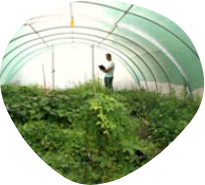 As soon as you place your order your plants are selected
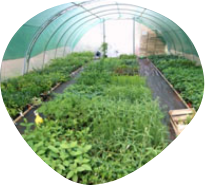 Each order is processed individually.
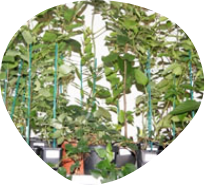 Plants are packed, staked and labeled.
 Packaging is carefully implemented to avoid any problems.
 Packages are ready to be shipped.
We ship our plants throughout Europe (excluding overseas territories and islands).
Avis clients


Trachelospermum asiaticum 'Summer Sunset', the variegated star jasmine with foliage that glows red then turns creamy green, orange and yellow, fragrant summer flowers, ideal for trellises, pots and decorative ground cover, easy to care for, very ornamental!!
Your cart is empty
Continue shopping