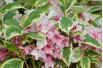
Variegated Weigelia - Weigela florida 'Variegata'
Main Interest
The Variegated Weigelia is a reliable and highly decorative ornamental shrub that brings enduring brightness to garden landscapes throughout the growing season. This cultivar stands out from the species type due to its striking two-toned foliage, which remains visually appealing even when the plant is not in bloom. In late spring, the shrub is covered in a profusion of pale pink bell-shaped flowers that contrast beautifully with the creamy-white margins of the leaves. It is a robust and highly adaptable plant that grows well in various soil types and demonstrates excellent hardiness against severe winter conditions. With its compact habit and gracefully arching branches, it is an ideal choice for informal hedges or as a structural feature in mixed shrub borders.
Origins and Characteristics
Geographical origin:
This species is native to the woodlands and plains of East Asia, predominantly found in China, Korea, and Japan. The specific cultivar 'Variegata' was selected in Europe during the 19th century to stabilize this attractive foliage mutation. Its high adaptability allowed it to quickly become a classic staple in temperate European gardens.
Botanical family:
The Weigelia belongs to the Caprifoliaceae family, an important botanical group that also includes honeysuckles and abelias. Plants in this family are typically characterized by opposite leaves and tubular or bell-shaped flowers that are highly attractive to beneficial insects. This relationship explains its free-flowering nature and easy growth habits.
Notable features:
The genus name Weigela was given in honor of the German scientist Christian Ehrenfried von Weigel, a prominent 18th-century professor of botany. Botanically, this cultivar is distinguished by the high stability of its variegation, which rarely reverts to a fully green form. Its hollow, flexible twigs were historically used for fine basketry work in its native regions.
Description and Details
Adult height :
At maturity, this shrub typically reaches a well-balanced height between 1.80 and 2 meters. Its development remains steady and controlled, which reduces the need for frequent pruning to limit its size. This medium stature makes it perfectly suited for inclusion in standard-sized mixed borders.
Adult width :
The spread of its branches is equal to its height, measuring between 1.80 and 2 meters in diameter at adulthood. It forms a full and well-proportioned plant mass, ideal for filling empty spaces within a shrubbery composition. Its natural spread helps shade the ground effectively, limiting weed growth around its base.
Habit :
The habit is bushy, flexible, and slightly arching, giving the shrub a very natural and graceful silhouette. The secondary branches lean gently toward the ground under the weight of the flowers in late spring, creating a lovely dome effect. This supple architecture adds softness and organic curves to the structural lines of the garden.
Bark :
The bark of young twigs displays a light brown to greyish hue, with a smooth texture marked by subtle longitudinal lines. As the wood matures, the main stems turn darker and develop shallow cracks that offer good protection against adverse weather. The bark remains clean and understated, allowing the variegated foliage to take center stage.
Foliage :
The foliage is deciduous, consisting of opposite, oblong, pointed leaves of a light green color with creamy-white margins. This bicolour pattern remains stable from spring until the first autumn frosts, without greening out in the shade. The creamy edges can sometimes develop a subtle pink tint in autumn before the leaves drop.
Growth :
The growth rate is medium to fast, with the shrub establishing itself vigorously within the first two years after planting. It produces numerous new shoots annually from the base, allowing its internal structure to renew itself regularly. It reaches its adult size quickly, providing an immediate visual impact in landscape designs.
Hardiness :
The plant possesses excellent cold resistance, tolerating winter frosts down to -20°C (-4°F) without any damage. This robustness makes it perfectly adapted to the cold winters of Central and Northern Europe. Its woody branches suffer no harm from the weight of snow or freezing winter winds.
Flowering and Fruiting
Flowering period :
The main flowering is highly profuse and occurs from May to June, nearly covering the variegated foliage with blooms. A light, more discrete re-bloom can sometimes occur in late summer if weather conditions remain relatively cool.
Description of flowers :
The flowers are shaped like small pale pink bells, gathered in dense clusters along the branches of the previous year. The inside of the corolla is often slightly lighter, creating a delicate gradient of pink tones. They bloom concurrently, ensuring an intense floral display that lasts for several weeks.
Fruits :
The fruiting consists of small dry capsules that mature at the end of summer after the flowering season. These brown capsules carry no specific ornamental value and split open at full maturity to release minuscule seeds. They remain discretely attached to the bare winter branches without affecting the shrub's appearance.
Wildlife attraction and nectar value :
The tubular flowers of this Weigelia produce abundant nectar, attracting many pollinating insects such as bumblebees and butterflies. The dense, bushy structure of the branches also provides an ideal nesting shelter for small birds in spring. It is an excellent plant for supporting local biodiversity within a naturally managed garden.
Exposure
The Variegated Weigelia prefers a position in mild sun or semi-shade, which ensures maximum foliage color contrast without the risk of scorching. Sufficient light is essential to guarantee a profuse bloom and distinct variegation patterns. In regions with very hot summers, semi-shade is recommended to keep the foliage fresh.
Planting
Soil preparation advice :
The planting hole should be loosened deeply to aerate the soil and facilitate initial root expansion. It is advisable to enrich the native soil by incorporating a good volume of mature organic matter, such as compost. Because our plants are grown and delivered in pots, they possess a healthy root system that allows successful planting year-round, except during frosts.
Spacing between plants :
When planting a mixed border or an informal hedge, maintain a distance of 1.50 to 1.80 meters between each shrub. This spacing allows the lower branches to arch freely without being smothered by neighboring plants. Good spacing also ensures uniform light exposure on all sides of the bush.
Soil type :
This cultivar thrives best in a rich, moist, and well-drained soil, preferably neutral to slightly alkaline. It tolerates a wide range of soil structures but dislikes excessively heavy and compact soils that retain stagnant water in winter. Soil that stays fresh during summer guarantees healthier foliage.
How to plant :
Thoroughly moisten the root ball by dipping it in water before placing it in the hole, ensuring the root collar sits level with the ground. Fill in with the improved soil, press down gently by hand, and create a watering ring around the base. Applying an organic mulch layer is recommended to retain moisture and protect the roots from temperature swings.
Watering
Water requirements at planting :
Regular and copious watering is absolutely necessary during the first year after planting, especially during the summer months. This allows the root system to spread effectively beyond the original root ball and ensure proper establishment. Do not let the soil dry out completely during this critical phase.
Water requirements at maturity :
Once the shrub is well-established and mature, its water requirements become moderate. However, it retains a preference for fresh soils and appreciates supplemental watering during periods of prolonged drought. A lack of water in summer can cause premature leaf wilting and limits the growth of new shoots.
Pruning
When and how to prune :
Maintenance pruning must strictly take place after flowering, in early summer, to avoid destroying the flower buds for the following year. The procedure consists of cutting back the spent flowering stems by one-third and removing dead wood or misplaced branches. It is advisable to remove the oldest stems at the base every three years to rejuvenate the shrub.
Propagation
The easiest and most effective propagation method for this cultivar is via softwood cuttings in early summer, or semi-ripe cuttings later in the season. Cuttings root quickly under a humid propagation frame and yield plants that are identical to the parent plant. Layering of the low branches can also be successfully performed.
Garden Usages
This shrub fits perfectly into mixed informal hedges, where its variegated foliage creates an interesting visual contrast against solid green shrubs. Its arching silhouette also makes it an excellent specimen plant on a lawn or a structural element within a large summer border. Its natural brightness is ideal for lighting up darker corners of the garden.
Protection against Diseases and Pests
The Variegated Weigelia demonstrates excellent natural resistance against common diseases and rarely suffers from serious infestations. In spring, young aphids may occasionally colonize the tips of tender new shoots, without harming the overall health of the shrub. A simple spray of water or the presence of natural predators is usually enough to control them.
Tips for Good Development
To ensure harmonious development, apply an organic soil conditioner or mature compost at the base of the shrub each spring. Renew the mulch layer regularly to maintain constant freshness around the roots during the warm season. Avoid fertilizers that are too rich in nitrogen, as they promote excessive foliage growth at the expense of spring blooms.



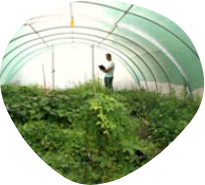 As soon as you place your order your plants are selected
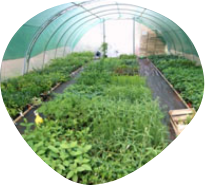 Each order is processed individually.
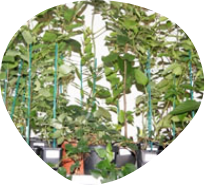 Plants are packed, staked and labeled.
 Packaging is carefully implemented to avoid any problems.
 Packages are ready to be shipped.