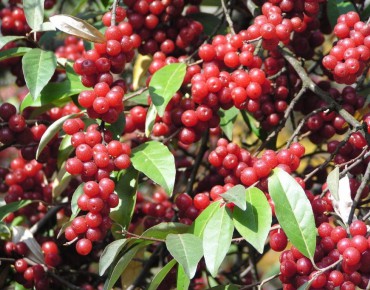
- In cultivation





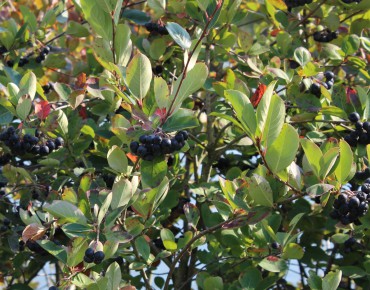
- Pick up on site


Description
The Orange tree Cara Cara is a beautiful and productive citrus tree, prized for its pink-fleshed, seedless fruits and exceptionally sweet flavour. A natural mutation of Washington Navel discovered in Venezuela in the 1970s, it's ideal for container growing or planting outdoors in warm climates.
Geographical origin: South America (Venezuela)
Botanical family: Rutaceae
Notable features: Cara Cara’s pink color comes from lycopene, a natural antioxidant. It's a spontaneous mutation of the Washington Navel.
Mature height: 2 to 3 meters in container, up to 4 meters in the ground
Mature spread: 2 to 3 meters
Habit: Compact, rounded, well-branched
Bark: Smooth, grey to light brown
Foliage: Evergreen, aromatic, glossy dark green
Growth: Slow to moderate
Hardiness: Down to -3°C; must be protected or overwintered in cold climates
Flowering time: Spring, sometimes again in summer
Flowers: Small white blossoms, highly fragrant
Fruits: Medium-sized pink-fleshed oranges, juicy and sweet, seedless. Harvest from November to January. Self-fertile.
Wildlife interest: Bee-friendly, intensely fragrant flowers
Ideal light: Full sun, sheltered from wind
Soil type: Light, rich, slightly acidic to neutral
Soil preparation tips: Use citrus soil mix with compost in pots; improve drainage in heavy soils outdoors
Spacing: At least 2 meters
Soil nature: Loose, rich, non-calcareous
At planting: Keep soil moist, avoid dryness
At maturity: Moderate watering, reduce in winter
When and how: Light pruning after fruiting to maintain shape and airflow
Method: Grafted on Poncirus trifoliata . Sometimes propagated by cuttings.
Best placement: Patio, greenhouse, warm garden spot, terrace Recommended companions: citrus, palm tree, olive tree, pomegranate
Cultural usage: The fruit is valued for its high vitamin C and lycopene content, perfect for juicing and fresh eating. Symbol of Mediterranean gardens.
Vulnerabilities: Scale insects, spider mites, chlorosis in alkaline soils
Natural prevention: Good air flow, oil sprays in winter, acidic soil mix
Development advice: Repot every 2–3 years, feed with citrus fertilizer April to September, overwinter in a bright, frost-free area
Cara Cara stands out with its sweet, pink, seedless fruit, making it a decorative and edible citrus ideal for containers or gardens in mild climates.
Expédition & livraison
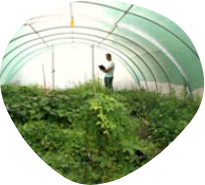 As soon as you place your order your plants are selected
 Each order is processed individually.
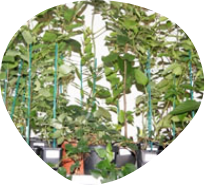 Plants are packed, staked and labeled.
 Packaging is carefully implemented to avoid any problems.
 Packages are ready to be shipped.
Shipping of our plants throughout Europe (except overseas and islands).
Customer reviews