Sweet Chestnut, Castanea sativa
Main Interest
The Sweet Chestnut (Castanea sativa), also known as the "bread tree," is a monumental feature of our landscapes, combining majesty with nourishing bounty. As a forest fruit tree, it is distinguished by its massive stature and its ability to produce delicious chestnuts, protected by a prickly husk. Its wood is exceptional: naturally rot-resistant and rich in tannins, it has been used for centuries for outdoor joinery without the need for chemical treatments. In the garden, it offers dense shade thanks to its wide canopy. Its summer flowering attracts a multitude of pollinators, promoting local biodiversity. It is a long-lived tree, becoming a sculptural masterpiece with a trunk that twists over time. Planting a chestnut tree means leaving a legacy that feeds both humans and wildlife. Our pot-grown plants guarantee a vigorous start for this gentle giant.
Origins and characteristics
Geographical origin : Asia Minor to the Balkans, naturalised across Europe by the Romans.
Botanical family : Fagaceae (like oak and beech).
Notable features : A staple food in mountain regions; the wood naturally repels spiders due to its tannins.
Description and particularities
Mature height : 25 to 30 metres.
Mature width : 15 to 20 metres.
Habit : Initially pyramidal, becoming broad, rounded, and massive.
Bark : Smooth silver-grey when young, deeply fissured and spiralled when old.
Foliage : Deciduous, large serrated glossy green leaves, turning golden yellow and brown in autumn.
Growth : Rapid in the first 20 years, then slower.
Hardiness : Very hardy, down to -20°C or -25°C.
Flowering and fruiting
Flowering period : June to July.
Detailed description of flowers : Long, scented yellow male catkins with female flowers at the base.
Fruits : Brown chestnuts, sweet and starchy; cross-pollination recommended.
Melliferous characteristics : Major nectar source for bees (producing dark, robust honey).
Exposure and soil
Ideal exposure : Full sun or light partial shade.
Adapted soil type : Acidic to neutral soil (lime-hating), deep and well-drained.
Planting
Soil preparation tips : Our pot plants can be planted year-round (except during frost).
Spacing between plants : Allow 10 to 12 metres for full canopy growth.
Nature of soil : Sandy, rich in humus and free-draining.
How to plant : Hydrate the root ball, do not bury the collar, stake firmly and water well.
Watering
Water needs at planting : Regular during the first two summers (once a week).
Water needs at maturity : Drought-resistant, but water in August helps fruit size.
Pruning
When and how to prune : Formative pruning in winter for young trees to balance the structure.
Multiplication
Possible propagation methods : Grafting onto seedling rootstock to ensure fruit quality.
Uses in the garden
Ideal location for the plant : As a specimen in large gardens or orchards.
Recommended plant associations : Ferns, holly and ericaceous plants.
Traditional uses
Description of historical uses : For chestnut flour and naturally durable timber frames.
Protection against diseases and pests
Potential sensitivities : Chestnut blight and ink disease if drainage is poor.
Prevention tips : Ensure perfect drainage and encourage bird nesting.
Tips for good development
Practical tips : Mulch with leaves to keep the soil acidic and moist.



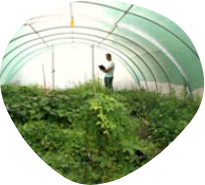 As soon as you place your order your plants are selected
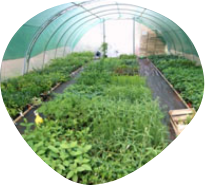 Each order is processed individually.
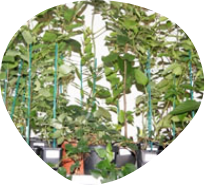 Plants are packed, staked and labeled.
 Packaging is carefully implemented to avoid any problems.
 Packages are ready to be shipped.