Common Medlar
Mespilus Germanica
(5/5)
- 1 rating(s)
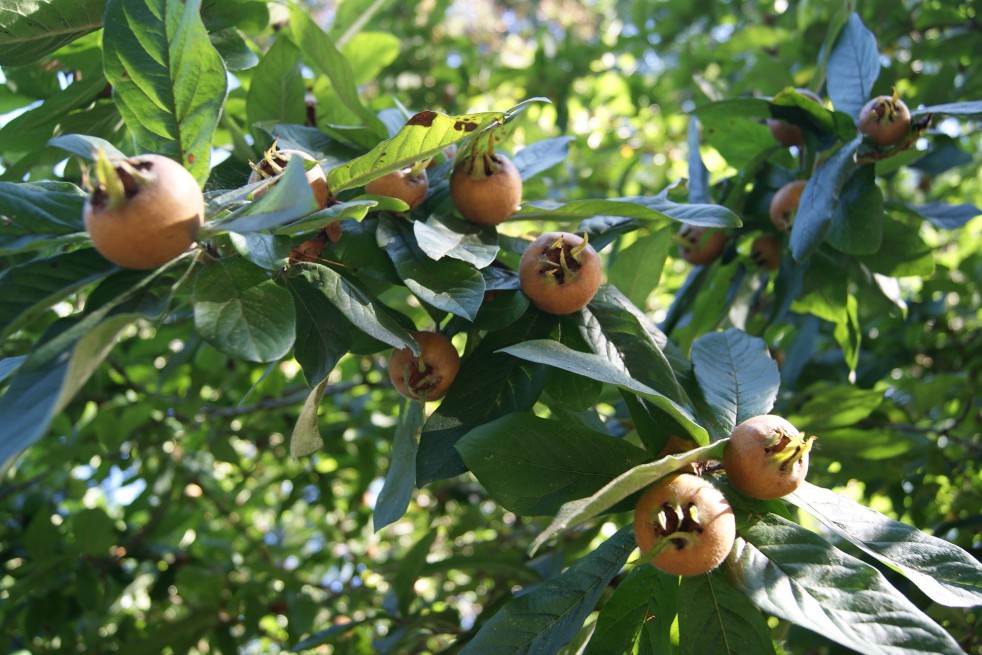
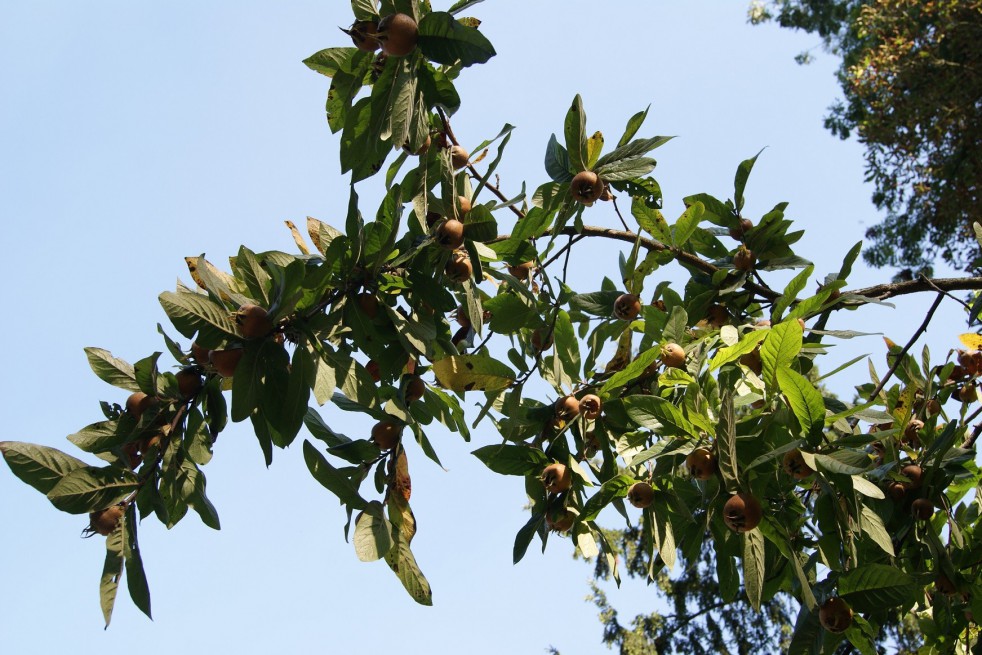
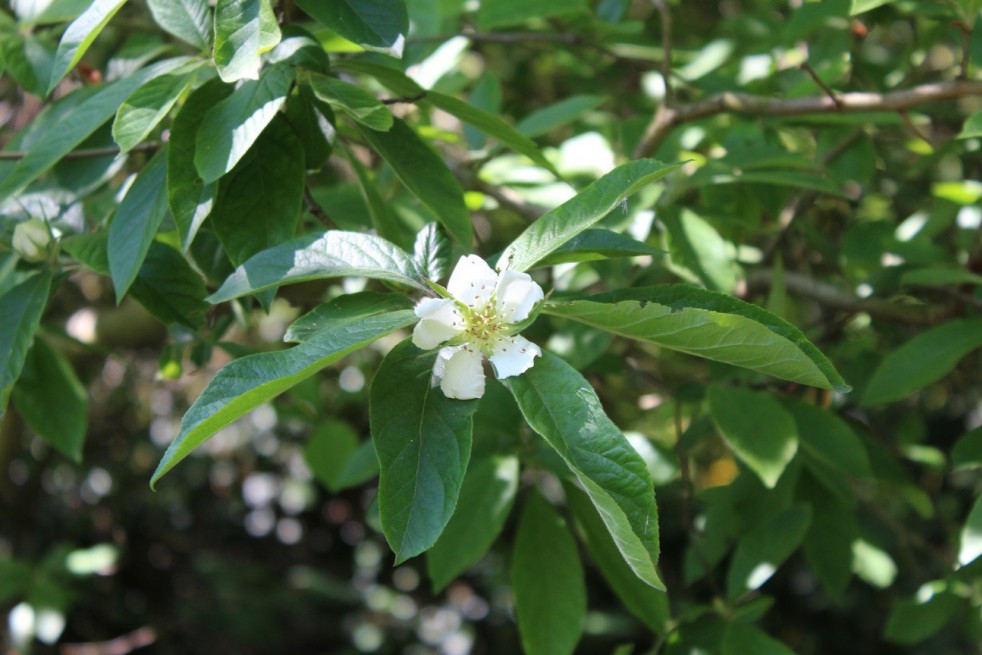
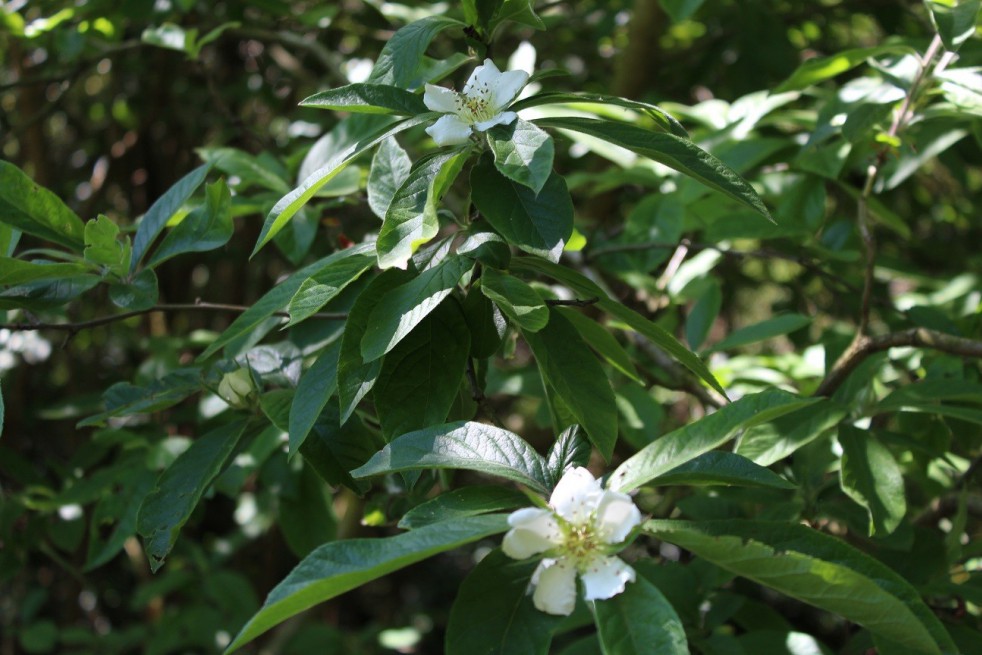
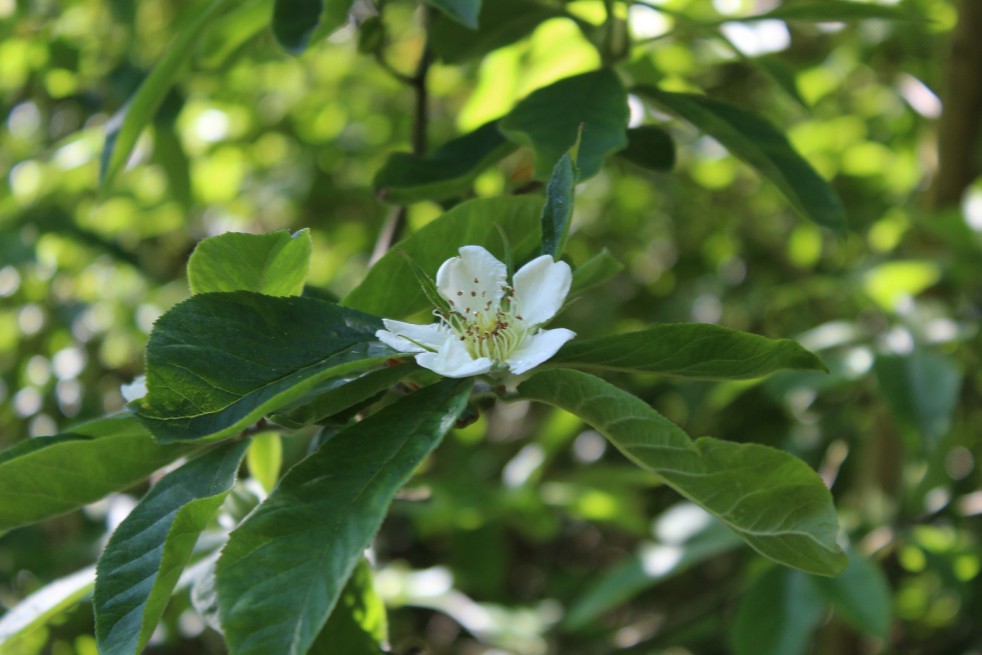
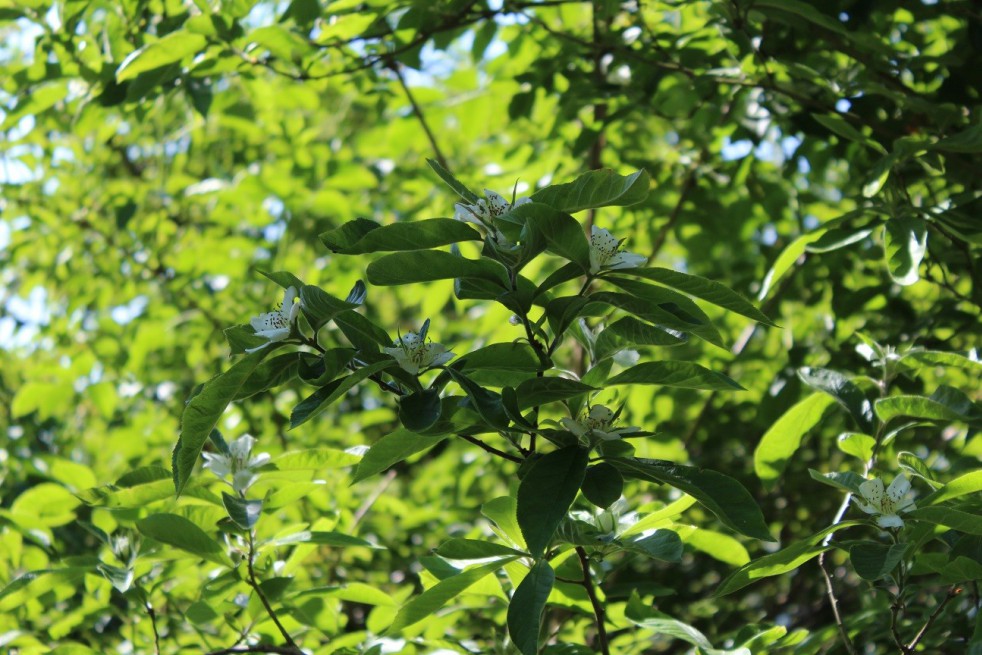
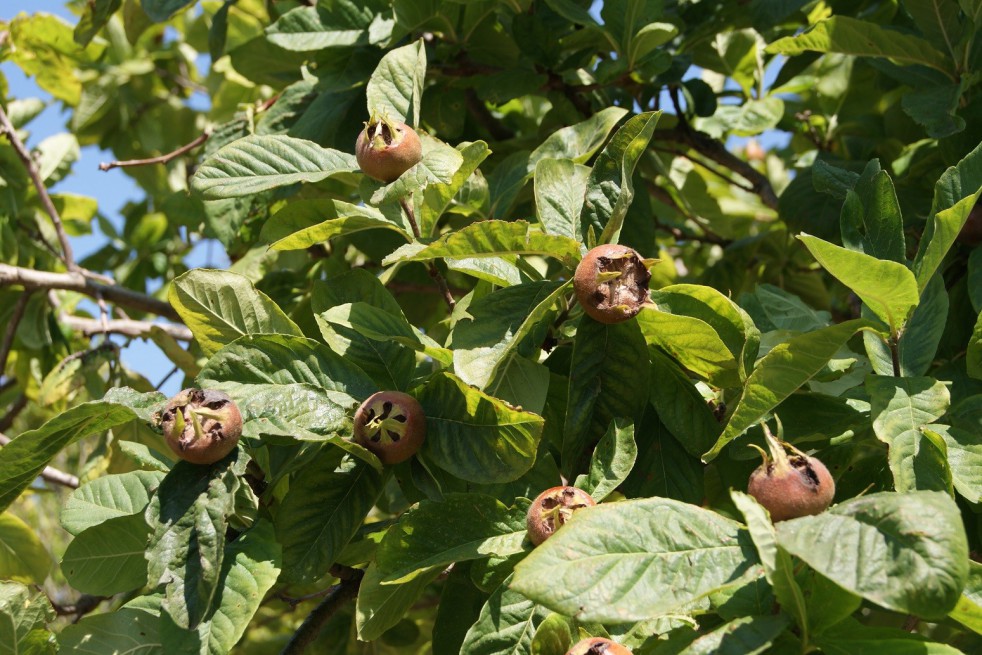
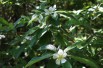
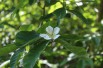
The Mespilus Germanica, or common medlar, is a fruit tree native to Asia Minor. It is an ancient variety that is highly valued for its ornamental qualities: with its pretty, slightly embossed leaves and its highly decorative white flowers. This forgotten fruit tree has become rare in orchards...
Description
Height at maturity
3/6M
Wingspan at maturity
5/7M
Exposure
Sun, partial shade
Flowering
may - june
Hardiness
-20°C
Origin
Asia (southwest) - Europe (southeast)
Common Medlar – Mespilus germanica
Origins and characteristics
Native to Asia Minor and widely naturalised across Europe, Mespilus germanica belongs to the Rosaceae family. It is one of the oldest cultivated fruit trees, valued for both its blossom and its fruits, which are eaten after bletting.
Description and particularities
Adult height : 3 to 6 metres
Adult spread : 5 to 7 metres
Habit : Spreading, slightly twisted, trunk often sinuous
Foliage : Deciduous; large oval dark‑green leaves turning yellow in autumn
Flowering period : May to June
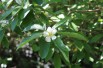
Flowers : White, solitary, cup‑shaped, 3 cm wide, highly ornamental
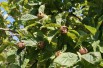
Fruits : Copper‑brown medlars, top‑shaped, edible after bletting (harvest in November)
Hardiness : Excellent, down to -20 °C
Exposure and soil
Exposure : Full sun or partial shade
Soil : Ordinary, well‑drained, rather rich but tolerates calcareous or clay soils
Tolerance : Not very sensitive to drought; adapts well to varied climates
Planting
Season : Autumn or early spring
Preparation : Loosen soil, add mature compost or well‑rotted manure
Spacing : 5 to 7 metres depending on desired growth
Watering
At planting : Regular watering during the first year
When mature : Low maintenance, except during prolonged drought
Pruning
When : Winter or late autumn
Advice : Light maintenance pruning to remove dead or misdirected wood; no severe pruning required
Propagation
By seed (slow to germinate), grafting or layering
Garden uses
Positions : Orchard, large garden as a specimen tree, country hedge border, natural area
Recommended plant associations :
Shrubs :
- Corylus avellana (hazel) for a hedgerow atmosphere
- Amelanchier lamarckii for white blossom and edible berries
- Malus Van Eseltine to complement an ornamental hedge
Perennials :
- Angelica archangelica to structure the base with elegance
- Aquilegia caerulea Snow Queen for refined charm
Disease resistance
Susceptibility : Very little prone to disease; robust against pests
Prevention : No treatment required under normal conditions
Tips for good development
Plant in well‑drained soil with good sunlight, water regularly during the first years, avoid overly rich fertilisation except at planting, avoid heavy pruning to preserve its natural shape, and expect 2 to 4 years before significant fruiting.
The common medlar (Mespilus germanica) produces fibre‑rich, antioxidant‑rich fruits valued in traditional cooking.
Its hard, dense wood is used for small objects, tool handles and fine woodworking.
Beyond its practical uses, the tree has strong ornamental value and supports orchard biodiversity.
Features
- Common name : Common Medlar
- Family : Rosaceae
- Category : fruit tree
- Spread : 5/7M
- Foliage : deciduous
- Color of flowers : white
- Fruit : medlar, edible
- Harvest : November to December
- Use : Orchard - isolated - undergrowth
- Soil : rich and well-drained
- Habit : Spreading
- Earth to use : universal potting soil/garden soil/compost
- Enemies : caterpillar - aphid
- Possible diseases : moniliasis - powdery mildew
- Date of last repotting : 15/01/26
Expédition & livraison
How does the delivery work?
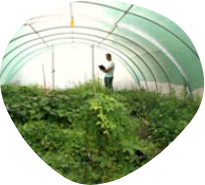 As soon as you place your order your plants are selected
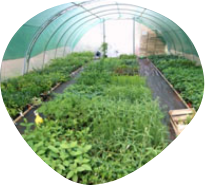 Each order is processed individually.
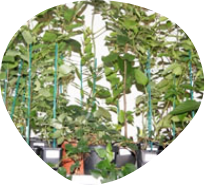 Plants are packed, staked and labeled.
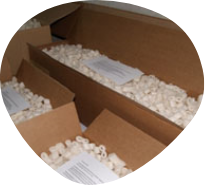 Packaging is carefully implemented to avoid any problems.
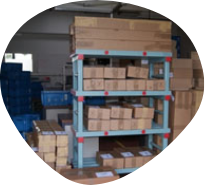 Packages are ready to be shipped.
Our delivery methods
Shipping of our plants throughout Europe (except overseas and islands).





Customer reviews
16 other products in the same category:

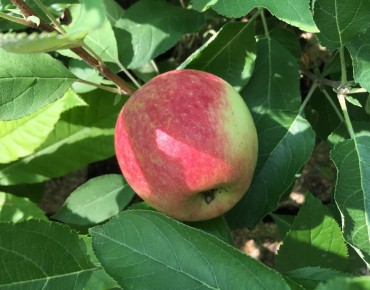
Columnar apple tree Redcats
Malus domestica Redcats
Plant height
40/50 cm in 1 liter pot (Grafted plant)
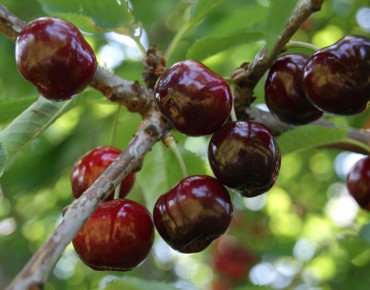
Cherry tree bigarreau Marmotte
Prunus avium Marmotte
Plant height
60/80 cm in 1 liter pot (Grafted plant)
- Out-of-Stock

- novelty
- Pick up on site
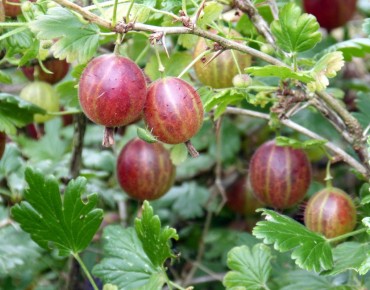
Red Gooseberry (in 2 liter pot)
Ribes uva-crispa Hinnonmaki red
Plant height
30/40 cm in 2 liter pot
- Pick up on site
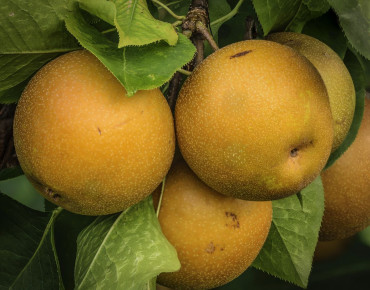
Nashi Pear Kosui
Pyrus pyrifolia 'Kosui'
Plant height
40/50 cm in 1 liter pot (Grafted plant)
- Out-of-Stock
- Pick up on site

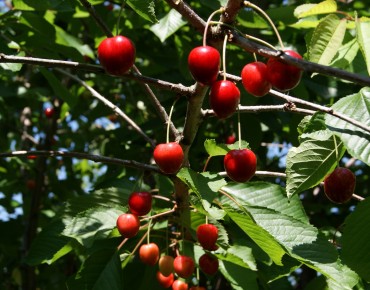
Columnar cherry tree Sylvia (in 10 liter pot)
Prunus Avium Sylvia
Plant height
180/200 cm in 10 liter pot
- Pick up on site
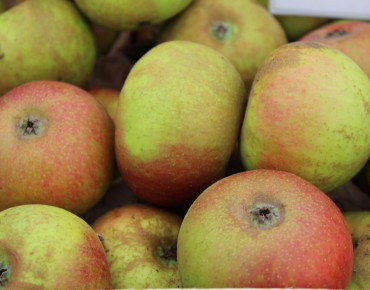
Reinette de France apple tree
Malus domestica Reinette de France
Plant height
30/40 cm in 1 liter pot (Grafted plant)
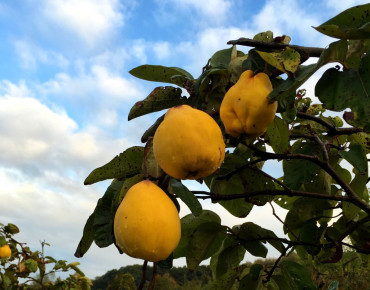
Portugal Quince
Cydonia oblonga Du Portugal
Plant height
40/50 cm in 1 liter pot (Grafted plant)
- Out-of-Stock