

Spinach Giant winter, viroflex
Spinacia oleracea
Harvest when it snows! Don't let your veg patch sit empty this winter. Spinach Giant winter is the cold weather superhero: XXL leaves, melting taste and vitamins guaranteed until spring.
Description
Spinach Giant winter - Spinacia oleracea
The champion of the vegetable patch in the cold season
Spinach Giant winter is a robust, heritage variety essential for any gardener wishing to optimize their vegetable patch during the greyer months. Unlike spring spinach which bolts quickly at the first sign of heat, this variety is selected for its great cold resistance and ability to survive winter outdoors.
Imagine being able to harvest large, fleshy, deep green and glossy leaves while the rest of the garden is dormant. That is the promise of this generous leafy vegetable. In terms of taste, Spinacia oleracea "Giant winter" offers a distinct, rich and slightly mineral flavour that mellows upon cooking. Its melting texture makes it a perfect choice for comforting quiches, vegetarian lasagnas or simply wilted in butter.
Beyond the plate, it is a rewarding plant: it covers the soil, suppresses weeds in winter and offers exceptional productivity. Whether you are a beginner or an expert, growing this spinach ensures vitamin-packed harvests from October until early spring, filling the famous "hungry gap" of winter production. A reliable, hardy and delicious choice.
Origins and botanical family
Geographical origin
Spinach has its roots far from our European vegetable gardens. It originates from ancient Persia (modern-day Iran). It travelled to Europe in the Middle Ages, introduced by Arabs via Spain, before conquering royal tables.
Botanical family
It belongs to the Amaranthaceae family (formerly Chenopodiaceae), just like beetroot, chard or quinoa. This is key information for managing your crop rotations in the vegetable garden.
Historical particularities
Long considered a "Lenten herb", it gained nobility in the Renaissance thanks to Catherine de' Medici. She loved it so much that she insisted on it at every meal, giving rise to the culinary term "Florentine".
Botanical description and characteristics
Adult height
It is a herbaceous plant that remains relatively low in the vegetative phase, generally reaching 20 to 30 cm in height. However, during flowering (bolting), the stem can rise up to 80 cm.
Plant habit
Spinach Giant winter forms a dense basal rosette. The leaves start from the heart of the plant and spread generously outwards, covering the ground well.
Foliage description
This is the major asset of this variety: it produces very broad, thick and blistered leaves. Sagittate (arrow-shaped) or rounded, they display a characteristic dark green colour, a sign of their richness in chlorophyll.
Sowing and growing conditions
Ideal sowing period
For this winter variety, timing is crucial. Sow in late summer or early autumn (from mid-August to October). The goal is for the plants to be well established before the severe cold.
Germination temperature
Spinach seeds germinate better in cool soil. The ideal temperature is between 10°C and 15°C. Above 20°C, germination can be erratic (thermal dormancy).
Depth and spacing
Sow in rows spaced 25 to 30 cm apart. Place the seeds in a shallow drill (2 to 3 cm maximum) and cover with fine soil. Light tamping with the back of the rake is recommended.
Recommended soil type
Spinach appreciates cool, humus-rich and well-drained soil. It dislikes soils that are too acidic; a neutral pH is ideal. Do not hesitate to add well-rotted compost before sowing.
Ideal exposure
In autumn and winter culture, choose a sunny exposure to capture maximum light and heat. In very hot regions, partial shade may be suitable for early sowings in August.
Water needs
The soil must remain constantly moist until emergence (which takes about 10 to 15 days). Then, water regularly if the autumn is dry, as water stress promotes early bolting.
Thinning method
When the plants have 3 or 4 leaves, thin out to leave only one plant every 10 cm. Do not throw away the pulled young shoots: they are delicious in a "mesclun" salad!
Care and maintenance
Soil management and mulching
The main enemy of spinach in winter is excess moisture combined with cold. A light mulch (straw, dead leaves) is very beneficial to protect the roots from frost and maintain stable humidity without suffocating the soil.
Disease prevention
Spinach can be subject to downy mildew (yellow/grey spots on the leaves). To avoid it, never water the foliage, but only the base, and respect planting distances so that air circulates.
Protection against pests
Slugs and snails love young tender leaves. Use natural barriers (ash, eggshells) or beer traps to protect your seedlings in autumn.
Harvest
Harvest period
Harvesting begins about 6 to 8 weeks after sowing, i.e., from October until March/April the following year. It is a vegetable that is harvested as needed.
How to harvest
To optimize yield, practice "cut-and-come-again" harvesting. Pick the largest outer leaves leaving the heart of the plant intact. This allows the spinach to continuously produce new leaves.
Storage
Spinach is fragile. It is ideally consumed within 24 hours after cutting to benefit from its vitamins. If you have too much, it freezes perfectly after being blanched for 2 minutes in boiling water.
Uses in the garden
Where to plant?
It is perfect in areas of the vegetable patch that become free at the end of summer (after beans or early potatoes). Winter cultivation allows the soil to be occupied instead of leaving it bare.
Beneficial plant associations
Spinach gets along very well with cabbage, strawberries and broad beans. On the other hand, avoid planting it next to chard or beetroot, as they draw the same nutrients and attract the same diseases.
Crop rotation
It is a nitrogen-hungry plant (for its foliage). It is advisable to wait 3 to 4 years before replanting spinach or plants of the same family in the same place.
Culinary uses
Flavour and texture
Spinach Giant winter offers a more robust and fleshy texture than spring shoots. Its flavour is herbaceous, with a very slight bitterness that brings character to dishes.
Ways to cook
Raw, it is used as young shoots to spice up salads. Cooked, it literally "melts" (count on a large raw quantity to get a cooked portion). It is excellent creamed, wilted in butter with garlic, or integrated into savoury tarts.
The gourmet tip
Try Eggs Florentine: a bed of spinach wilted in butter, a soft-boiled egg, all topped with Mornay sauce and gratinated. A timeless classic that makes children love green vegetables!
Ecology, curiosities and assets
The iron legend
Contrary to popular belief (and Popeye!), spinach is not the record holder for iron. This reputation apparently comes from a decimal point error by a biochemist in the 19th century. However, it remains extremely rich in vitamins C, B9 (folic acid) and fibre.
Ecological interest
Letting a few spinach plants flower in spring is excellent for biodiversity: the pollen is very appreciated by early pollinating insects coming out of hibernation.
Easy culture
It is an ideal plant for permaculture because it covers the soil in winter, preventing nutrient leaching by rains, while providing a food harvest. It also adapts very well to growing in deep containers on a cool balcony.
Spinach Giant winter amply deserves its place in the vegetable garden for its unique ability to produce an abundance of greenery when everything else freezes. Easy to grow, undemanding once established and delicious in the kitchen, it is the assurance of eating healthy and local, even in the depths of winter. Get started, your vegetable patch won't sleep this year!
Features
- Common name : Épinard géant d'hiver
- Category : vegetable
- Time to sow seeds : mi-août à fin septembre
- Harvest : après 20 à 30 jours
Specific References
- EAN13
- 8711117028192
Expédition & livraison
How does the delivery work?
 As soon as you place your order your plants are selected
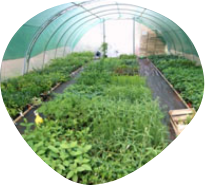 Each order is processed individually.
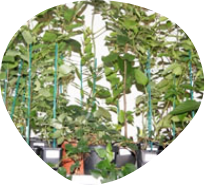 Plants are packed, staked and labeled.
 Packaging is carefully implemented to avoid any problems.
 Packages are ready to be shipped.
Our delivery methods
Shipping of our plants throughout Europe (except overseas and islands).





Customer reviews
Nobody has posted a review yet
in this language