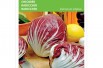







With its deep red colour and crisp texture, Radicchio Palla Rossa di Chioggia brings life to the autumn garden. A robust, flavourful and versatile vegetable for salads and warm dishes.
Description
Radicchio Palla Rossa di Chioggia is a traditional Italian chicory known for its round, compact heads with deep red leaves and striking white veins. Originating from the Venetian region, it combines a pleasantly bitter flavour with a crisp texture that shines both raw and cooked. In salads, it adds colour and character, while gentle cooking methods such as grilling or braising bring out its natural sweetness. Thanks to its robustness and tolerance to cool temperatures, radicchio is ideal for autumn cultivation, allowing gardeners to extend their harvest season well beyond summer. It grows reliably, requires little maintenance and fits perfectly into both classic vegetable gardens and compact urban spaces. The dense head stores well, retaining freshness long after harvest. Radicchio Palla Rossa di Chioggia is not only versatile in the kitchen but also visually striking. Its intense red colour brings elegance to the garden, while its long agricultural tradition adds charm and authenticity. It is a vegetable that beautifully blends heritage, flavour and ornamental value.
This radicchio originates from Chioggia, a coastal town near Venice where it has been cultivated for centuries. The mild Adriatic climate and mineral-rich soils helped shape a variety with intense colouring and firm heads. Local growers selected plants for flavour, resilience and uniformity, creating the renowned type we know today.
Radicchio belongs to the Asteraceae, the same family as lettuce, endive and dandelion. This explains its slight bitterness, its ability to form compact heads and its good tolerance to cooler temperatures. The family is known for adaptability, reflected in radicchio’s steady and reliable growth.
In Northern Italy, radicchio is a winter-market icon, prized for its vivid colour. Traditionally, some growers bleach the heads to soften the flavour and deepen the red tones. It features prominently in Venetian cuisine, especially in risottos, warm salads and grilled dishes, symbolising regional culinary heritage.
Plants reach 20–30 cm, making them compact and suitable for small gardens or raised beds. This modest height ensures stability in autumn weather and supports the formation of firm, well-shaped heads.
Radicchio forms a tight rosette that gradually closes into a round, dense head. Outer leaves protect the tender inner ones, ensuring a crisp texture and balanced flavour. This natural structure also improves post-harvest keeping quality.
Leaves are a deep red-purple with bright white veins, a contrast that intensifies as nights become cooler. The texture is firm and crisp, with a slight juiciness that works well in both raw and cooked dishes. Inner leaves are softer and milder.
The red colour develops through anthocyanin production, which increases in cooler conditions. The head closes gradually, forming a compact structure that protects the heart. A strong taproot helps the plant access moisture and contributes to its resilience.
Sow from June to August for the best autumn harvest. Early sowing may cause bolting, while summer sowing ensures steady growth and richer colour thanks to cooler nights. Direct sowing or gentle transplanting both work well.
Optimal germination occurs between 16–22°C, ensuring quick and even emergence. Excessive heat slows germination, while cold conditions weaken seedlings. A lightly moist soil supports successful sprouting.
Seeds typically germinate within 7–12 days, depending on soil moisture and temperature. Even moisture encourages strong early growth, helping seedlings become more resilient as they develop.
Sow at 0.5–1 cm depth and thin to 30 cm between plants and 35–40 cm between rows. Adequate spacing allows heads to form properly and develop full colour. Crowded plants remain smaller and less vibrant.
Radicchio thrives in nutrient-rich, fresh, slightly clayey soil that retains moisture without becoming waterlogged. A neutral to slightly alkaline pH is ideal. Adding compost improves structure and supports steady growth.
A sunny position enhances red colouring and head density. In hot summers, light partial shade in the afternoon helps prevent stress. Sufficient light is essential for compact, well-coloured heads.
Thin seedlings at the 3–4 leaf stage, keeping the strongest plants. Cutting excess seedlings at soil level avoids disturbing the roots of those left to grow.
Radicchio requires regular watering to maintain even soil moisture. Irregular watering increases bitterness and disrupts head formation. Mulching helps keep the soil cool and reduces evaporation.
Good spacing and airflow help prevent fungal issues. Water at the base to keep foliage dry and use mulch to reduce soil splash. Rotate crops every 3–4 years to avoid soil-borne diseases and maintain healthy growth.
Harvest 70–90 days after sowing, depending on season and soil fertility. Autumn harvests often show the best colouring thanks to cooler nights. Heads can remain in the ground briefly without losing quality.
A mature head is compact, firm and richly coloured, with crisp outer leaves. The inner leaves should be well protected and fresh. If the head begins to open, harvest promptly to avoid bitterness from bolting.
A square metre typically produces 2–4 kg of radicchio, depending on spacing and soil quality. Well-fed plants form larger, denser heads with deeper colour.
Radicchio keeps 1–2 weeks in the refrigerator wrapped in a damp cloth. Grilling and preserving in oil is a traditional Italian method that softens bitterness and extends shelf life.
Radicchio fits perfectly into autumn beds and raised planters. It brings colour when other crops fade and is ideal for small gardens thanks to its compact growth.
It pairs well with carrots, fennel, celery and leeks, which share similar growing needs. Aromatic herbs like thyme help deter pests and support biodiversity.
Avoid planting after other Asteraceae. A 3–4 year rotation helps prevent disease and keeps soil healthy. It follows fruiting crops or legumes particularly well.
Radicchio has a slightly bitter flavour balanced by a subtle sweetness. Cooler nights soften the bitterness, making autumn harvests especially pleasant. Its complexity suits both raw and cooked dishes.
Raw, it adds colour and crunch to salads. Cooked — grilled, braised or sautéed — it becomes softer and sweeter. It works beautifully in risottos, pasta dishes, warm salads and savoury tarts.
Try radicchio grilled with olive oil and balsamic vinegar for a classic Italian preparation. Heat softens the bitterness and brings out a rich, almost sweet flavour.
Radicchio supports biodiversity by feeding pollinators when it bolts. Its autumn growth protects soil from erosion and suits organic or permaculture systems thanks to its natural resilience.
In Chioggia, radicchio is sometimes bleached to deepen colour and soften flavour — a traditional technique still used today. It remains a culinary emblem of Venetian cuisine.
Radicchio grows well in deep containers, making it ideal for balconies and terraces. In a cold greenhouse, the season can be extended into late autumn. Its short cycle fits perfectly into permaculture rotations.
Radicchio Palla Rossa di Chioggia combines flavour, beauty and reliability, making it a valuable addition to any garden. Its intense colour brightens autumn beds, while its robust growth and easy care suit gardeners of all levels. It offers a unique taste experience, keeps well after harvest and brings both tradition and elegance to seasonal cooking.
Packs of 3 grams for 40 M²
Shipping & delivery
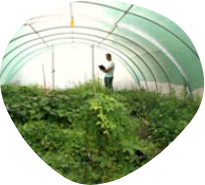 As soon as you place your order your plants are selected
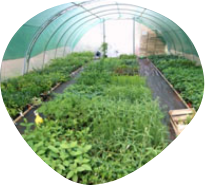 Each order is processed individually.
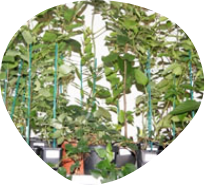 Plants are packed, staked and labeled.
 Packaging is carefully implemented to avoid any problems.
 Packages are ready to be shipped.
Expédition de nos plantes dans toute l'Europe (sauf en outre mer et les îles).
Avis clients






With its deep red colour and crisp texture, Radicchio Palla Rossa di Chioggia brings life to the autumn garden. A robust, flavourful and versatile vegetable for salads and warm dishes.