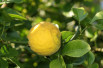
Trifoliate Orange, Poncirus trifoliata
Main Interest
The Trifoliate Orange, scientifically named Poncirus trifoliata, is an exceptional shrub that challenges the traditional rules of citrus cultivation due to its extraordinary cold hardiness. Unlike its relatives in the Citrus genus, this hardy citrus can withstand severe winters, making it the only representative of its type that can be grown in the ground in nearly all regions of Europe. Its major appeal lies in its structural and aesthetic versatility: in spring, it is covered with large, delicately fragrant white flowers that contrast beautifully with its deep green wood.
In summer, its unique trifoliate foliage adds a graphic touch to the garden, followed by globular fruits resembling small, fuzzy oranges that turn golden yellow at maturity. Although the fruit is very acidic and full of seeds, it is valued for making artisan jams or aromatic zest. Beyond its fruit, Poncirus trifoliata is a champion of defensive hedges thanks to its formidable, sharp, and strong thorns, creating an impenetrable and naturally decorative barrier. It is a structural plant that offers a changing spectacle throughout the seasons, combining the robustness of a wild shrub with the exotic elegance of citrus.
Origins and Characteristics
Geographical origin: This species originates from the temperate regions of central and northern China and the Korean peninsula. It was introduced to Japan centuries ago before reaching Europe in the 19th century, where it immediately attracted attention for its ability to survive in areas where no other citrus could thrive.
Botanical family: It belongs to the Rutaceae family, a large citrus family, but is distinguished by being the only species in the Poncirus genus. This botanical distinction explains its cold resistance and deciduous nature, two rare traits among Rutaceae.
Notable features: Poncirus trifoliata has historically been used as a universal rootstock for commercial citrus to provide better resistance to root diseases and cold. Another unique feature is that its stems remain green even in winter, allowing the plant to continue some photosynthetic activity after leaf drop.
Description and Particularities
Adult height: This vigorous shrub typically reaches a height of 3 to 5 meters. Growth is moderate in the first few years but accelerates once the root system is well established, quickly forming an impressive green screen.
Adult width: Its spread is nearly equal to its height, ranging from 2.5 to 4 meters. This generous size requires adequate spacing during planting, especially if it is to fully express its decorative potential as a solitary plant.
Form: The plant is bushy, dense, and heavily branched from the base. Its structure is naturally irregular but graphic, with intertwined branches forming an impenetrable silhouette, ideal for creating privacy or protective zones in the garden.
Bark: Young shoots are shiny emerald green, smooth, and armed with strong green thorns up to 5 cm long. With age, the bark becomes grayer and slightly fissured, but the current year's wood retains its distinctive green colour, brightening the winter garden.
Foliage: The leaves are deciduous, which is unusual for citrus. The leaves are trifoliate, glossy dark green in summer, turning to stunning golden yellow to orange shades in autumn before falling.
Growth: Growth rate is medium. It takes approximately five to seven years to obtain a well-structured specimen, although the plant usually bears fruit from three to four years old under optimal conditions.
Hardiness: This is the shrub's strongest point: it tolerates temperatures down to -20°C, sometimes -25°C in well-drained soil. This extreme resilience allows planting in open ground in northern France, Belgium, or Germany without special winter protection.
Flowering and Fruiting
Flowering period: The flowers mainly appear in spring, between May and June, often just before or during leaf emergence. A smaller second bloom may occasionally occur at the end of summer depending on climate.
Flowers: The flowers have five large pure white petals surrounding a cluster of yellow stamens. They measure 3 to 5 cm in diameter and emit a subtle fragrance, lighter than the common lemon tree but very pleasant on warm spring days.
Fruits: The fruits are globular hesperidia about 4 cm in size, covered with fine fuzz. At maturity in October, they turn bright yellow. Their taste is very bitter and acidic, but edible after processing (syrups, jams). The plant is self-fertile and does not require another pollinator.
Attractiveness to fauna: The flowers provide an important food source for bees and other pollinators in early spring. In addition, the dense, thorny branches offer exceptional and secure nesting sites for small songbirds.
Exposure and Soil
Ideal exposure: Poncirus trifoliata prefers full sun to ensure abundant flowering and optimal fruit ripening. It tolerates partial shade, but the plant will be less dense and less fruitful. Sheltered locations against prevailing winds are preferred to protect young shoots.
Soil type: Prefers deep, fertile, and moist soils but adapts to a wide range of soil types. Unlike other citrus, it tolerates slightly calcareous soil but grows best in neutral to slightly acidic ground. Perfect drainage is essential for winter survival.
Planting
Soil preparation: Potted plants can be planted all year round except during severe frost. Dig a hole two to three times the width of the root ball and loosen the bottom to allow proper anchoring of the taproot.
Plant spacing: For a defensive hedge: 80 cm to 1 m. For solitary or group planting: 2 to 3 m around the plant.
Soil type: The Trifoliate Orange prefers sandy or stony soil rich in nutrients. Avoid heavy clay that remains wet in winter, which can rot the roots. Adding heather soil can help if the soil is too calcareous.
Planting method: Soak the root ball in water, place it in the center of the hole so the top is level with the ground, fill with a mixture of garden soil and quality compost, press lightly, and form a watering basin.
Watering
At planting: Provide ample water immediately to remove air pockets and ensure contact between roots and soil. During the first year, maintain weekly watering in summer for vigorous growth without water stress.
Mature plants: Poncirus trifoliata is drought tolerant. Occasional watering during prolonged heat waves helps maintain healthy foliage and fruit development, especially for plants in large containers.
Pruning
When and how: Best done in late winter, around March, before growth resumes. For hedges: prune side shoots for density. For solitary plants: remove only dead wood or crossing branches to allow light penetration.
Propagation
Possible methods: Sowing is the most common method; seeds from ripe fruits germinate after cold stratification. Stem cuttings in August or layering is also possible, though slower for a robust specimen.
Uses in the Garden
Ideal location: Back of a border or in a free or defensive hedge. Avoid planting near paths or playgrounds due to thorns.
Recommended plant combinations: Pair with moisture-loving plants such as Azaleas or Camellias. For hedges: Holly (Ilex) for evergreen screening or Japanese Quince (Chaenomeles) for spring colour from March.
Traditional Uses
Historical and cultural uses: In China, dried fruits are used in traditional medicine to treat digestive issues. Its hard wood and thorns were used to make impassable fences for livestock.
Pest and Disease Protection
Potential vulnerabilities: Generally very resilient. May be susceptible to iron chlorosis in highly calcareous soil or occasional aphid or scale infestations on young shoots in spring.
Prevention and natural treatment: Apply acidic organic amendments or iron chelate for chlorosis. For aphids, a simple water jet or soapy solution usually suffices to control populations without harming beneficial insects.
Tips for Optimal Growth
Practical advice: Mulch the base with pine bark or wood chips to maintain summer freshness and protect roots in winter. Apply citrus fertilizer or well-rotted compost in spring to support spectacular flowering and glossy foliage.
Why Choose Trifoliate Orange for Your Garden?
Poncirus trifoliata is invaluable for gardeners seeking exotic appeal and winter hardiness. It survives -20°C without expensive protection. Aesthetically, it provides four seasonal visuals: fragrant white flowers, graphic summer foliage, remarkable autumn colours, and sculptural green winter form. An ecological shrub promoting biodiversity by feeding pollinators and sheltering birds. Easy to grow, disease-resistant, and adaptable, perfect for impenetrable defensive hedges or as a centerpiece in a naturalistic border. Growing a Trifoliate Orange is the luxury of citrus in any European climate.



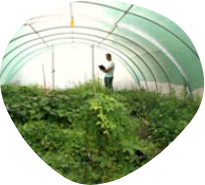 As soon as you place your order your plants are selected
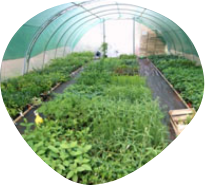 Each order is processed individually.
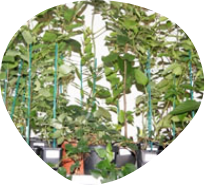 Plants are packed, staked and labeled.
 Packaging is carefully implemented to avoid any problems.
 Packages are ready to be shipped.