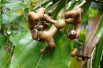
The Japanese raisin tree or Hovenia dulcis is sought after both for its beauty and for the succulent taste of its peduncles. After flowering, the latter begin to swell, turn red and fill with sugar before falling to the ground. They can then be picked and eaten.
A discerning palate will detect flavours of pear, melon, fig and, as promised, raisin. They are eaten raw, or prepared as compotes or jams. The fruits themselves, small round black drupes, appear just as appetizing, but they are not edible; only the peduncles are eaten like raisins.
White to greenish-yellow in colour, the flowers appear between July and August in the form of corymbs of about 6 cm. They are melliferous and fragrant, hence the irresistible attraction they exert on bees and butterflies.
The leaves contribute a significant part to the remarkable elegance of this deciduous tree. Heart-shaped and green in color, they produce an effect of plant profusion that would delight any gardener.
The height of the Japanese raisin tree can reach 10 meters high and 6 wide. Round and dense, its crown is supported by a light gray trunk. With age, the bark cracks into strips, adding an additional touch to the incomparable graphic nature of the tree.
Although hardy to -18° C, the Hovenia dulcis needs good exposure to the sun to support its exuberant fruiting and flowering. Also remember to install it away from cold and drying winds that could damage its delicate flowers. Give it moist, fresh, well-drained and non-calcareous soil.
The Japanese raisin tree will delight you just as much if you plant it in a grove, but it is wiser to place it a little apart. It will thus be able to fully deploy its beautiful branches while having enough clear space to let its peduncles fall in autumn.



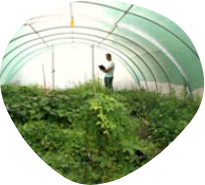 As soon as you place your order your plants are selected
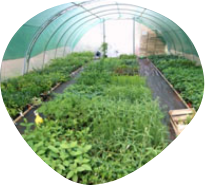 Each order is processed individually.
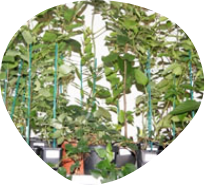 Plants are packed, staked and labeled.
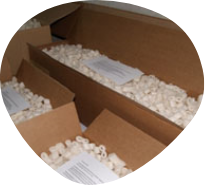 Packaging is carefully implemented to avoid any problems.
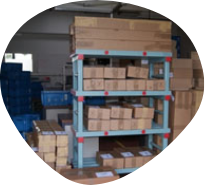 Packages are ready to be shipped.