Chinese Wisteria – Wisteria sinensis
General overview
Chinese Wisteria (Wisteria sinensis) is a vigorous, woody climbing plant, renowned for its spectacular spring flowering, made up of long, pendulous and intensely fragrant flower clusters, typically in shades of violet to bluish purple. It is one of the most iconic ornamental climbers, instantly evoking a romantic and timeless atmosphere in gardens.
Once well established, Chinese Wisteria is long-lived and extremely resilient. Although it may take a few years to flower generously, it rewards patience with a breathtaking floral display year after year.
Origin and history
Wisteria sinensis is native to China, where it grows naturally in open woodlands and mountainous regions. It was introduced to Europe in the early 19th century, quickly gaining popularity in botanical gardens and aristocratic landscapes.
The genus name Wisteria honours the American botanist Caspar Wistar, while sinensis refers to its Chinese origin. Today, Chinese Wisteria is considered one of the most widely cultivated flowering climbers worldwide.
Botanical characteristics and growth habit
Chinese Wisteria is a deciduous climbing plant capable of reaching:
-
10 to 15 metres in length,
-
with strong, vigorous growth once established.
Its stems twine anti-clockwise around their support.
Over time, the woody branches become extremely robust, requiring solid structures such as pergolas, metal frameworks or sturdy walls.
Foliage
The foliage is light and elegant.
Leaves are pinnate, composed of 9 to 13 oval leaflets. They emerge light green in spring, deepen to a rich green in summer and provide a soft, airy backdrop to the flowers.
In autumn, the foliage turns yellow before falling, revealing the twisted, sculptural branch structure, which remains decorative throughout winter.
Flowering
Flowering is the plant’s greatest asset.
It usually occurs in April–May, often before the foliage is fully developed, enhancing the visual impact.
The flowers are borne in long, drooping clusters measuring 20 to 30 cm, sometimes more under favourable conditions. They are:
A lighter secondary bloom may occasionally appear later in summer.
Fruiting
After flowering, velvety pods develop, containing several seeds.
These seeds are toxic and should be kept out of reach of children.
The fruits are ornamental but secondary compared to the flowering.
Soil and exposure
Chinese Wisteria thrives in:
-
deep, fertile, well-drained soil,
-
neutral to slightly acidic conditions,
-
a very sunny position, essential for abundant flowering.
It tolerates moderate limestone but excessive nitrogen encourages leaf growth at the expense of flowers.
Planting
Planting is best carried out:
Careful soil preparation encourages deep root development and long-term establishment.
Maintenance and pruning
Pruning is essential to control growth and encourage flowering:
Regular pruning significantly improves flowering performance.
Garden use
Ideal for:
-
covering pergolas,
-
training against walls and façades,
-
creating flowering garden entrances,
-
adding a romantic and spectacular dimension to the landscape.
Potential problems and diseases
Generally very robust. Possible issues include:
-
lack of flowering due to insufficient sunlight or excess nitrogen,
-
occasional aphids or powdery mildew.
Suitable sun exposure and regular pruning are generally sufficient to avoid problems.



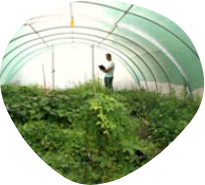 As soon as you place your order your plants are selected
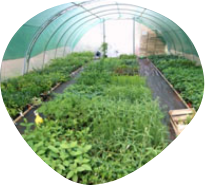 Each order is processed individually.
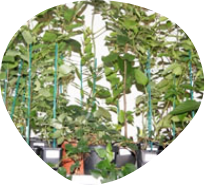 Plants are packed, staked and labeled.
 Packaging is carefully implemented to avoid any problems.
 Packages are ready to be shipped.