- Out of stock




Hardy Kiwi Vine Japsai, a self-fertile and highly resistant kiwifruit variety (down to -29°C) producing smooth, sweet fruit without peeling. Ideal for pergolas and small spaces.
Description
Actinidia arguta ‘Japsai’, commonly known as the hardy kiwi or Siberian kiwi, is an exceptional fruiting climber perfectly suited to small gardens. Unlike the classic kiwi (Actinidia deliciosa), ‘Japsai’ produces fruits with a smooth, hairless skin, allowing them to be eaten whole like berries, without peeling. This cultivar stands out for its self‑fertility, a rare and valuable trait that ensures abundant harvests from a single plant, eliminating the need for separate male and female plants. Nutritionally, its fruits are true health concentrates, significantly richer in vitamin C and antioxidants than the traditional kiwi. Its vigorous silhouette, carried by twining stems, makes it an excellent ornamental climber for covering a pergola, arbour or trellis, providing dense and attractive summer shade. Its remarkable hardiness, tolerating temperatures down to –29 °C, makes it the ideal fruiting vine for cold climates. Growing the Japsai hardy kiwi means combining the elegance of an exotic climber with the pleasure of harvesting sweet, flavourful “super‑fruits”.
The species originates from the temperate forests of East Asia, naturally thriving in Siberia, Korea and Japan. The ‘Japsai’ cultivar is a modern horticultural selection from Japanese lines, chosen for its heavy fruiting and exceptional cold resistance.
It belongs to the Actinidiaceae family, which includes vigorous climbing plants adapted to forest climates, capable of climbing natural supports to reach the light needed for flowering and fruit ripening.
Historically, these small fruits were harvested wild in Russian and Asian mountain regions. Its uniqueness lies in its extreme frost resistance, far superior to that of the common kiwi. It is a plant that combines wild robustness with domestic productivity.
As a vigorous climber, the Siberian kiwi can reach a height of 4 to 6 metres. Its vertical growth is rapid when provided with a strong support, allowing it to structure space in an airy and productive way.
Its lateral spread generally ranges from 3 to 5 metres. Thanks to its twining shoots, it efficiently covers horizontal space, forming a dense green curtain ideal for creating natural privacy screens.
It has a climbing, twining habit. Its flexible stems naturally coil around their support. Its lush structure requires a strong trellis to support the weight of the foliage and the generous fruit crop.
Young stems have smooth reddish‑brown bark dotted with pale lenticels. With age, the wood becomes more greyish and develops a slightly fibrous texture, a sign of its strong resistance to winter weather.
The foliage is deciduous and heart‑shaped. Leaves are dark green and glossy, with red‑tinted petioles. In autumn, they turn a bright golden yellow, offering a final decorative display before falling.
Its growth rate is very fast. Once established, it can produce several metres of new shoots in a single season, quickly covering a garden structure or fence.
The ‘Japsai’ hardy kiwi is extremely frost‑resistant, tolerating temperatures from –25 to –29 °C. This exceptional hardiness allows cultivation in almost all climatic regions.
Flowering occurs in June. This late start is a major advantage, as it avoids spring frosts that could damage flower buds, ensuring reliable harvests each year.
The small flowers appear in leaf axils. Cream‑white with contrasting purple anthers, they release a sweet fragrance. Though discreet, they are essential and produce nectar highly appreciated by insects.
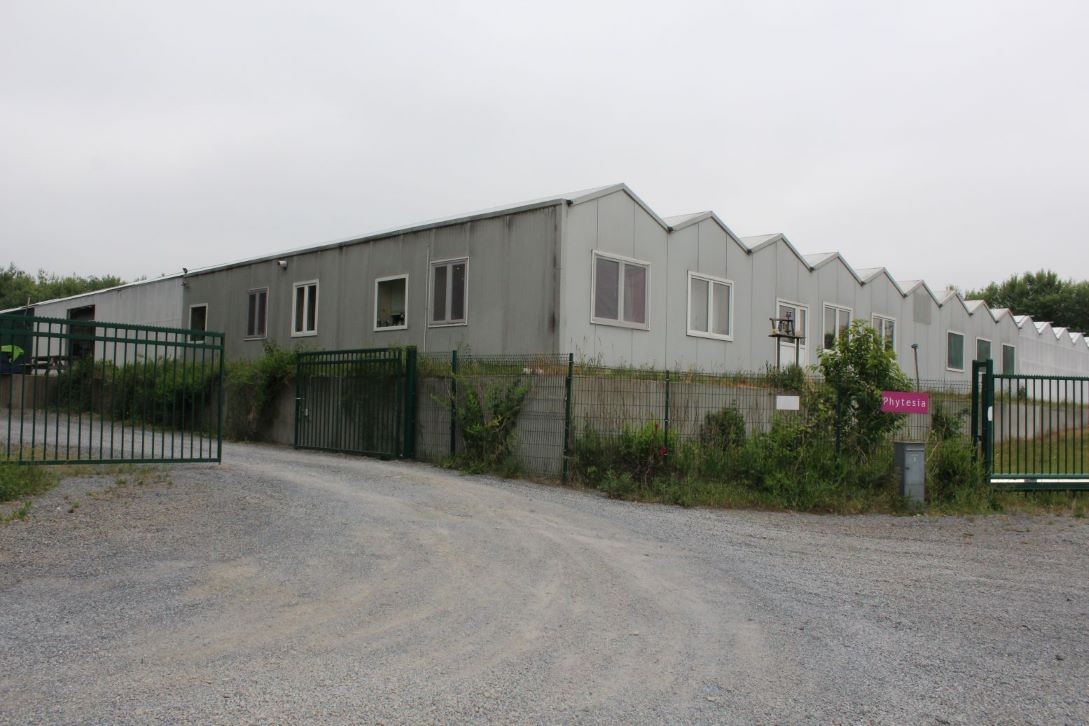
The fruits are oblong berries the size of a large cherry (2–3 cm). The green skin is smooth and edible. The flesh is tender and extremely sweet. Being self‑fertile, it requires no additional pollinator. Cross-pollination with other males (Weima) or self-fertile (Issai) varieties increases yield. Harvest in September.
It is a very nectar‑rich plant. Its spring flowering attracts many bees and bumblebees. In autumn, unharvested fruits provide valuable energy for birds before winter.
It thrives best in a sunny position. Adequate warmth is needed to concentrate sugars in the fruit. In southern regions, partial shade helps prevent water stress.
It prefers rich, humus‑rich and well‑drained soil. Excessively calcareous soils may cause leaf yellowing. A soil that remains fresh in summer is essential for quality fruiting.
Prepare a wide and deep planting hole. Incorporate plenty of well‑decomposed compost to enrich the soil. If your soil is too alkaline, adding ericaceous compost can be beneficial.
If planting several vines, leave 2.5 to 3 metres between plants to avoid competition and ensure good air circulation.
The soil should be loamy or clay‑loam, able to retain moisture without stagnation. Good drainage is essential to protect the fleshy roots from winter rot.
Soak the root ball, place it in the centre of the hole without burying the collar, and mulch immediately with bark or straw to maintain soil moisture.
Generous and regular watering is vital during the first two seasons. The hardy kiwi loses a lot of water through its large leaves. Keeping the soil moist ensures rapid establishment and vigorous future growth.
During fruit formation in July and August, monitor watering carefully. Water stress may cause premature fruit drop. Mulching remains the best way to protect the shallow roots.
Main pruning is done in winter, outside frost periods. Lateral branches that have fruited should be cut back to two or three buds. Summer pruning helps control vigour and expose fruits to sunlight.
Propagation is mainly done by semi‑ripe cuttings or layering. Sowing is not recommended, as it does not guarantee the preservation of key traits such as self‑fertility and the exceptional flavour of the ‘Japsai’ cultivar.
Plant it against a south‑facing wall, on a pergola or along a strong fence. It is perfect for creating a productive vertical orchard where ground space is limited.
It pairs well with small fruit shrubs such as currants or with ericaceous plants at its base. Marigolds help attract pollinators during flowering.
In Asia, wild hardy kiwi fruits have been consumed for centuries for their tonic and revitalising properties. Today they are prized in gastronomy for their decorative appearance and concentrated flavour reminiscent of honey and lychee.
The hardy kiwi is generally very resistant. Watch for aphids on young spring shoots.
Encourage ladybirds to control aphids. Protect young roots from rodents with a fine mesh guard. Good drainage prevents most root diseases.
Apply an organic fruit fertiliser in spring to support production. Ensure the support structure is strong, as the combined weight of foliage and fruit becomes considerable by late season.
The Japsai hardy kiwi is ideal for small gardens and pergolas. Self‑fertile, extremely hardy (–29 °C), fast‑growing and rich in vitamins, it is the perfect “superfruit” for a productive and delicious garden.
Shipping & delivery
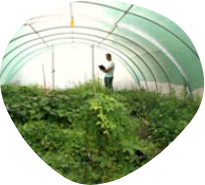 As soon as you place your order your plants are selected
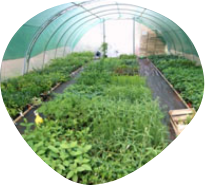 Each order is processed individually.
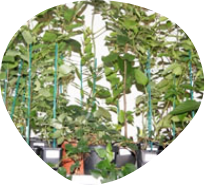 Plants are packed, staked and labeled.
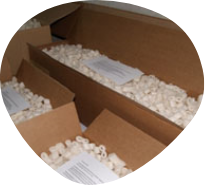 Packaging is carefully implemented to avoid any problems.
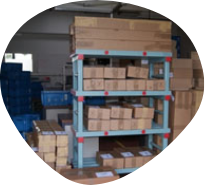 Packages are ready to be shipped.
Expédition de nos plantes dans toute l'Europe (sauf en outre mer et les îles).
Avis clients


Hardy Kiwi Vine Japsai, a self-fertile and highly resistant kiwifruit variety (down to -29°C) producing smooth, sweet fruit without peeling. Ideal for pergolas and small spaces.
Your cart is empty
Continue shopping