- Pickup at nursery



The Blackcurrant Andega (Ribes nigrum ‘Andega’) is a modern, self-fertile variety producing early, aromatic berries with high yields and natural resistance to powdery mildew.
Description
The Blackcurrant Andega is a modern cultivar bred to combine high yields, excellent flavour, and natural resistance to powdery mildew. It is a hardy, self-fertile shrub that produces abundant clusters of glossy black berries with a tangy, aromatic taste. Its early ripening makes it particularly attractive for gardeners who want to enjoy fresh fruit as early as late June.
The Andega variety was developed in France as part of breeding programmes aimed at improving the resilience and productivity of blackcurrants. Derived from Ribes nigrum, a species native to Europe and northern Asia, Andega was selected for its ability to thrive in diverse climates and its suitability for both home gardens and small-scale production. The shrub has a compact, bushy growth habit, reaching about 1.2 to 1.5 metres in height. Its bright green, lobed leaves release a distinctive aromatic scent when crushed, a hallmark of blackcurrants and a sign of their richness in essential oils. Exceptionally hardy, Andega withstands winter temperatures well below –20 °C without losing vigour. Another major advantage is its self-fertility: a single plant is enough to ensure a generous harvest, although planting alongside other varieties can further enhance fruit set.
Flowering occurs in spring, usually in April, when the shrub produces small, greenish flower clusters along the previous year’s shoots. Though not showy, these flowers are nectar-rich and attract bees and other pollinators, contributing to biodiversity in the garden. Thanks to its self-fertility, Andega reliably produces fruit even when grown alone, making it a dependable choice for amateur gardeners.
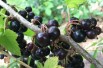
The fruits ripen early, typically from late June onwards. They form in compact clusters of round, shiny black berries, medium to large in size. Their flavour is intense, tangy, and aromatic, making them ideal for fresh eating as well as for processing into jams, syrups, jellies, and the famous crème de cassis. Nutritionally, the berries are a powerhouse, packed with vitamin C, anthocyanins, and antioxidants that support health and vitality.
Andega thrives best in sunny or partially shaded locations. It prefers deep, humus-rich, and slightly moist soils, but it can also tolerate heavier soils provided they are well-drained. Mulching around the base helps retain soil moisture during dry summers.
The best time to plant is in autumn, allowing the shrub to establish strong roots before winter. Spring planting is also possible. Space plants 1.2 to 1.5 metres apart, and set them slightly deeper than the crown to encourage new shoot growth.
Regular watering is essential during the first year to support root development. Mature plants have moderate water needs but benefit from consistently moist soil. In dry periods, mulching and supplemental watering are recommended.
Pruning is carried out in winter, outside of frost periods. Remove branches older than three years and retain 8 to 10 vigorous shoots of varying ages. This renewal system ensures that young wood, which is the most productive, dominates the shrub.
Andega is easily propagated by hardwood cuttings taken in winter or by layering in spring. Both methods are reliable and widely used by gardeners.
The berries of Andega are versatile: they can be eaten fresh, turned into jams, syrups, and desserts, or used to make the renowned crème de cassis. Their high vitamin C and antioxidant content also make them a valuable addition to a healthy diet. In the garden, the shrub can be grown in fruit borders, mixed hedges, or as a stand-alone specimen in edible landscapes.
One of Andega’s greatest strengths is its natural resistance to powdery mildew, a common problem in traditional blackcurrant varieties. While it may occasionally be affected by aphids or rust, good air circulation and regular pruning keep these issues under control.
Plant Andega in fertile, moist but well-drained soil, mulch to conserve water, and prune annually to renew growth. With minimal care, it will reward you with abundant harvests for many years.
The Blackcurrant Andega (Ribes nigrum ‘Andega’) is a modern variety that combines productivity, flavour, and resilience. This self-fertile shrub produces glossy black berries from late June, rich in vitamin C and antioxidants. Its natural resistance to powdery mildew makes it a reliable choice for gardeners seeking a low-maintenance yet rewarding fruit bush. Hardy down to –20 °C, Andega adapts well to different soils and climates, thriving in both home gardens and small orchards. Its spring flowers attract pollinators, while its early harvest provides fruit for fresh eating, preserves, and the famous crème de cassis. With simple care – regular watering in dry spells, mulching, and annual pruning – Andega remains productive for many years. Whether planted in a fruit border, a mixed hedge, or as a stand-alone shrub, the Blackcurrant Andega is a sustainable and delicious addition to any garden, combining ornamental appeal with nutritional value
Shipping & delivery
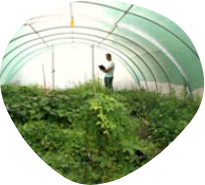 As soon as you place your order your plants are selected
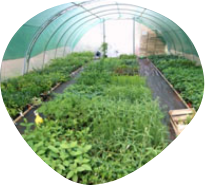 Each order is processed individually.
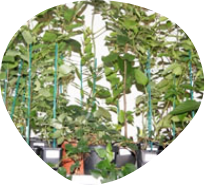 Plants are packed, staked and labeled.
 Packaging is carefully implemented to avoid any problems.
 Packages are ready to be shipped.
Expédition de nos plantes dans toute l'Europe (sauf en outre mer et les îles).
Avis clients


The Blackcurrant Andega (Ribes nigrum ‘Andega’) is a modern, self-fertile variety producing early, aromatic berries with high yields and natural resistance to powdery mildew.
Your cart is empty
Continue shopping