- New
- In cultivation




Strawberry Tree Walter, a unique evergreen shrub for its large tasty red fruits and its upright habit ideal for hedges. Very productive and hardy, it brings a Mediterranean and gourmet touch to your garden all year round.
Description
The Arbutus unedo 'Walter' is an exceptional fruit-bearing and ornamental shrub, particularly valued for its generous productivity and the superior quality of its fruit compared to the standard species. This cultivar is distinguished by a more upright and contained development, reaching a height of 3 to 4 metres with a width spreading between 1 and 1.5 metres. This columnar silhouette makes it an ideal choice for urban gardens or evergreen privacy hedges. Its major interest lies in its dual autumn display: it simultaneously bears clusters of bell-shaped flowers in pure white and fleshy fruits, the arbutus berries, which turn bright red. Its glossy foliage remains dense throughout the year, providing a permanent structure to the landscape. It is a robust plant, capable of adapting to drought conditions once established, while adding a Mediterranean and gourmet touch. The 'Walter' variety is specifically selected for those seeking an abundant harvest of larger and tastier fruit, transforming a simple grove into a real autumn picking space.
The original species is native to the Mediterranean basin and extends to the French and Irish Atlantic coasts. The 'Walter' cultivar is a more recent horticultural selection, stabilized for its vertical vigour and improved fruiting capabilities, meeting the needs of gardeners wishing to combine aesthetics and fruit production.
This plant belongs to the Ericaceae family, much like heathers and rhododendrons. This kinship explains its preference for well-drained environments and its characteristic flower structure in the shape of an inverted urn, typical of plants in this vast botanical family.
The strawberry tree is nicknamed "strawberry tree" due to the grainy appearance of its fruits. A remarkable botanical singularity is its maturation cycle: the fruits take a year to ripen, which allows the unique cohabitation of the flowers of the year and the fruits born from the previous flowering.
At maturity, the Strawberry Tree 'Walter' reaches a stature between 3 and 4 metres. This vertical development is superior to dwarf varieties, allowing it to impose itself as a structuring element of the garden, capable of masking an annoying view or serving as an imposing border background.
Its width remains moderate, oscillating between 1 and 1.5 metres, which gives it a narrower habit than the type species. This lateral compactness is a major asset for small spaces or for planting in a tight line, preventing the shrub from becoming too cumbersome over the years.
It presents an upright and bushy habit, with dense branching from the base of the plant. Its natural shape tends towards a wide column or an inverted cone, which gives it an elegant and architectural look without requiring too frequent corrective pruning to maintain its volume.
The bark is one of its most beautiful winter assets, displaying very marked reddish-brown tones. It has the particularity of exfoliating naturally, revealing lighter areas underneath, which brings a fascinating visual texture and a warm colour to the garden during the dullest months.
The foliage is evergreen, leathery and glossy, composed of oval leaves with finely serrated edges. Deep dark green, the leaves catch the light and do not undergo marked seasonal changes, ensuring a constant plant presence and an effective protective screen against wind and eyes.
Its growth rate is considered medium, which allows the shrub to establish itself sustainably without becoming invasive. It takes the time to build a solid structure and a powerful root system, guaranteeing exceptional longevity and increased resistance to climate fluctuations.
The Strawberry Tree 'Walter' shows good resistance to cold, withstanding temperatures down to -12°C in perfectly drained soil. However, it appreciates being sheltered from icy winter winds, especially during its first growth years after planting in the open ground.
The flowering period is autumnal, generally extending from October to December. This is a precious late flowering, as it occurs at the time when most other plants enter rest, thus prolonging the decorative interest and the biological life of the garden just before the great cold.
The flowers appear in the form of drooping panicles composed of small white bells, sometimes tinged with pink. They look like lily-of-the-valley bells and give off a light, sweet scent. These flowers are carried at the end of the branches, well showcased by the dark green of the foliage.
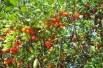
The fruits, the arbutus berries, are fleshy berries of large size for this cultivar, with a rough skin turning from yellow to orange and then to bright red. Their flesh is yellow, mealy and sweet. They are rich in vitamin C. Pollination is ensured by wind and insects, requiring no other variety.
This plant is a crucial melliferous source for bees and bumblebees looking for nectar at the end of the season. The large red fruits are a boon for birds, notably thrushes and blackbirds, which feed abundantly on them at the beginning of winter when food is scarce.
It flourishes fully under a sunny and warm exposure, essential to guarantee optimal fruit maturation and a generous flowering. It tolerates partial shade in the most southern regions, but it is in full sun that its habit remains the most compact and its foliage the most brilliant.
The Strawberry Tree 'Walter' prefers well-drained, light and deep soils. Although it supports a slight presence of limestone, it has a preference for neutral to acidic soils. It fears heavy lands where water stagnates, which could cause the asphyxiation of its sensitive roots.
Work the soil deeply to loosen it. If your soil is clayey, do not hesitate to bring river sand or gravel to improve the water and air circulation.
For an effective and harmonious privacy hedge, provide a spacing of about 1 metre between each plant. This allows each shrub to develop correctly in width without suffocating each other, while ensuring a rapid junction of the foliage to obtain a total and permanent screen.
The soil must be of a draining and humiferous nature. An intake of leaf mould or well-decomposed compost is beneficial. The Strawberry Tree 'Walter' appreciates environments that are rather dry or cool, but never waterlogged, which perfectly matches its temperament as a shrub of Mediterranean origin.
Soak the root ball in water until there are no more bubbles. Dig a hole twice as wide as the pot. Install the shrub, fill with a mixture of soil and compost, then tamp lightly. Copious watering is necessary to ensure contact between the roots and the soil.
Just after planting, regular and followed watering is imperative to help the plant settle, especially for plants put in the ground outside autumn. One must ensure that the root ball never dries out completely during the first months, while avoiding excess water.
Once adult and well-rooted, the Strawberry Tree 'Walter' becomes very drought resistant. It will only need top-up watering in case of prolonged heatwave to preserve the quality of its fruiting. Its deep root system allows it to fetch the moisture necessary for its survival.
Pruning is ideally practiced in the spring, after the last frosts. It consists of removing dead wood and balancing the silhouette. For this 'Walter' cultivar with an upright habit, a light pruning is sufficient to maintain its density. One can pinch the young shoots to encourage branching.
Multiplication is mainly carried out by semi-woody cuttings at the end of summer or by layering. Sowing is possible but longer and does not always guarantee to keep the exact characteristics of the 'Walter' variety, notably the exceptional size of its fruits and its productivity.
Its ideal location is at the back of a border or in an informal hedge along a property line. Its tolerance for cultivation in large containers also allows it to be installed on a spacious terrace, where it will serve as a natural windbreak while offering its fruits within reach.
It associates perfectly with ericaceous plants or Mediterranean species. It will be planted with Lavenders, Rosemary or Cistus. For a contrast of colours, associating it with Oleanders or Escallonias creates a persistent and floriferous harmony that is quite charming.
Historically, arbutus berries were consumed in jams or transformed into liqueurs and brandies. The wood of the strawberry tree, very hard, was formerly used for small cabinetry and turning. The leaves, rich in tannins, had medicinal uses for their astringent properties.
The strawberry tree is generally healthy, but it can sometimes be subject to septoria, a fungus causing brown spots on the leaves, especially in case of stagnant humidity. Aphids can also attack young spring shoots, but the damage remains generally limited and easy to manage.
The best prevention consists of ensuring a perfect drainage and a good air circulation between the branches. In case of fungus attack, a treatment based on sodium bicarbonate or horsetail decoction is effective. Ladybug larvae will naturally regulate any aphid populations.
For optimal development, mulch the foot with pine bark to maintain a slight acidity and to limit the competition of undesirable weeds. An application of organic fertiliser in the spring will stimulate flowering and help the tree produce its characteristic large fruits.
The 'Walter' cultivar stands out radically from the type species and dwarf varieties by its vigour and its superior fruit production. Where the wild strawberry tree can have a messy habit, 'Walter' remains disciplined and upright. Its ability to produce larger fruits and in greater numbers makes it the preferred variety for fruit harvest enthusiasts. Its adult height of 3 to 4 metres is also a sought-after specificity for those who need a high but narrow green screen, thus offering a unique architectural solution to the garden.
The Strawberry Tree Walter (Arbutus unedo 'Walter') is an essential evergreen shrub, combining aesthetics and gourmet delight. Its major assets are its upright habit of 3 to 4 m, perfect for hedges, and its exceptional productivity in red and tasty arbutus berries. On an ecological level, it is a precious source of autumn nectar for pollinators. Its dense foliage glossy green and its decorative bark guarantee a permanent visual interest. Easy to grow and hardy down to -12°C, it adapts to dry gardens and terrace containers. Choosing the 'Walter' cultivar means opting for a durable, resistant and generous plant, optimizing space thanks to its contained width while offering harvests of larger-than-average fruit.
Shipping & delivery
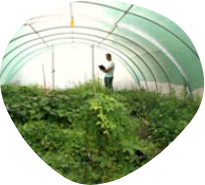 As soon as you place your order your plants are selected
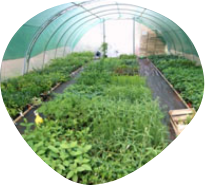 Each order is processed individually.
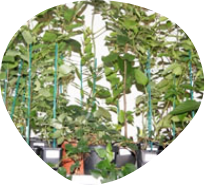 Plants are packed, staked and labeled.
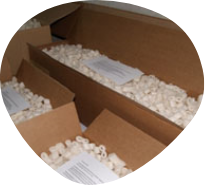 Packaging is carefully implemented to avoid any problems.
 Packages are ready to be shipped.
We ship our plants throughout Europe (excluding overseas territories and islands).
Avis clients


Strawberry Tree Walter, a unique evergreen shrub for its large tasty red fruits and its upright habit ideal for hedges. Very productive and hardy, it brings a Mediterranean and gourmet touch to your garden all year round.
Your cart is empty
Continue shopping