- New
- Pickup at nursery



Discover the Rubis Walnut, the exceptional tree with red-kerneled nuts: a gourmet, colorful harvest and fast fruiting for your garden.
Description
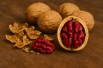
The 'Rubis' English Walnut is a rare botanical curiosity of great elegance, combining generous productivity with an extraordinary gastronomic aesthetic. Unlike classic walnuts, this cultivar stands out for its kernels coated in a bright crimson-red skin, which remains vivid even after drying, offering a striking visual contrast in culinary preparations. This fruit tree is not just a walnut producer; it is a true landscape asset that adds a touch of originality and nobility to the garden thanks to its structured habit and dense foliage. Its fruiting is remarkably faster than that of seedling varieties, allowing gardeners to harvest their first red walnuts just a few years after planting. In addition to its beauty, the 'Rubis' variety is appreciated for the exceptional sweetness of its fruits, whose red skin is devoid of the bitterness sometimes found in traditional walnuts. It is a strong, hardy, and self-fertile tree, making it an ideal choice for medium-sized gardens where only one specimen can be planted. Investing in a 'Rubis' walnut means choosing the excellence of an elite variety that will delight both the eyes and the taste buds of gourmets and biodiversity enthusiasts.
The 'Rubis' cultivar stems from rigorous selections carried out in Central Europe, a region historically rich in walnut varieties with colored kernels. These red forms, although rare, occur naturally in certain populations of wild walnuts and have been stabilized by passionate nurserymen for their superior organoleptic qualities. Its robustness reflects its continental origins, allowing it to adapt to a wide range of temperate climates.
It belongs to the Juglandaceae family, a group of woody plants that also includes hickories and pecans. The genus Juglans is famous for its production of precious timber and its highly energetic oilseeds. Like its relatives, the 'Rubis' walnut produces juglone, a biochemical substance that influences microbial life in the surrounding soil.
Historically, red-kerneled walnuts were considered luxury fruits, reserved for noble tables for their rarity and chromatic symbolism. Botanically, the red coloration is due to a high concentration of anthocyanins, powerful natural antioxidants that enhance the fruit's nutritional value. This genetic singularity does not affect the tree's vigor, which remains as solid as blonde-kerneled varieties.
Although walnuts can reach large dimensions, our low-stem grafted specimens allow for a more moderate height, facilitating maintenance. At maturity, 'Rubis' typically reaches between 8 and 10 meters, depending on soil richness and exposure conditions. This contained size compared to forest varieties makes it an excellent candidate for modern family orchards.
Its crown spread is approximately 5 to 6 meters in diameter, forming a harmonious and compact ball. Its lateral deployment is regular, allowing for precise planning of its footprint during landscape design. It thus offers a dense and circular shade zone, ideal for creating a natural resting corner.
The 'Rubis' walnut's habit is rounded and balanced, with solid branching from the base of the trunk. Its silhouette is majestic and structured, typical of noble trees that gain character with passing years. In winter, the structure of its bare branches draws highly decorative graphic shapes against the sky.
The bark is a bright silvery gray, remaining smooth and soft to the touch during the tree's first years of growth. Over time, it develops deep longitudinal furrows and rough ridges that give it a venerable and powerful appearance. This thick bark plays an essential protective role against sudden thermal variations and external stresses.
The foliage is composed of large pinnate and deciduous leaves, a deep green that emits a powerful aromatic odor when crushed. The leaflets are wide and dense, ensuring efficient photosynthesis for the production of sugars needed for fruit quality. In autumn, the leaves turn golden brown, bringing a final warm touch to the garden before falling.
The growth of this cultivar is considered moderate, prioritizing the formation of dense, resistant wood over excessive shoot elongation. Early fruiting is one of its major assets, as the tree starts producing its first red walnuts much earlier than classic varieties. It is a tree that establishes itself sustainably to span generations.
The 'Rubis' walnut demonstrates excellent hardiness, easily withstanding temperatures dropping to -25°C. It is perfectly adapted to Western and Northern European climates, resisting long winters well. However, as with all walnuts, it is advisable to protect it from freezing north winds during its first two winters.
Flowering generally occurs in May, allowing the tree to escape most late spring frosts. This seasonal timing is a key factor in ensuring regular production year after year. The flowers bloom discreetly, marking the beginning of the formation of future red walnuts.
Male flowers appear as greenish-yellow hanging catkins that release abundant wind-borne pollen. Female flowers are small, discreet structures located at the ends of the current year's shoots. While visually unspectacular, this flowering is essential for the ecological balance of your green space.
The fruits are medium-sized walnuts, protected by a green husk that opens naturally upon maturity in September or October. The bright red kernel is the signature of this variety: it has a crunchy texture and a mild, slightly sweet flavor, with a total absence of bitterness. Production is regular, avoiding the alternate bearing phenomenon often seen in common walnuts.
The 'Rubis' walnut is a self-fertile variety, meaning a single tree is capable of producing fruit autonomously. It is therefore not necessary to have another walnut tree nearby for a harvest. However, the presence of another Juglans regia cultivar in the vicinity may slightly increase the final yield through cross-pollination.
Although pollination is anemophilous (by wind), the tree provides a precious habitat for many beneficial insects and birds. Squirrels are particularly fond of its nutritious nuts, sometimes participating in the natural dispersal of seeds. In winter, its wood and bark offer a safe refuge for small garden fauna.
To express its full potential and guarantee the intense coloration of its kernels, the 'Rubis' walnut requires full sun. Maximum light promotes the synthesis of red pigments and ensures optimal fruit ripening before the first cold spells. It also appreciates an open situation that allows good air circulation around its foliage.
It is crucial to prepare the soil deeply, ideally to 80 cm, to allow the taproot to descend without hindrance. An addition of well-decomposed compost or mature organic matter will enrich the earth and improve its structure. Since we provide pot-grown plants, planting is possible all year round, provided periods of intense frost or extreme heat are avoided.
If you wish to create a small orchard, respect a distance of 6 to 8 meters between each plant to allow harmonious crown development. This spacing prevents competition for nutrients and ensures each branch receives the light necessary for fruiting. In isolation, provide a free radius of 4 meters around the trunk to highlight its silhouette.
The 'Rubis' walnut prefers deep, fertile, and well-drained soils, with a preference for loamy or clay-limestone lands. It avoids overly shallow soils where moisture stagnates, as this could weaken its roots. A neutral or slightly calcareous soil suits it perfectly, promoting optimal mineral absorption for shell formation.
Dig a hole twice as wide as the root ball and install a solid stake facing the prevailing winds before placing the tree. Ensure the graft point remains well above ground level. Fill with a mixture of garden soil and quality potting soil, tamp lightly with your foot, and form a basin to facilitate watering.
During the first year following planting, regular watering is essential for establishment, at a rate of 20 to 30 liters per week in dry periods. The soil should remain fresh but never waterlogged, as excess water is the enemy of young walnut roots. Copious, spaced-out watering is preferable to frequent small waterings to encourage deep rooting.
Once established, the 'Rubis' walnut is fairly drought-resistant thanks to its deep root system. However, to guarantee good walnut size and prevent kernels from drying out, watering in July and August is highly recommended during heatwaves. A well-hydrated tree will produce fleshier and tastier red kernels.
Walnut pruning should be minimal and is ideally done in late summer or early autumn (September) to limit sap flow. Simply remove dead wood, crossing branches in the heart of the tree, and any suckers growing from the rootstock. Light formative pruning during the first years is sufficient to balance the tree's framework.
The multiplication of 'Rubis' walnut is done exclusively by grafting (often whip or shield grafting) onto a Juglans regia rootstock. This is the only method that guarantees the faithful transmission of the "red kernel" trait and early fruiting. Sowing red walnuts would give unpredictable results, with a high probability of returning to the classic blonde kernel.
Its ideal place is as a specimen in the middle of a lawn, where it will quickly become the garden's central element. It can also be integrated at the back of an orchard or along property boundaries to create a protective and productive green screen. Avoid planting too close to terraces, as falling autumn leaves and husks can stain light-colored paving.
You can plant juglone-tolerant plants at its base, such as Hostas, Hellebores, or spring bulbs (Daffodils, Muscari). Raspberries and currants also handle its light shade fairly well on the crown periphery. This low layer occupies the ground while benefiting from the microclimate created by the tree.
The red walnut was once used to naturally color certain culinary preparations or to create exceptional table oils. In cabinetry, walnut wood is prized for its fineness, and although 'Rubis' is planted for its fruit, it shares this noble wood quality. The kernels are now highly sought after by chefs for decorating gourmet salads or fine cheese platters.
'Rubis' walnut can sometimes be subject to anthracnose (brown spots on leaves) or bacterial blight if the spring is exceptionally humid. It may also attract codling moths, whose larvae feed on the kernel. However, its selection vigor makes it a generally more resistant variety than common seedlings.
Collecting and removing leaves and fruits fallen to the ground in autumn are the best sanitary prevention measures. Installing tit nesting boxes and bat houses promotes the presence of natural codling moth predators. A compost application at the base of the tree each autumn strengthens its natural immune defenses.
Maintain an organic mulch (bark, wood chips) at the base of the tree to conserve moisture and limit competition from tall grasses during the first three years. Avoid wounding the trunk with a lawnmower, as wounds on walnut bark heal slowly. Finally, be patient: although fruiting is fast, the tree reaches full production around 10 to 12 years of age.
'Rubis' stands out from other red-kerneled walnuts by its delicate flavor, where other red varieties can be more tannic. Its shell is relatively thin, allowing easy cracking without breaking the kernel, which is essential for fruit aesthetics. Its production regularity is also superior to many old local varieties.
The 'Rubis' English Walnut (Juglans regia 'Rubis') is an exceptional fruit variety, famous for its nuts with bright crimson-red kernels. This self-fertile and very hardy cultivar offers fast fruiting and regular production of mild, crunchy walnuts without bitterness. Ideal as a specimen shade tree, it combines a noble aesthetic with a gourmet and original harvest for any garden.
Shipping & delivery
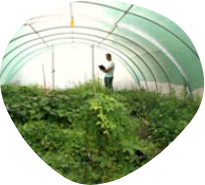 As soon as you place your order your plants are selected
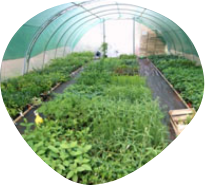 Each order is processed individually.
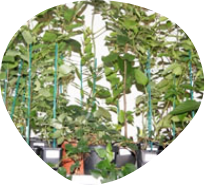 Plants are packed, staked and labeled.
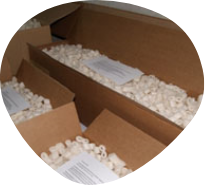 Packaging is carefully implemented to avoid any problems.
 Packages are ready to be shipped.
Expédition de nos plantes dans toute l'Europe (sauf en outre mer et les îles).
Avis clients


Discover the Rubis Walnut, the exceptional tree with red-kerneled nuts: a gourmet, colorful harvest and fast fruiting for your garden.
Your cart is empty
Continue shopping