- New




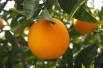
Washington Navel orange tree with sweet, seedless fruits and thin peel. Evergreen, fragrant spring bloom and winter harvest. Ideal for pots or mild climates, hardy to –5 °C.
Description
The Orange Tree Washington Navel is one of the most appreciated citrus varieties thanks to its sweet, aromatic, seedless fruits with a smooth, thin peel. Its compact, rounded shape and glossy evergreen foliage make it a highly decorative tree for terraces, patios and winter gardens. In March and April, it produces intensely fragrant white blossoms that fill the air with a classic citrus scent. This variety is known for its reliability, early productivity and excellent fruit quality. It is particularly well suited to container growing, where it can be easily protected during winter.
The Washington Navel originated in Brazil before becoming widely cultivated in California, where it gained international recognition. It was selected for its exceptional flavour, ease of peeling and seedless flesh. Today, it is one of the most cultivated orange varieties in warm and Mediterranean climates.
Rutaceae
This variety is easily recognised by its characteristic navel at the base of the fruit, typical of Navel oranges. It produces large, juicy fruits with a rich aroma and excellent eating quality. Its spring blossom is among the most fragrant of all citrus trees.
The tree reaches around 2.50 m, making it ideal for pots or small gardens. Its growth is moderate and easy to manage. Even without heavy pruning, it maintains a balanced and elegant shape.
Its width is about 2 m, forming a dense, rounded crown. This compact silhouette is perfect for terraces and sheltered outdoor spaces. The evergreen foliage ensures year‑round ornamental value.
The habit is rounded and slightly spreading, with well‑branched, sturdy limbs. The glossy leaves enhance its Mediterranean appearance. The tree naturally keeps a harmonious structure.
The foliage is evergreen, dark green, leathery and aromatic when crushed. It withstands sun, wind and heat well. The leaves remain attractive throughout the year.
Growth is moderate, making the tree easy to maintain in containers. It often begins fruiting at a young age. Regular feeding significantly improves yield.
The Washington Navel tolerates down to –5 °C, but must be protected or overwintered in colder regions. Below this threshold, leaves and young shoots may be damaged. In pots, it must be kept in a bright, frost‑free location during winter.
Flowering occurs in March and April, producing abundant, highly fragrant white blossoms. A strong bloom usually indicates a good fruit set. The scent is especially pleasant near living areas.
The flowers are white, star‑shaped and grouped in small clusters. They release a powerful citrus fragrance. They attract bees and other pollinators.
The fruits are large round oranges with a thin, smooth peel that is easy to remove. The flesh is sweet, juicy, aromatic and completely seedless, making it ideal for fresh eating. The bright orange colour is very decorative on the tree.
Harvest takes place from December to March, depending on climate. The fruits can remain on the tree for a long time without losing quality. They store well after picking.
The tree requires full sun, essential for abundant flowering and fruiting. A warm, sheltered location is ideal. Indoors, place it near a very bright window.
It prefers acidic to neutral, light, fertile and well‑drained soil. Calcareous soil may cause chlorosis. In pots, use a citrus‑specific substrate.
Loosen the soil and add compost or citrus potting mix. Ensure excellent drainage. In pots, add a layer of clay pebbles at the bottom.
In the ground, allow 2.5 to 3 m between trees. In pots, choose a container of 40–60 L. Repot every 2–3 years.
Plant at the same depth as in the pot, water thoroughly and mulch the base. In pots, water more frequently. Protect from cold starting in autumn.
Water regularly to maintain consistent moisture. The soil should stay fresh but not waterlogged. Mulch helps retain moisture.
Water regularly in summer, less in winter. Excess water may cause leaf drop. In pots, check for faster drying.
Prune lightly after harvest or in spring. Remove dead wood and open the centre of the tree. Avoid heavy pruning, which reduces fruiting.
The Washington Navel is propagated mainly by grafting to preserve its characteristics. This plant is grafted onto Citrus volkameriana
Seed propagation does not produce identical trees. Layering is possible but slow.
Perfect for containers, terraces, winter gardens or in the ground in mild climates. Its evergreen foliage provides a Mediterranean touch. It is ideal for small spaces.
Pairs well with :
May be sensitive to scale insects, whiteflies and spider mites. Excess moisture can cause root diseases. Chlorosis appears in calcareous soils.
Water moderately, fertilise regularly and monitor pests. Use black soap or horticultural oil if needed. Protect from frost.
Place in full sun, water regularly in summer and overwinter in frost‑free conditions. Feed with citrus fertiliser in spring and summer. Rotate the pot regularly for even growth.
The Washington Navel stands out for its seedless fruits, thin peel, strong aroma and winter harvest. It is one of the best varieties for fresh consumption. Its fragrant spring bloom adds ornamental value.
Grafted onto Citrus Volkameriana rootstock
Shipping & delivery
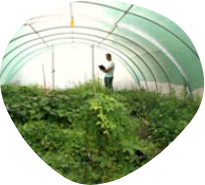 As soon as you place your order your plants are selected
 Each order is processed individually.
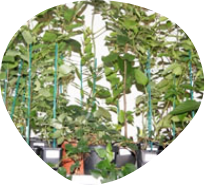 Plants are packed, staked and labeled.
 Packaging is carefully implemented to avoid any problems.
 Packages are ready to be shipped.
Expédition de nos plantes dans toute l'Europe (sauf en outre mer et les îles).
Avis clients


Washington Navel orange tree with sweet, seedless fruits and thin peel. Evergreen, fragrant spring bloom and winter harvest. Ideal for pots or mild climates, hardy to –5 °C.
Your cart is empty
Continue shopping