- novelty
- Pick up on site
- Pick up on site


Description
The Walnut ‘Chandler’ is one of the most renowned cultivars worldwide thanks to its high and consistent yield, early fruiting, and excellent nut quality. Its large nuts with thin shells and light kernels make it highly appreciated by both commercial growers and home gardeners. Its naturally open growth habit improves sunlight penetration, enhancing fruit production. ‘Chandler’ is also known for its good resistance to diseases, particularly bacterial blight. With moderate vigor and strong lateral fruiting, it produces higher yields than traditional varieties. This cultivar combines productivity, flavor quality and reliability.
‘Chandler’ was developed in the 1970s at the University of California. It results from breeding programs aimed at improving yield, disease resistance and adaptability to temperate climates. Today, it is widely cultivated in many walnut‑producing regions.
Juglandaceae.
‘Chandler’ is known for its high lateral fruiting, which significantly increases yield. Its nuts have a light, flavourful kernel highly valued on the market. The cultivar also shows good disease tolerance.
‘Chandler’ forms a medium‑sized tree with an open, well‑structured crown. Its large, light‑green compound leaves provide pleasant summer shade. The tree begins producing early, often from the fourth or fifth year.
Mature height : 8 to 12 m
Mature spread : 6 to 8 m
Habit : Upright then spreading
Bark : Grey, fissured with age
Foliage : Deciduous, light green, large leaflets
Growth : Moderate
Hardiness : –20 °C to –25 °C
Flowering occurs in April and is relatively late, reducing frost risk. Male and female flowers appear separately on the same tree. Pollination is wind‑driven.
Male catkins are yellowish and pendulous, while female flowers are small and discreet. They appear at the tips of young shoots. The flowering is subtle but essential for fruit set.
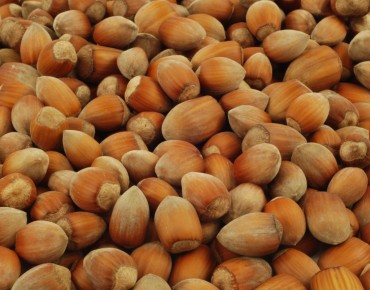
‘Chandler’ produces large nuts with thin shells and light, tasty kernels. Harvest takes place in September or October depending on the region. The nuts crack easily and are highly appreciated for consumption.
‘Chandler’ is partially self‑fertile, but yields significantly improve when paired with a compatible pollinizer. The best partners are Ronde de Montignac, Franquette, or Fernette, which match its flowering period. Planting one of these cultivars nearby greatly enhances fruit set and overall production.
Full sun is essential for good nut production. The tree thrives in warm summers and temperate climates. A bright location improves nut formation.
Deep, fertile and well‑drained soil. Avoid compact or waterlogged soils. Slightly calcareous soils are tolerated.
Loosen the soil deeply to support taproot development. Add mature compost without excess. Ensure good drainage.
8 to 10 m between trees. This allows optimal crown development. It also facilitates harvesting.
Fresh, deep, fertile and well drained. Slightly calcareous soils are suitable. Avoid heavy clay.
Dig a wide and deep hole. Place the root ball at soil level, backfill and water thoroughly. Mulch to retain moisture.
Regular watering to keep the soil fresh. This helps the tree establish well. Mulching is recommended.
Moderate; the tree tolerates drought but produces better with slightly moist soil. Occasional watering in summer can improve nut size. Avoid excess water.
Prune in winter to shape the structure and remove dead wood. Avoid heavy pruning, as walnut trees heal slowly. An open crown improves fruiting.
Grafting onto seedling rootstock to preserve cultivar traits. Seed propagation does not reproduce ‘Chandler’ true to type. Cuttings are rarely used.
Large gardens, family orchards, sunny and open spaces. The tree provides pleasant shade in summer. Also suitable as a specimen tree.
Almond, quince, fig, grapevine. Avoid plants sensitive to juglone. Prefer tolerant species.
Walnuts are eaten fresh, dried or processed. Walnut wood is highly valued in fine woodworking. The tree symbolizes longevity in some cultures.
‘Chandler’ is fairly resistant but may be sensitive to bacterial diseases in humid conditions. Young trees may attract aphids. Late frosts can damage flowering.
Maintain good air circulation. Avoid overwatering. Use black soap in case of aphids.
Plant in full sun in deep, fertile soil. Water regularly during the first years. Keep the soil around the trunk free of competition.
‘Chandler’ stands out for its high lateral fruiting, early production and large, light kernels. Its nut quality is particularly appreciated. It is one of the most reliable cultivars for temperate climates.
Expédition & livraison
 As soon as you place your order your plants are selected
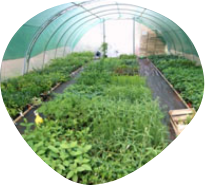 Each order is processed individually.
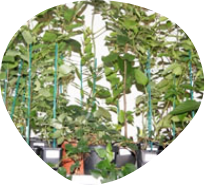 Plants are packed, staked and labeled.
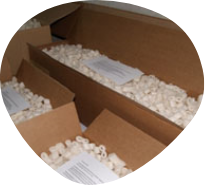 Packaging is carefully implemented to avoid any problems.
 Packages are ready to be shipped.
Customer reviews