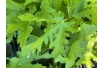
- In cultivation




‘Ice Crystal’ fig tree: ornamental fig with deeply cut foliage resembling ice crystals, hardy to –15 °C, self‑fertile and productive, ideal as a specimen or in pots to bring a graphic accent and delicious figs to any garden.
Description
The ‘Ice Crystal’ fig tree is an exceptional cultivar that immediately stands out thanks to its deeply cut, lace‑like foliage, reminiscent of ice crystals and giving the plant a sculptural, almost ethereal appearance. This variety combines rare ornamental value with real productivity, as it is self‑fertile and produces delicious figs without the need for pollination. Its light, graphic silhouette catches the eye instantly, especially when sunlight filters through its finely lobed leaves. Despite its delicate appearance, it is a very resilient fig tree, capable of withstanding difficult conditions while maintaining steady growth. Its naturally compact size makes it ideal for small gardens, terraces, or modern landscapes where a decorative yet easy‑to‑grow fruit tree is desired.
The ‘Ice Crystal’ cultivar originates from European horticultural selections, likely from Belgium, where it was developed for its uniquely shaped foliage. It descends from Ficus carica, a Mediterranean species cultivated for thousands of years for its fruit and natural robustness. This modern selection successfully blends the ornamental appeal of an unusual plant with the productivity of a traditional fig tree.
Moraceae.
Its deeply cut foliage is unique among fig trees, giving the plant an almost exotic look while remaining hardy. It is self‑fertile, ensuring reliable fruiting even when planted alone. Its ability to regrow from the base after severe frost makes it particularly suitable for colder regions.
The ‘Ice Crystal’ fig tree reaches about 2 m at maturity, making it a naturally compact variety. This modest height makes it suitable for small gardens, patios and container growing. Its steady growth ensures quick ornamental impact without ever becoming invasive.
It typically spreads to 2 m, forming a balanced and harmonious shrub. This compact width allows easy integration into borders or as a standalone specimen. Its airy structure highlights the fine texture of the foliage.
The plant has a bushy, slightly spreading habit, with flexible branches that gradually open outward. This architecture gives it a light, elegant appearance enhanced by the finely cut leaves. The shape remains stable and requires no complex training.
The bark is light grey and becomes slightly rougher with age. It contrasts beautifully with the finely cut foliage, especially in winter when the plant is bare. Young shoots are smoother and display a greenish‑brown tint.
The foliage is deciduous and deeply lobed, with fine segments reminiscent of ice crystals. This unique texture captures light and creates decorative shadow effects. In autumn, the leaves turn yellow before falling.
Growth is moderate, allowing the plant to establish gradually yet reliably. The fig tree adapts well to poor soils and tolerates drought once established. Its controlled vigour makes it easy to maintain.
The ‘Ice Crystal’ cultivar is hardy down to –15 °C, making it suitable for many non‑Mediterranean regions. In the event of severe frost, it regrows from the base, ensuring long‑term survival even after harsh winters. This resilience makes it a dependable and durable fruit tree.
Flowering occurs in July, although the flowers are internal as with all fig trees. They remain invisible but are essential for fruit formation.
The flowers are hidden inside the receptacle that later becomes the fig. They have no ornamental value but ensure natural and autonomous fruiting.
The ‘Ice Crystal’ fig tree is a bifera variety, producing a first crop in early July and a second one toward the end of August. The figs are medium‑sized, sweet and aromatic, with a brown‑purple skin and reddish flesh. Thanks to its self‑fertility, production is reliable even when planted alone.
Ripe figs attract birds and insects, contributing to garden biodiversity. The dense foliage also provides shelter for small animals.
The fig tree prefers full sun, where it develops more finely cut foliage and better fruiting. It tolerates light partial shade, though production may be slightly reduced. A sheltered spot protected from cold winds promotes harmonious growth.
Loosening the soil deeply and enriching it with mature compost improves root development. The soil must be well‑drained to prevent root rot, especially in winter. Organic matter supports steady growth.
Allow 2 m between plants to ensure proper crown development. In a fruit hedge, closer spacing is possible but requires more pruning.
The fig tree tolerates poor, dry, calcareous or slightly acidic soils. It prefers warm, well‑drained ground. Heavy soils should be improved with sand or gravel.
Place the rootball at collar height, firm lightly and water generously. A mulch layer helps retain moisture and protects the roots. In containers, choose a deep, well‑drained pot.
Regular watering during the first year promotes a deep root system. Constant but not excessive moisture is ideal. Mulching reduces evaporation.
Once established, the fig tree tolerates drought well. Occasional watering in summer improves fruit quality. Overwatering should be avoided to prevent root diseases.
Prune in late winter to remove dead wood and open the centre of the plant. Light pruning is enough to maintain a balanced shape. Heavy pruning reduces fruiting and is not recommended.
Hardwood or semi‑ripe cuttings are the most common methods and give good results. Layering is also possible and produces vigorous plants. Seed propagation is not recommended as it does not guarantee cultivar fidelity.
The ‘Ice Crystal’ fig tree is beautiful as a standalone specimen, in an ornamental border or in a pot on a terrace. Its graphic foliage makes it particularly suitable for modern gardens. It can also be integrated into a decorative orchard.
It pairs well with ornamental grasses, lavender, salvias and other Mediterranean perennials. Silver or blue‑green foliage highlights its finely cut silhouette especially well.
The fig tree has been cultivated since antiquity for its fruit. The ‘Ice Crystal’ cultivar, although highly ornamental, fully retains this fruiting value. It offers the rare opportunity to combine aesthetics and production in a single plant.
The fig tree may be susceptible to scale insects, leaf spot and root rot in overly wet soil. Good air circulation and drainage significantly reduce these risks. Serious diseases are rare thanks to its natural robustness.
Black soap is effective against scale insects, and a healthy mulch layer protects the roots. Avoid overwatering and prune regularly to improve air circulation. Plant extracts help strengthen natural resistance.
A sunny location, well‑drained soil and regular watering during the first year ensure optimal growth. Light annual pruning helps maintain a balanced shape and good fruiting. Mulching protects the roots and limits weed growth.
‘Ice Crystal’ stands out for its exceptionally deeply cut foliage, unique among fig trees, and for its ability to combine ornamental value with fruit production. Its hardiness and light growth habit make it highly versatile. It brings a rare graphic accent to the garden while remaining easy to grow.
The ‘Ice Crystal’ fig tree is a unique ornamental and fruiting variety with finely cut foliage reminiscent of ice crystals. Hardy and productive, it offers delicious figs along with strong decorative value. Suitable for both small and large gardens, it combines aesthetics, resilience and ease of cultivation.
Shipping & delivery
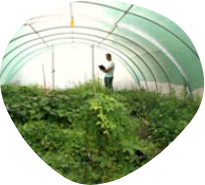 As soon as you place your order your plants are selected
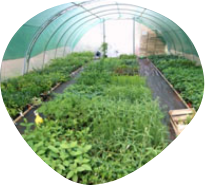 Each order is processed individually.
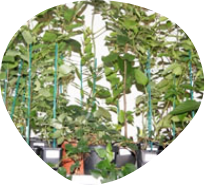 Plants are packed, staked and labeled.
 Packaging is carefully implemented to avoid any problems.
 Packages are ready to be shipped.
We ship our plants throughout Europe (excluding overseas territories and islands).
Avis clients


‘Ice Crystal’ fig tree: ornamental fig with deeply cut foliage resembling ice crystals, hardy to –15 °C, self‑fertile and productive, ideal as a specimen or in pots to bring a graphic accent and delicious figs to any garden.
Your cart is empty
Continue shopping