- New
- Pickup at nursery



Tulare English Walnut is revolutionizing walnut cultivation thanks to its vigor and exceptional yield. Its abundant lateral fruiting makes it an ideal choice for intensive orchards or small, demanding gardens. Self-sustaining and rapidly productive, it guarantees generous harvests without the need for pollinators.
Description
The Tulare English Walnut stands as a breakthrough in modern fruit arboriculture, offering a combination of vigour and productivity. This fruit tree is distinguished by its exceptional lateral fruiting capacity, allowing it to bear nuts on nearly all its shoots and making it perfectly suited for dense hedgerows or intensive orchards. Its greatest appeal, beyond its imposing stature, lies in its remarkable autonomy: it is one of the few walnut varieties capable of guaranteeing a heavy crop without relying on third‑party pollinators. For gardeners with limited space but high expectations for premium table walnuts, Tulare represents a durable and generous investment. It begins fruiting very early, often within the first years after planting.
This variety is a prestigious horticultural creation from California, USA, developed through the advanced breeding programmes of the University of Davis. Tulare is the result of a directed genetic cross between the cultivars 'Tehama' and 'Serr', from which it inherited robustness and refined flavour.
The walnut belongs to the Juglandaceae family, a group of valuable hardwood trees known for producing complex aromatic compounds. This botanical lineage is renowned for the longevity of its specimens and the high nutritional value of their nuts.
The defining uniqueness of Tulare lies in the near‑perfect synchronisation of its male and female blooms, a rare phenomenon of flowering overlap that ensures efficient self‑pollination. Historically, this characteristic simplified orchard management by eliminating the need to plant multiple varieties. It also shows increased resilience to common wood diseases, making it a healthier long‑term specimen.
At maturity, Tulare can reach an average height of 7 to 8 metres if not controlled by pruning. Its imposing stature makes it an excellent shade tree. Under controlled cultivation, it maintains a strong central leader that facilitates ground‑level harvesting.
Its crown typically spreads 6 to 7 metres wide, forming a dense protective dome. This width must be considered when planting to avoid root or canopy competition with nearby structures. Its spread is, however, more controlled than that of wild varieties thanks to horticultural selection.
The habit is semi‑upright to rounded, offering a balanced silhouette that remains elegant even in winter. The branch structure is strong and capable of supporting heavy nut loads without breaking. This natural architecture allows excellent light penetration to the centre of the tree.
The bark is a bright light grey, remaining relatively smooth during the tree’s youth before developing noble fissures. The longitudinal cracks that appear with age give the tree a venerable and powerful character. It effectively protects the trunk from harsh winter temperature fluctuations.
The deciduous leaves consist of oval leaflets in a deep glossy green, releasing a strong balsamic scent when crushed. This dense foliage provides thick shade, highly appreciated during summer heatwaves. In autumn, the leaves turn golden yellow before falling, enriching the soil with organic matter.
Growth is vigorous, allowing the garden to structure itself quickly within the first years. Fruiting begins much earlier than in traditional walnut varieties, rewarding the grower rapidly. This growth dynamic requires a well‑nourished soil to support its rapid development.
It shows excellent cold resistance, tolerating temperatures down to -20°C without damage. Its relatively late flowering also protects it from spring frosts that could compromise the harvest. It is perfectly adapted to temperate climates, from southern France to the plains of Belgium.
Flowering occurs in May, when the risk of late frost is minimal. The male flowers appear as hanging catkins at the same time as the discreet female flowers. This precise timing is the secret to its high fertility.
The male flowers are long greenish catkins filled with pollen, while the female flowers are small structures located at the tips of young shoots. Their scent is subtle but sufficient to attract auxiliary pollinators. Pollination is mainly anemophilous, meaning wind‑driven.
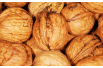
The nuts produced are of large calibre, with a thin shell that breaks easily by hand or with a nutcracker. The kernel is extra light in colour, plump, with a crunchy texture and a sweet flavour free of bitterness. They store remarkably well once dried in a cool, ventilated place.
Tulare is a variety of self‑fertilisation and requires no partner to bear fruit. The overlap between pollen release and female flower receptivity is nearly complete. This autonomy is a strategic advantage for small gardens that can host only one tree. Although self‑fertile, Tulare’s yield is greatly improved by the presence of another walnut nearby such as Chandler, Franquette, Fernette, Fernor, Lara.
The walnut requires full sun so its leaves can perform optimal photosynthesis. Abundant light is essential to ensure well‑filled nuts and high oil content in the kernels. An open location also prevents stagnant humidity in the foliage, reducing disease risks.
To ensure successful establishment, prepare a wide and deep planting hole to facilitate the development of its taproot. Adding mature compost at the bottom of the hole will stimulate the root system from the first weeks.
During the first three years, regular and deep watering is crucial, especially during dry summers, to support its natural vigour. Once established, its powerful root system allows it to draw water from deep layers, making it more resistant to drought. However, maintain some soil moisture during the nut‑filling phase in summer.
Pruning should be done sparingly, ideally in late summer or autumn to avoid excessive sap flow. It mainly consists of removing dead wood and balancing the crown to promote lateral productivity. For this cultivar, it is advisable to open the centre of the tree to allow light to ripen the nuts on the inner branches.
The varietal fidelity of 'Tulare' is ensured through grafting, an essential technique to preserve its unique genetic traits. Cuttings or seedlings would not reproduce the earliness and fruit quality that make this cultivar renowned. The rootstock used is selected for perfect compatibility and resistance to soil‑borne pathogens.
As a specimen tree, it becomes the focal point of a lawn, offering a noble structure and refreshing shade during summer. It can also be integrated into a diversified fruit hedge, where its stature will dominate the space with elegance. Beyond its aesthetic appeal, it is an inexhaustible provider of healthy, energy‑rich nuts for the whole family, as well as a refuge for local wildlife.
Tulare benefits from a natural resistance to common diseases such as bacterial blight. Simply collecting fallen leaves in autumn is often enough to prevent most fungal attacks. Regular monitoring of the foliage allows early detection of aphids that may weaken young spring shoots.
To maximise nut quality, an annual addition of organic matter at the base of the tree in spring is strongly recommended. Plant your walnut in well‑drained soil, as it is sensitive to root asphyxiation caused by stagnant winter water. An organic mulch at the base will help maintain the necessary moisture during the critical nut‑filling phase in summer.
Shipping & delivery
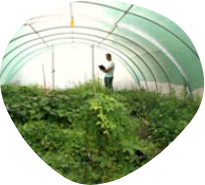 As soon as you place your order your plants are selected
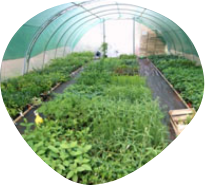 Each order is processed individually.
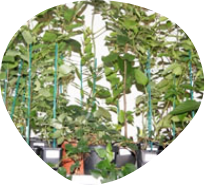 Plants are packed, staked and labeled.
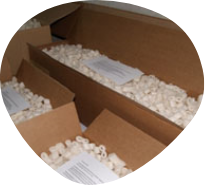 Packaging is carefully implemented to avoid any problems.
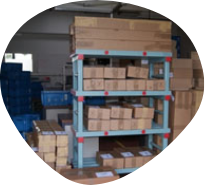 Packages are ready to be shipped.
Expédition de nos plantes dans toute l'Europe (sauf en outre mer et les îles).
Avis clients




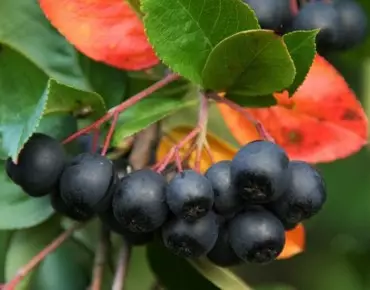
Tulare English Walnut is revolutionizing walnut cultivation thanks to its vigor and exceptional yield. Its abundant lateral fruiting makes it an ideal choice for intensive orchards or small, demanding gardens. Self-sustaining and rapidly productive, it guarantees generous harvests without the need for pollinators.
Your cart is empty
Continue shopping