- New
- Pickup at nursery



Discover the Pescianski English Walnut, a majestic fruit tree from Moldova, famous for its tasty thin-shell nuts, exceptional productivity, and great resistance to winter cold.
Description
The Pescianski English Walnut is an elite variety originating from Moldova, renowned for its exceptional productivity and great robustness. Unlike classic varieties, this cultivar stands out for its very rapid fruiting and harvest regularity, making it a preferred choice for family orchards. Its utility in the garden is multiple: it majestically structures the space while offering refreshing shade during the summer months thanks to its dense foliage dome. The major peculiarity of 'Pescianski' lies in the quality of its fruits, which have a thin shell greatly facilitating the extraction of the kernels. Its natural resistance to common walnut diseases, such as anthracnose or bacterial blight, allows for healthy cultivation with minimal chemical intervention. By choosing this cultivar, the gardener ensures a lasting plant legacy capable of producing generous harvests for several decades. It is a tree that combines a noble aesthetic with remarkable fruit efficiency, adapting perfectly to temperate climates thanks to a flowering period that often avoids frost. Its imposing but balanced stature makes it the ideal centerpiece for a large garden.
This cultivar comes from rigorous selection programs in Moldova, an Eastern European region famous for its centuries-old tradition of walnut cultivation. It was specifically developed to meet the needs for vigor and yield under sometimes marked continental climatic conditions. This origin gives it excellent adaptability to deep soils and an ability to withstand harsh winters without compromising its woody structure.
Juglans regia 'Pescianski' belongs to the Juglandaceae family, a group of woody plants mainly distributed in the temperate zones of the northern hemisphere. This family is famous for the production of precious wood and oilseeds of high nutritional value. The genus Juglans is distinguished by its aromatic compound leaves and its ability to influence the growth of surrounding plants via the secretion of juglone.
'Pescianski' is historically linked to the genetic improvement of Eastern walnuts, aiming to obtain superior quality table nuts. Its botanical singularity lies in the exceptional fineness of its shell, often referred to as a "paper shell," which allows for easy manual cracking. In the past, the wood of these Moldovan walnuts was particularly sought after for fine cabinetry due to its tight grain and elegant dark hue.
Although our specimens are grafted as low-stem to facilitate maintenance and harvesting, 'Pescianski' has a natural vigor that leads it to a height of 8 to 10 meters. Its growth is proportionate, allowing the tree to dominate the landscape without becoming uncontrollable in a domestic setting. This final height will depend closely on the soil depth and nutrient availability during its juvenile phase.
At maturity, the crown of this walnut can spread over a width of 6 to 8 meters. Its lateral deployment requires providing sufficient space from planting to avoid any competition with buildings or other major trees. This generous span ensures significant plant coverage, ideal for creating a natural cooling island.
The habit is generally globular and well-branched, offering a balanced and harmonious silhouette even in the winter period. The scaffold branches depart from the trunk at solid angles, giving the tree great resistance to strong winds. With age, the structure rounds out to form a protective dome perfect for summer rest at its foot.
The bark is a very bright silvery light gray, remaining smooth on young subjects during the first years of growth. As it ages, it cracks longitudinally, creating deep reliefs that add a sculptural dimension to the trunk. This characteristic texture is not only aesthetic but also serves as a refuge for a multitude of beneficial insects useful for the garden's balance.
The foliage is composed of large pinnate and deciduous leaves, of a deep and shiny green throughout the summer season. The leaflets emit a characteristic aromatic odor when crushed, typical of species in the Juglandaceae family. In autumn, the foliage takes on golden yellow nuances before falling, creating an organic carpet rich in minerals for the soil.
The growth rate is considered moderate, with relatively early fruiting for the species, often occurring as early as the 4th or 5th year after planting. The tree concentrates its energy on establishing a powerful taproot system before developing its aerial branching. Once installed, it steadily gains in volume and density each year.
It is a very resistant tree that withstands temperatures dropping down to -25°C without suffering structural damage. Its hardiness is a direct legacy of its Moldovan origins, where winters can be particularly long and biting. It is therefore perfectly suited for installation in most European regions, including those experiencing winter cold peaks.
The flowering of 'Pescianski' generally occurs in May, which is a major asset for avoiding late spring frosts. The bud burst is synchronized to protect the reproductive organs from sudden climatic fluctuations. This spring flowering marks the awakening of biodiversity around the tree.
The male flowers appear in the form of greenish hanging catkins, loaded with pollen that is dispersed by the wind. The female flowers are much more discreet, small, and located at the end of young shoots, waiting to be fertilized. The structure of these flowers is optimized for wind pollination, not necessarily requiring insect intervention for fruit set.
The nut is medium to large in size, housed in a smooth beige shell that is very thin and protects a fleshy kernel. The taste of the nut is exceptional: it is mild, buttery, with fresh hazelnut aromas and no bitterness on the skin. This cultivar is self-fertile, which guarantees a harvest even if the tree is planted alone in the garden.
Although pollination is ensured by the wind, the tree is a popular nesting site for birds and an essential pantry for squirrels. Nuts fallen to the ground provide vital energy for local fauna as the cold season approaches. In winter, its cracked bark houses many beneficial insects.
The Pescianski Walnut absolutely needs an exposure in full sun to fruit generously and ensure the ripening of the nuts. Summer heat is the main driver of oil accumulation in the kernel, guaranteeing its unique flavor. An open location also helps to limit stagnant humidity in the foliage, reducing the risk of disease.
It is essential to work the soil deeply (minimum 80 cm) because the walnut develops a powerful taproot. A massive addition of well-decomposed compost or ripe manure will help enrich the soil and improve its structure. Since our plants are in pots, they can be planted all year round, but make sure to loosen the soil around the planting hole well for anchoring.
For optimal development without competition, respect a distance of 8 to 10 meters between two subjects. This space is vital for ensuring good air circulation and full sunlight on the fruiting crown. If you plant it near a building, also provide sufficient setback to protect the foundations from the powerful roots.
This walnut prefers deep, fertile, and well-drained soils, with a tolerance for slightly calcareous or neutral lands. It avoids overly acidic or excessively wet soils that could cause root asphyxiation. Loose soil rich in humus is the guarantee of vigorous growth and the production of superior quality nuts.
Dig a hole twice as wide as the root ball and install a solid stake to protect the trunk from prevailing winds. Place the tree ensuring that the graft point is located a few centimeters above ground level. Refill with a mixture of garden soil and potting soil, pack moderately, and finish with a copious watering to flush out air pockets.
During the first two years after installation, regular watering is paramount, especially during dry summer periods. Provide about 20 to 30 liters of water once a week to maintain constant freshness at the root system level. This stage is crucial for ensuring the recovery of the pot plant and promoting rapid initial growth.
Once well established, the walnut becomes very drought-resistant thanks to its roots exploring the deep layers of the soil. However, to guarantee a good walnut harvest, a water supply in July and August is beneficial during the formation of the kernel. A severe lack of water at this time could lead to hollow or small fruits.
Pruning the walnut should be minimal and is ideally done in late summer or early autumn to avoid sap bleeding. Limit yourself to removing dead wood, crossing branches in the center of the tree, and any potential suckers. An airy structure allows light to penetrate to the heart of the crown.
The multiplication of 'Pescianski' is carried out almost exclusively by grafting onto a Juglans regia rootstock selected for its vigor. This method is the only one that allows for the preservation of the cultivar's unique characteristics, particularly its shell fineness. Sowing nuts is not recommended as it does not guarantee fruit quality.
Its ideal place is as a specimen in the middle of a large lawn or at the back of the garden to serve as a natural screen and shade tree. Due to its juglone production, avoid installing it in the immediate vicinity of a sensitive vegetable garden. It is the perfect tree for creating a majestic focal point in a rural or classic landscape design.
You can plant tolerant plants at its base such as Hostas, ferns, or spring bulbs like daffodils. Raspberries and currants also handle its vicinity fairly well if they receive enough light on the periphery. This low layer allows for occupying the space while benefiting from the walnut's protective atmosphere.
Traditionally, the walnut is the tree of transmission, planted for future generations for its wood and fruits. In Moldova, 'Pescianski' nuts are used for making traditional pastries and refined table oils. The husk (the green envelope) was once used as a powerful natural dye for woodwork and fabrics.
Although this cultivar is selected for its resistance, it can sometimes be subject to anthracnose or the walnut husk fly. Aphid attacks can also occur on young shoots during particularly mild and humid springs. However, its natural vigor generally allows it to overcome these attacks without lasting consequences for the harvest.
Collecting and destroying fallen leaves in autumn is essential for limiting the spread of pathogenic fungi. The use of pheromone traps allows for effective ecological control of codling moth populations. Compost at the base of the tree strengthens its natural immune defenses.
Install an organic mulch (wood chips, straw) over a one-meter radius around the trunk to conserve moisture and feed the soil. Avoid working the soil too deeply near the trunk to avoid wounding superficial roots. Finally, ensure the tree is not competed with by high grasses or weeds during its first three years.
The 'Pescianski' stands out clearly for its extremely thin shell, which is a rarity for such a hardy variety. Its fruiting is faster than in most seedling varieties, offering quick satisfaction to the gardener. Its combined resistance to cold and fungal diseases makes it one of the most reliable walnuts for northern regions.
The Pescianski English Walnut (Juglans regia 'Pescianski') is an exceptional variety from Moldova, combining a remarkable thin shell with generous productivity. This self-fertile fruit tree offers nuts with a mild, buttery taste and is resistant to diseases and cold down to -25°C. Ideal as a majestic shade tree, it is a sustainable and tasty choice for your garden.
Shipping & delivery
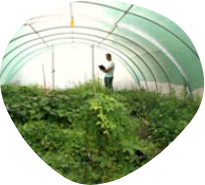 As soon as you place your order your plants are selected
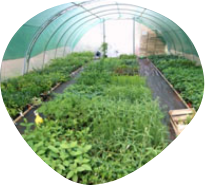 Each order is processed individually.
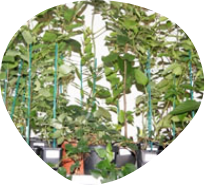 Plants are packed, staked and labeled.
 Packaging is carefully implemented to avoid any problems.
 Packages are ready to be shipped.
We ship our plants throughout Europe (excluding overseas territories and islands).
Avis clients




Discover the Pescianski English Walnut, a majestic fruit tree from Moldova, famous for its tasty thin-shell nuts, exceptional productivity, and great resistance to winter cold.
Your cart is empty
Continue shopping