- Pickup at nursery




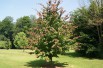
The Persian Ironwood, native to Northern Iran, is very rustic -25 °C. This tree of collection expresses all its splendor in bearing one of the most beautiful colored foliage of autumn, it is shaded of yellow-orange, and then turn squarely into bright red.
Description
Parrotia persica is an exceptional tree, renowned for offering one of the most beautiful autumn displays in the plant kingdom. Its nickname “ironwood tree” comes from the remarkable density of its wood, so compact that it sinks in water. But its value goes far beyond robustness: it stands out for its evolving aesthetic throughout the seasons. In winter, it reveals an unexpected flowering of small clusters of scarlet stamens. In spring, its young foliage edged with purple catches the eye. Then in autumn, it transforms into an explosion of warm colours — bright yellow, burnt orange, deep red. With age, its bark peels in multicoloured plates, offering a unique winter decoration. It is an ideal tree for those seeking a rare, solid, year‑round decorative and highly reliable specimen.
A relict species from the humid forests of Northern Iran and Azerbaijan, Parrotia persica survived glaciations by taking refuge in the Alborz mountains.
It belongs to the Hamamelidaceae family, the same as witch hazels and sweetgums, famous for their flamboyant autumn colours.
The name Parrotia honours the naturalist Friedrich Parrot. Its extremely hard wood was once used to make parts requiring exceptional resistance.
In cultivation, it generally reaches 8 to 10 m. Its moderate growth makes it easy to integrate into medium‑sized gardens.
Its spread ranges from 5 to 8 m. In multi‑stem form, it spreads widely and forms a broad, elegant silhouette.
The habit is initially bushy and spreading, then becomes more tree‑like with age. Its branches can fuse together when they touch, a rare phenomenon called anastomosis.
The mature bark exfoliates in irregular plates revealing shades of cream, cinnamon brown and silvery grey. A true decorative asset in the cold season.
The leaves, deciduous and slightly corrugated, resemble those of beech. They shift from tender green edged with purple to dark green, then to a spectacular autumn palette.
Growth is slow to moderate, especially during the first years, while the tree develops dense wood and a solid structure.
Very cold‑resistant, it tolerates temperatures close to -25°C.
Flowering appears in February–March, before the leaves open.
The flowers, without petals, consist of bright red stamens surrounded by small brown bracts. They bring colour to late winter.
The fruits are small brown capsules, without decorative interest, but appreciated by some birds.
Full sun is recommended for the best autumn colours. Partial shade is tolerated but reduces colour intensity.
A loosened soil enriched with organic matter facilitates rooting. In calcareous soils, adding ericaceous compost can be beneficial.
Allow about 6 m around the tree so it can develop freely.
It prefers fresh, deep and well‑drained soils. Very calcareous soils may cause chlorosis.
Water regularly during the first two years. Once established, it tolerates short droughts, but a fresh soil improves foliage quality.
Pruning is optional. If necessary, prune in late winter to remove lower branches or crossing shoots.
Cuttings are delicate but possible. Layering is possible on young specimens. Seedlings are variable.
Perfect as a specimen tree, in an ornamental tree border or in a contemporary garden. Its decorative bark makes it a winter focal point.
Witch hazels, Japanese maples, dogwoods, ferns, hydrangeas: plants that appreciate acidic to neutral soils and create a refined atmosphere.
In its native range, its very hard wood was used to make durable objects. Today it is mainly valued for its ornamental interest.
A very healthy species, rarely affected by disease. Sensitive to calcareous soils and water stress during youth.
Plant in non‑calcareous soil, mulch to maintain freshness, water during prolonged drought.
Plant in acidic to neutral, well‑drained and bright soil. Avoid calcareous soils to preserve foliage quality.
Parrotia persica stands out for its decorative bark, winter flowering and exceptional autumn foliage. Its slow growth and high hardiness make it easy to integrate into many gardens.
Shipping & delivery
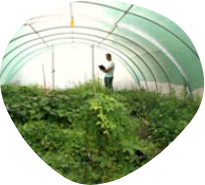 As soon as you place your order your plants are selected
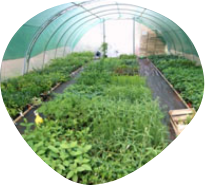 Each order is processed individually.
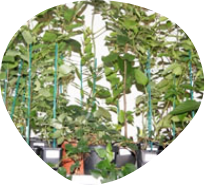 Plants are packed, staked and labeled.
 Packaging is carefully implemented to avoid any problems.
 Packages are ready to be shipped.
Expédition de nos plantes dans toute l'Europe (sauf en outre mer et les îles).
Avis clients


The Persian Ironwood, native to Northern Iran, is very rustic -25 °C. This tree of collection expresses all its splendor in bearing one of the most beautiful colored foliage of autumn, it is shaded of yellow-orange, and then turn squarely into bright red.
Your cart is empty
Continue shopping