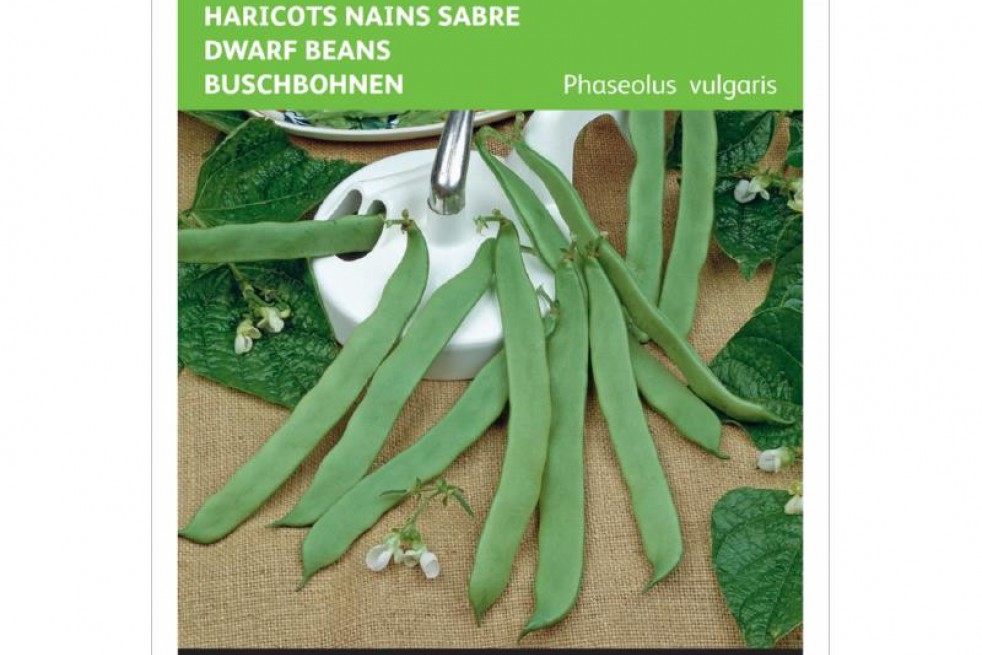

Dwarf beans Admires
Phaseolus vulgaris
Dwarf beans Admires — long, stringless pods, extended harvest, and easy cultivation: the ideal variety for a productive, flavorful, and easy-to-store vegetable garden.
Description
Dwarf beans Admires — Phaseolus vulgaris
Introductory summary
Dwarf beans Admires is an annual variety of Phaseolus vulgaris selected for its long, straight, and very tender pods, ideal for fresh eating and preservation. Its compact, bushy habit makes it easy to grow in family vegetable plots, deep containers and closely spaced rows. Pods are harvested young before seeds swell, ensuring a crisp texture and mild flavor suitable for stir-fries, warm salads and freezing. Admires stands out for a staggered production over several weeks, reducing harvest peaks and providing regular yields for home consumption. The variety prefers well-drained soils and full sun, but tolerates varied conditions if watering is managed. As a legume, it contributes to soil fertility through nitrogen fixation, benefiting subsequent crops. Its robustness, low maintenance and culinary versatility make Admires a recommended choice for both novice and experienced gardeners seeking yield, taste and simplicity.
Origins and botanical family
Geographic origin
Admires belongs to the broad heritage of common bean varieties and has been selected for pod quality in European kitchen gardens. This selection focuses on combining productivity with flavor.
Botanical family
Belongs to the Fabaceae family, genus Phaseolus, legumes known for nitrogen fixation which improves soil fertility.
Historical and local notes
Valued for its long, regular pods and good storage qualities, Admires is suitable for freezing and canning.
Botanical description and characteristics
Mature height and habit
A dwarf bush type, typically 25–40 cm tall, with a compact habit that requires no staking. This habit allows for dense planting and easy harvesting.
Foliage
Trifoliate green leaves provide good ground cover and help suppress weeds, maintaining a healthy microclimate around the plants.
Other morphological features
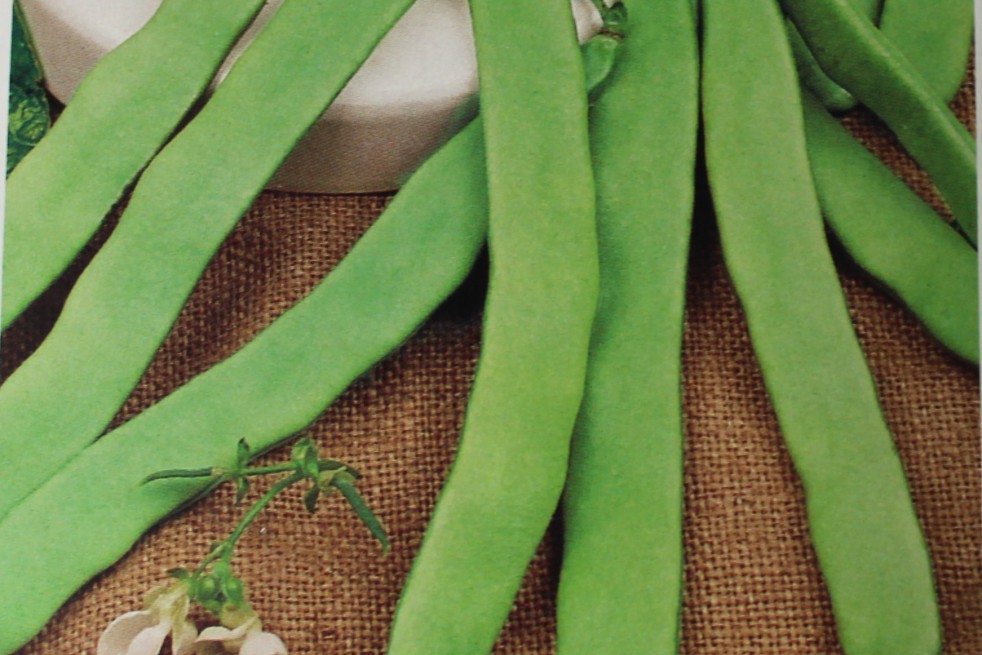
Pods measure 15–20 cm, are straight and very slender, and remain stringless when harvested young; seed color varies by line but is secondary to pod quality.
Sowing and growing conditions
Ideal sowing period
Direct sow from May to July; in mild areas sowing from April is possible. Staggered sowing extends the harvest period.
Germination temperature
Optimal germination occurs between 18–25 °C for rapid and even emergence. Lower temperatures slow germination and increase rot risk.
Time to emergence
7–12 days depending on temperature and soil moisture; warm, moist soil favors uniform emergence.
Sowing depth and spacing
Sow 2–3 cm deep; space 8–12 cm between plants and 35–45 cm between rows to facilitate maintenance and harvest.
Soil type
Prefer light to medium textured soils rich in organic matter and well drained; pH 6.0–7.0 is ideal.
Exposure
Full sun ensures best yields and pod quality; partial shade reduces production and sweetness.
Thinning method
Thin 2–3 weeks after emergence, keeping the strongest plant every 8–12 cm to improve vigor and air circulation.
Water needs
Regular moderate watering is essential, especially during flowering and pod set; avoid waterlogging to prevent root diseases.
Maintenance and monitoring
Pruning or pinching
No routine pinching required; remove weak shoots to concentrate plant vigor and improve airflow.
Staking
Not necessary for this dwarf variety, simplifying garden setup and care.
Disease and pest prevention
Practice crop rotation, mulch, water at the base, and harvest frequently; encourage beneficial insects and use slug barriers when needed.
Harvest
Harvest time after sowing
Harvest typically begins 60–75 days after sowing depending on conditions; staggered sowing yields continuous harvests.
How to recognize maturity
Pick pods when they are shiny, firm and supple, before seeds swell and pods become fibrous. Regular picking stimulates further pod production.
Average yield
High, staggered yields over several weeks make Admires suitable for home use and freezing; yields vary with soil and care.
Post-harvest handling
Consume fresh or blanch and freeze for long-term storage; can be jarred after brief cooking; refrigerate 2–3 days for immediate use.
Garden uses
Where to place in the vegetable patch
Plant at bed edges, in rows or in deep containers; suitable for small spaces and urban gardens.
Beneficial plant associations
Good companions include corn, squash, cabbage and herbs; legumes enrich the soil for following crops.
Crop rotation advice
Avoid planting legumes in the same spot for 2–3 years; follow with nitrogen-demanding crops after adding compost.
Culinary uses
Flavor
Tender and slightly sweet, with a crisp texture when briefly cooked. This delicate flavor suits many preparations.
Ways to cook or preserve
Stir-fry, steam, use in salads or as a side dish; blanch and freeze for winter use. The variety retains texture well after freezing.
Tip or typical recipe
Quick stir-fry: blanch 3 minutes, then sauté 2 minutes in olive oil with garlic, lemon zest and sliced almonds to preserve crunch and enhance flavor.
Ecology, curiosities and strengths
Ecological interest
Supports biodiversity and soil fertility through nitrogen fixation and attracts beneficial insects to the garden.
Anecdote or curiosity
Selected for its stringless pod, Admires saves time in the kitchen by eliminating the need for stringing.
Permaculture, balcony or greenhouse culture
Suitable for permaculture systems, deep pots on balconies and early sowing in cold frames or unheated greenhouses for earlier harvests.
Final note
Dwarf beans Admires deserve a place in the garden for their combination of productivity, ease and taste. Their long, tender pods, staggered harvest and low maintenance make them a rewarding choice for gardeners seeking reliable yields and good flavor.
(Box of 100 grams for 15-18 m sowing)
Features
- Common name : Dwarf beans Admires
- Time to sow seeds : Sow from mid-April under glass, or directly in the ground from May to July.
- Harvest : Sow 60–75 days after sowing.
Specific References
- EAN13
- 8711117030607
Expédition & livraison
How does the delivery work?
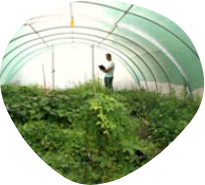 As soon as you place your order your plants are selected
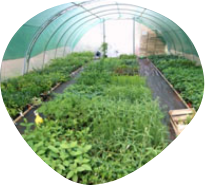 Each order is processed individually.
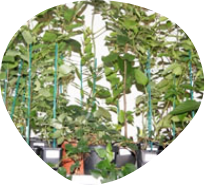 Plants are packed, staked and labeled.
 Packaging is carefully implemented to avoid any problems.
 Packages are ready to be shipped.
Our delivery methods
Shipping of our plants throughout Europe (except overseas and islands).





Customer reviews
Nobody has posted a review yet
in this language