









Grow exotic flavors with the Pepino, the delicious Melon Pear! This unique fruit with notes of melon and pear is easy to grow in pots or the garden. A juicy and decorative harvest for all gourmets curious about natural wonders.
Description
The Pepino, better known as the Melon Pear, is an original and perennial fruiting plant belonging to the Solanaceae family, just like tomatoes or eggplants. Native to the temperate regions of the Andes Mountains, it is increasingly popular with European gardeners thanks to its exotic fruits with subtle flavors of melon and juicy pear. Its bushy habit and delicate flowering, reminiscent of potato flowers, make it as decorative as it is useful in the vegetable patch or on the terrace. Easy to grow in pots or in the ground during summer, it offers a generous harvest of ovoid fruits, often striped with purple when ripe.
This fascinating plant originates from South America, specifically the Andean valleys stretching from Colombia to Chile. It was domesticated thousands of years ago by pre-Columbian civilizations who appreciated its refreshing flesh during hot periods. Introduced to Europe at the end of the 18th century, it remained a botanical curiosity for a long time before gaining popularity again among lovers of rare flavors.
The Pepino belongs to the vast Solanaceae family, a major botanical group that includes essential plants such as peppers, tobacco, or mandrake. Its scientific name, Solanum muricatum, clearly indicates its relationship with the Solanum genus, sharing its floral characteristics and growth structure. Despite its common name "melon pear," it has no botanical link to the pear tree (Rosaceae) or the melon (Cucurbitaceae), which often surprises beginners.
Spanish explorers were the first Europeans to document this crop, describing it as a fruit of great finesse capable of refreshing travelers. Although it was grown at Versailles for the court's curiosity, it took the development of permaculture and exotic gardens for it to find its place in private gardens. Today, it is widely grown commercially in New Zealand and California, proving its adaptability to various temperate climates.
In good growing conditions, the Pepino forms a dense little bush that generally reaches between 60 centimeters and 1 meter in height. Its habit is naturally branched and can become slightly creeping if the stems are not staked or supported. The stems become semi-woody with age, allowing the plant to support the weight of its numerous fruits without collapsing completely.
The Pepino's foliage is evergreen in warm climates but often behaves like an annual or deciduous plant in our latitudes if not protected. The leaves are deep green, lanceolate, and can sometimes be irregularly lobed depending on the plant's maturity. They emit a characteristic Solanaceous smell when crushed, subtly reminiscent of a tomato plant.
The flowering is particularly aesthetic, producing small star-shaped flowers in blue-purple or white with a bright yellow heart. The fruits are ovoid berries whose size varies from that of a large egg to a small mango depending on the variety and soil richness. When ripe, the smooth skin turns creamy yellow and develops beautiful purple longitudinal stripes indicating the ideal time for tasting.
Sowing should start early, ideally between February and April, as the plant requires a long growing season to fruit. Starting indoors or in a heated greenhouse is imperative to ensure young plants have a constant and sufficient temperature. The earlier the sowing is done, the higher the chance of obtaining ripe fruit before the first autumn frosts.
For Pepino seeds to emerge correctly, a stable temperature between 20°C and 25°C is required. The use of a heating mat or a mini-greenhouse placed near a heat source is highly recommended to ensure an optimal success rate. Too low a temperature would considerably prolong the germination time or could cause the seeds to rot.
The emergence time for melon pear seeds is relatively long, usually requiring between 14 and 21 days of patience. It is essential to keep the substrate moist without ever being waterlogged, as young seedlings are sensitive to damping-off. As soon as the two cotyledons are well deployed, intense light is necessary to prevent the plants from becoming leggy.
The seeds should be covered with a thin layer of seed compost of only 3 to 5 millimeters. During final planting in the garden or in a pot, a spacing of 50 to 60 centimeters between each plant is recommended for good air circulation. This distance also allows the branches to develop without competing for sunlight.
The Pepino is a greedy feeder and prefers soil rich in organic matter, well-drained, and retaining some coolness during the summer. A mixture of garden soil, well-decomposed compost, and a bit of sand for drainage constitutes the ideal substrate for pot culture. It dreads overly clayey and compact soils that hold water at the roots, which could suffocate the plant.
The plant requires a full sun exposure, sheltered from prevailing winds that could break its brittle stems. In northern regions, a location against a south-facing wall allows for residual heat during the night. Direct sunlight is essential not only for growth but especially for sugar development in the fruit.
Transplanting into the ground should only take place once all risk of frost has passed, usually after the Ice Saints in May. It is advisable to plant the Pepino slightly deeper than the initial root ball to promote the emission of adventitious roots at the base of the stem. Immediate and generous watering after planting helps the roots settle quickly into their new environment.
Water needs are regular and significant, especially during the flowering and fruit formation period. A lack of water can cause premature flower drop or limit the size of the developing berries. Organic mulching at the base of the plant is strongly advised to maintain soil moisture and limit evaporation during summer heatwaves.
Although pruning is not mandatory, removing "suckers" in the leaf axils helps concentrate the plant's energy on ripening the fruit. Staking is essential because the stems, although woody, eventually bend under the weight of the fruit, which can be very heavy. A tripod structure or a simple sturdy stake keeps the fruit clean and off the ground, limiting slug attacks.
The Pepino is sensitive to the same pathologies as tomatoes, notably mildew if the foliage remains too damp in hot weather. It is therefore recommended to water only at the base and avoid wetting the leaves during maintenance. Aphids and red spider mites can sometimes visit, but regular monitoring and the use of insecticidal soap are usually enough to control these invasions.
Harvesting generally takes place from August and can continue until the first frosts in October or November. The fruits do not ripen all at once, allowing for staggered consumption over several weeks. If temperatures drop too early, it is possible to bring the pots inside to finish ripening indoors.
The fruit changes radically in appearance when ready: its skin turns from pale green to creamy yellow or light orange. The purple stripes become more marked and the fruit emits a very pleasant sweet scent when approached. A light finger pressure allows you to feel that the flesh has become supple, a sign that the sugar level is optimal.
A well-maintained Pepino plant can produce between 5 and 15 fruits per season, depending on the start time and summer heat. This yield is very satisfying for a plant of this size, especially considering the fruit's rarity in traditional markets. The sunnier the autumn, the more fruit will reach perfect maturity.
Once picked, the fruit keeps for about a week at room temperature or slightly longer in the refrigerator's vegetable drawer. It is best to consume them quickly after harvest to enjoy all their juiciness and vitamins. If you have a surplus, the flesh can be frozen in cubes or turned into original and tasty jams.
Its ideal place is in the foreground of Solanaceous crops, next to peppers and eggplants that share the same heat needs. Due to its aesthetic appearance, it can also be integrated into a flower bed or on a well-exposed terrace. It is a perfect plant for curious gardeners or educational gardens as it always intrigues visitors.
The Pepino appreciates the company of basil which, through its scent, can help deter certain harmful insects. It can also be associated with flowers like marigolds that protect the root system against soil nematodes. However, avoid placing it too close to potatoes to limit the risk of mutual transmission of fungal diseases.
As with all Solanaceae, it is important to respect a rotation of 3 to 4 years before replanting in the same spot. This avoids specific soil depletion of certain minerals and breaks the life cycle of underground parasites. After a Pepino, grow root vegetables like carrots or legumes that will enrich the soil with nitrogen again.
The Pepino's flavor is a unique taste experience, blending the sweetness of cantaloupe melon and the crunchy texture of a ripe pear. The flesh is extremely juicy, refreshing, and moderately sweet, making it an ideal fruit for heatwaves. Some palates also detect distant notes of cucumber or honey depending on the fruit's ripeness.
It is mainly consumed raw, peeled and cleared of its few small central seeds, much like you would eat a melon. It can be integrated into fruit salads, served in thin slices with cured ham, or even made into homemade sorbets. In a savory version, it pairs wonderfully with white fish or shrimp thanks to its natural freshness.
For a refreshing starter, cut the Pepino in half, remove the seeds and fill the cavity with a little lime juice and a touch of fresh grated ginger. This combination awakens the fruit's aromas and makes it a light and sophisticated appetizer. You can also pan-fry it for a few minutes with a bit of honey for an original hot-cold dessert.
Pepino flowers are melliferous and attract many pollinating insects like bumblebees, essential for the garden's balance. Although native to South America, the plant fits perfectly into urban garden ecosystems by bringing diversity. Growing this variety contributes to the preservation of cultivated biodiversity and avoids the standardization of mass-consumption fruits.
An amusing feature of the Pepino is how easily it can be propagated from cuttings: a simple stem placed in water develops roots in just a few days. This allows you to easily multiply your favorite plants or save a strain indoors during winter. This exceptional vitality makes it an ideal study plant for understanding vegetative propagation.
In a permaculture design, the Pepino can be used as a border plant or understory in a bioclimatic type greenhouse. It values domestic compost additions and responds perfectly to mound culture principles thanks to its drainage needs. Its perennial nature allows for minimizing soil work if one manages to protect it from winter frost.
The Pepino is the ideal fruit for those who want to get off the beaten track and surprise their guests with exotic harvests. Its cultivation is rewarding, its maintenance remains simple, and its decorative appearance is a real asset for any outdoor space. Adopting the Pepino means giving yourself a flavorful journey to the Andes without leaving your garden.
Plant available, click here
Shipping & delivery
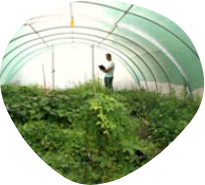 As soon as you place your order your plants are selected
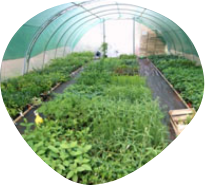 Each order is processed individually.
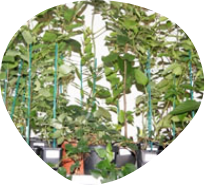 Plants are packed, staked and labeled.
 Packaging is carefully implemented to avoid any problems.
 Packages are ready to be shipped.
Expédition de nos plantes dans toute l'Europe (sauf en outre mer et les îles).
Avis clients





Grow exotic flavors with the Pepino, the delicious Melon Pear! This unique fruit with notes of melon and pear is easy to grow in pots or the garden. A juicy and decorative harvest for all gourmets curious about natural wonders.