Height at maturity
2,50 to 3 m
Wingspan at maturity
2 to 2,50 m
Exposure
Sun, partial shade
Flowering
october to april
Laurustinus 'Giganteum' – Viburnum tinus 'Giganteum'
Origin and characteristics
Native to the Mediterranean basin, Viburnum tinus belongs to the Adoxaceae family. The 'Giganteum' variety is notable for its vigorous growth, winter flowering, and strong resilience.
Description and features
- Adult height : 2.5 to 3 m
- Adult width : 2 to 2.5 m
- Habit : Bushy, dense, and compact
- Foliage type : Evergreen; large dark green glossy leaves, young shoots reddish and hairy
- Flowering period : October/November to April
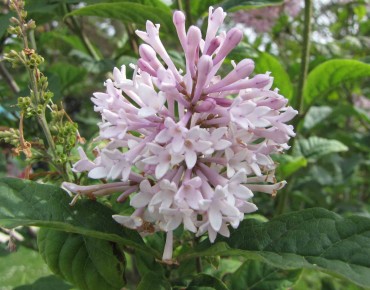
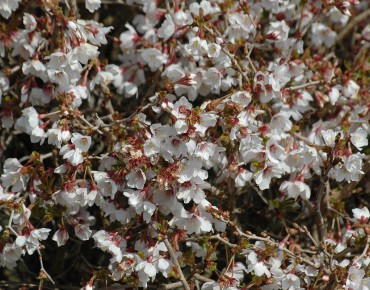
- Flowers : Clusters 8–10 cm, pale pink-white, lightly fragrant, from pink buds
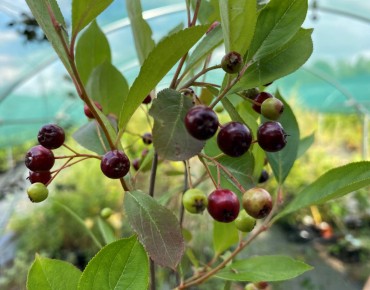
- Fruits : Decorative blue-black berries, much appreciated by birds
- Hardiness : Good (down to -10/-12 °C)
Exposure and soil
- Preferred exposure : Sun or partial shade
- Soil type : Well-drained; tolerates clay, loam, or sandy soils
- Tolerance : Good drought tolerance and adaptable to various soils
Planting
- Best planting time : Autumn or spring
- Soil preparation : Ensure good drainage; add compost
- Spacing : 1.5–2 m for free hedge, 1 m for trimmed hedge
Watering
- At planting : Regular watering until established
- Mature needs : Low; water only during prolonged drought
Pruning
- Time : After flowering (April-May)
- Pruning tips :
- Remove faded flowers to encourage new blooms
- Shape or contain shrub as needed (tolerates heavy pruning)
- Regular pruning reduces fruiting if desired
Propagation
Method : Semi-hardwood cuttings in summer
Garden use
Ideal placement : Free or trimmed hedges, background planting, solitary specimen
Recommended plant associations
- With Dwarf Winged Spindle for foliage contrast
- With Camellia Mary Williams for winter flowering
- With Winter Viburnum for fragrant winter blooms
- With Yellow Camellia for autumn and winter scenes
Disease protection
Sensitivities : Susceptible to black aphids and sometimes powdery mildew
Natural prevention : Plant in well-aerated location; enrich soil annually with organic compost
Tips for healthy growth
- Plant in well-drained soil and bright location
- Water regularly during the first two years
- Prune after flowering to maintain dense habit
- Add compost in spring to boost flowering
- Monitor aphid attacks and act quickly if infestation occurs
Features
-
Common name :
Laurustinus giganteum
-
Family :
Caprifoliaceae
-
Category :
shrub
-
Spread :
2 to 2,50 m
-
Foliage :
evergreen
-
Color of flowers :
Pinkish white
-
Use :
isolated - shrubbery - hedge
-
Soil :
all
-
Habit :
bushy
-
Enemies :
aphid - weevil
-
Possible diseases :
black spots - armillary








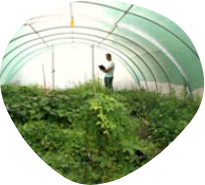 As soon as you place your order your plants are selected
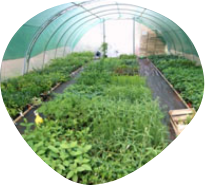 Each order is processed individually.
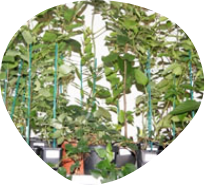 Plants are packed, staked and labeled.
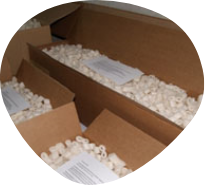 Packaging is carefully implemented to avoid any problems.
 Packages are ready to be shipped.