Height at maturity
2,50 - 4 m
Spread at maturity
2 - 3 m
Exposure
Sun, partial shade
Flowering period
April - May
Lilac 'Amethyst' - Syringa vulgaris 'Amethyst'
(deciduous ornamental shrub with fragrant spring bloom)
Origins and characteristics
Syringa vulgaris 'Amethyst' belongs to the Oleaceae family, which also includes jasmine and forsythia.
Less common than other cultivars, it stands out for its unique flower shades and natural vigour.
Description and features
- Adult height : 2.5 to 4 metres
- Spread : 2 to 3 metres
- Habit : Bushy, dense and rounded
- Foliage : Deciduous, large dark green heart-shaped leaves; young foliage flushed with ochre when emerging
- Flowering : April to May
- Flowers : Single, in compact pyramidal clusters, amethyst blue with pink highlights
- Fragrance : Intense, sweet and captivating
- Hardiness : Excellent (down to -20 °C)
Exposure and soil
- Exposure : Full sun for optimal flowering
- Soil : All soil types, including chalky, fresh and well-drained
- Tolerances : Resistant to diseases and harsh winters
Planting
- Best period : Autumn (ideal) or spring
- Spacing : 2.5 to 3 metres to respect its natural spread
- Preparation : Enrich the soil with mature compost to encourage establishment
Watering
- After planting : Regular watering during the first two years
- Later : Water only during prolonged drought; tolerates moderately dry soils
Pruning
- When to prune? : Immediately after flowering
- How to prune? :
- Remove faded flowers to prevent plant exhaustion
- Cut old stems at the base to encourage new flowering shoots
- Avoid heavy winter pruning, which would reduce flowering
Propagation
- By suckers : Easiest method (natural shoots)
- By cuttings : Softwood cuttings in summer
Garden uses
The Lilac 'Amethyst' is perfect for:
- Specimen planting to highlight its spectacular bloom
- Flowering borders with other spring shrubs
- Informal hedges combined with other spring-flowering species
- Fragrant bouquets to perfume interiors
Disease resistance
- Naturally robust shrub
- Rarely affected by diseases; occasionally sensitive to powdery mildew in very humid summers
Tips for good growth
- Plant in a sunny position
- Use light, fresh and well-drained soil
- Add organic compost in spring to boost flowering
- Light pruning after flowering to maintain shape and renew flowering wood
Syringa vulgaris 'Amethyst', with its abundant bloom, captivating fragrance and unique amethyst-blue colour, is a wonderful choice for creating a romantic and colourful garden. Its ease of cultivation and hardiness make it ideal for long-lasting outdoor beauty.
Easy to grow. The generosity of the flowering Syringa vulgaris Amethyst will bring colour to your garden. You will plant it in isolated, but it will also be suitable in beds and in hedges, associated with other flowering shrubs. By cutting flowering branches of Lilac Amethyst, you can create magnificent bouquets that will pleasantly perfume your interior.
Features
-
Common name :
Lilac Amethyst
-
Family :
Oleaceae
-
Category :
shrub
-
Spread :
2 - 3 m
-
Foliage :
deciduous
-
Color of flowers :
purple
-
Use :
isolated - shrubbery - flowering hedge
-
Soil :
all
-
Habit :
compact
-
Earth to use :
universal potting soil/garden soil/compost
-
Enemies :
aphids - caterpillars
-
Possible diseases :
resistant to diseases



 As soon as you place your order your plants are selected
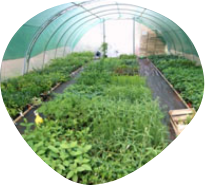 Each order is processed individually.
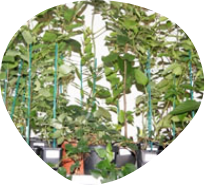 Plants are packed, staked and labeled.
 Packaging is carefully implemented to avoid any problems.
 Packages are ready to be shipped.