- Out-of-Stock
Snowball tree
Viburnum Opulus Roseum
Description
Snowball Tree – Viburnum opulus 'Roseum'
Origins and Characteristics
Native to Europe, North Africa and North America, Viburnum opulus 'Roseum' belongs to the Adoxaceae family. Cultivated since the 16th century, it is valued for its ornamental flowering, cold resistance and decorative foliage.
Description and Particularities
- Adult height : 3.5 to 4 metres
- Adult spread : 3 metres
- Habit : Bushy, rounded, slightly arching under the weight of the flowers
- Foliage : Deciduous; dark green, 3–5 lobes, turning purplish in autumn
- Flowering period : May to June
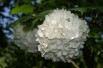
- Flowers : White balls of small flowers (0.5–1 cm), sometimes slightly pink; spherical cymes 5–8 cm wide
- Fruits : Red berries, toxic (not edible), with medicinal properties
- Hardiness : Excellent (down to –34 °C)
Exposure and Soil
- Preferred exposure : Sun or partial shade; tolerates light shade
- Soil type : All soil types, even calcareous, fresh and moist
- Tolerance : Good moisture resistance; tolerates temporary drought once established
Planting
- Best planting time : Autumn or spring
- Soil preparation : Loosen and enrich soil with compost
- Spacing : 1.50 to 2 metres depending on desired effect
Watering
- At planting : Regular watering to establish the root system
- At maturity : Moderate watering; keep soil fresh in summer
Pruning
- Pruning time : Just after flowering
- Pruning advice :
- Remove dead or damaged branches
- Thin the centre of the shrub if needed to improve air circulation
Propagation
- Methods : Semi‑ripe cuttings in summer, layering in spring
Garden Uses
- Ideal location : Free or flowering hedges, shrub borders, specimen planting
- Recommended plant associations :
- With Syringa vulgaris (lilac) for simultaneous flowering
- With Forsythia intermedia for a lively spring display
- With Spiraea vanhouttei to extend the flowering season
- With Philadelphus coronarius (mock orange) for fragrance and brightness
- With Cornus alba for winter interest thanks to its coloured stems
Disease Protection
- Possible sensitivities : Susceptible to aphids and powdery mildew in humid summers
- Natural prevention : Ensure good air circulation and encourage biodiversity
Growing Tips
- Plant in fresh, slightly moist soil
- Mulch to retain moisture in summer
- Remove fruits if children or sensitive animals are present
- Add compost in spring to support flowering
- Prune regularly after flowering to maintain a harmonious shape
Features
- Common name : Snowball tree - Cranberrybush Viburnum - Guelder Rose
- Family : Caprifoliaceae
- Category : shrub
- Spread : 3M
- Foliage : deciduous
- Color of flowers : white
- Fruit : Inedible, red berries
- Use : Isolated, flowered hedge
- Soil : all
- Habit : Rounded
- Earth to use : universal potting soil/garden soil/compost
- Enemies : aleurode - weevil - aphid
- Possible diseases : armillaire - black spots
Expédition & livraison
How does the delivery work?
As soon as you place your order your plants are selected
Each order is processed individually.
Plants are packed, staked and labeled.

Packaging is carefully implemented to avoid any problems.

Packages are ready to be shipped.
Our delivery methods
Shipping of our plants throughout Europe (except overseas and islands).
Customer reviews