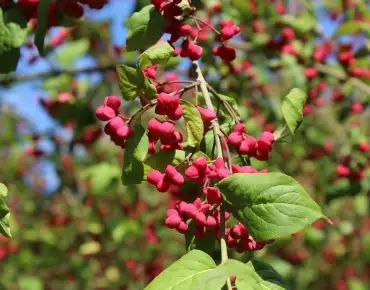
Seven Sons Flower - Heptacodium miconioides
Main features
The Seven Sons Flower (Heptacodium miconioides), often called the “tree of seven sons of heaven”, is a rare and ornamental shrub from China. It is especially valued for its late flowering from August to October, when most shrubs have already finished blooming. The small, star-shaped white flowers exude a fragrance reminiscent of jasmine and provide nectar for bees and butterflies late in the season. After flowering, the calyces turn a rich purplish-pink, creating the illusion of a second bloom that lasts until frost.
Its exfoliating orange bark, glossy green foliage turning purple in autumn, and natural multi-stemmed habit make it a four-season plant. Exceptionally hardy, withstanding –25 °C and even –34 °C once established, it is a reliable choice for European gardens.
Origin and characteristics
Origin : China (Zhejiang, Hubei), rare in the wild.
Family : Caprifoliaceae.
Key traits : Autumn flowering, fragrant blossoms, colourful calyces, decorative bark.
Description : Deciduous shrub, often multi-stemmed, combining fragrance, seasonal colour, and winter bark interest.
Mature height : 3–4 m.
Mature spread : 2–3 m.
Habit : Bushy, multi-stemmed.
Bark : Orange, peeling with age.
Leaves : Glossy green, purple in autumn.
Growth rate : Moderate to fast.
Hardiness : –25 °C to –34 °C.
Flowering and ornamental value
From late August to October, large clusters of white star-shaped flowers appear, strongly scented and attractive to pollinators. As the flowers fade, the calyces take over, turning deep pink to purple, extending the display until winter. In the cold months, the peeling bark provides additional beauty.
Site and soil
Exposure : Full sun or partial shade.
Soil : Ordinary to slightly acidic, fertile, fresh but well-drained.
Planting and care
Plant in loosened, compost-enriched soil and water well. Space plants 2–3 m apart.
Watering : Regular watering during establishment; later drought tolerant but best on fresh soils.
Pruning : Light pruning in late winter to remove dead wood. Can be trained as a shrub or small tree.
Garden uses
Ideal as a specimen plant, in mixed borders, or in informal hedges. Pairs beautifully with autumn shrubs like Hydrangea paniculata or Callicarpa.
Seven Sons Flower (Heptacodium miconioides) is a spectacular shrub offering exceptional decor from summer to winter. Its fragrant, late flowering attracts pollinators, its pinkish sepals prolong the ornamentation, its purple autumn foliage and exfoliated bark bring a unique charm. Very hardy and adaptable, it fits equally well in isolation or in a clump. Rare in cultivation, it immediately attracts the attention of botany enthusiasts and gardeners looking for originality. This multi-season shrub, both robust and elegant, is a real asset in any ornamental garden.



 As soon as you place your order your plants are selected
 Each order is processed individually.
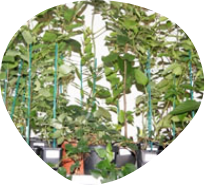 Plants are packed, staked and labeled.
 Packaging is carefully implemented to avoid any problems.
 Packages are ready to be shipped.