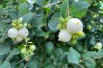
Snowberry (Symphoricarpos albus)
Main interest
The Snowberry (Symphoricarpos albus) is a deciduous shrub best known for its pearl-like white berries that brighten gardens in autumn and winter. Native to North America, it was introduced to Europe in the 19th century and has since become a staple in hedges, parks, and naturalistic plantings. Its summer flowers attract pollinators, while its berries, though toxic to humans, are eaten by birds. With its robustness, rapid growth, and tolerance of poor soils and shade, the snowberry is an excellent choice for both beginner gardeners and public landscaping.
Origin and characteristics
-
Native range: North America (Canada, USA)
-
Family: Caprifoliaceae
-
Height/spread: 1.50–2 m, suckering habit, dense thickets
-
Leaves: Oval, light to bluish green, deciduous
-
Hardiness: Down to –30 °C
-
Growth: Fast, colonising
Flowering and fruiting
-
Flowering: June–August, small bell-shaped flowers, white to pinkish
-
Pollination: Nectar source for bees, bumblebees, butterflies
-
Fruits: White, waxy berries in clusters, decorative until winter
-
Note: Toxic to humans, eaten by birds
Exposure and soil
-
Light: Sun, partial shade, tolerates deep shade
-
Soil: Very adaptable, including poor or chalky soils
-
Use: Ideal for slopes, woodland edges, urban gardens
Planting
Watering
Pruning
Propagation
Garden uses
-
Hedges, borders, slopes, underplanting
-
Combines well with hibiscus, buddleia, viburnum
Pests and diseases
Tips for success
Plant in well-drained soil, prune regularly, and allow it to spread naturally for wildlife-friendly hedges.
The Snowberry (Symphoricarpos albus) is a versatile shrub that combines ornamental beauty with ecological value. Its clusters of white berries, resembling pearls, provide winter interest and brighten gardens long after leaves have fallen. Native to North America, it adapts easily to European climates, tolerating poor soils, shade, and urban pollution. Its summer flowers attract bees and other pollinators, while its berries feed birds, supporting biodiversity. Hardy down to –30 °C and requiring little maintenance, it is ideal for hedges, slopes, naturalistic plantings, and public spaces. Regular pruning encourages vigorous new growth and abundant berry production. Whether used in a wildlife-friendly hedge, a mixed border, or a city garden, the snowberry offers resilience, beauty, and ecological benefits. For gardeners seeking a low-maintenance yet striking shrub, Symphoricarpos albus is a reliable choice that enhances landscapes throughout the seasons.



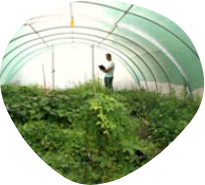 As soon as you place your order your plants are selected
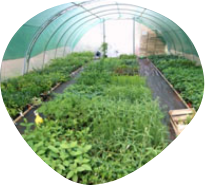 Each order is processed individually.
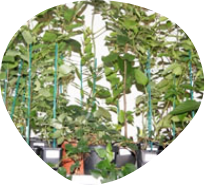 Plants are packed, staked and labeled.
 Packaging is carefully implemented to avoid any problems.
 Packages are ready to be shipped.