

- novelty
- New


Witch hazel Robert
Hamamelis intermedia Robert
Magnificent Hamamelis intermedia 'Robert', a witch hazel featuring a unique coppery orange winter bloom and an enchanting fragrance. This hardy shrub brightens your garden from January and offers stunning autumn colors.
Description
Height at maturity
3 to 4 m
Wingspan at maturity
3 to 4 m
Exposure
Sun, partial shade
Flowering
January and February
Hardiness
-20°C
Origin
horticultural cross
Witch hazel Robert - Hamamelis intermedia 'Robert'
Main interest
The Witch hazel 'Robert' is an absolutely exceptional ornamental shrub, a true gem for gardens during the winter season. Its most impressive distinctive feature is its spectacular flowering that occurs in the heart of winter, when most of the garden is still dormant. The flowers, of an intense coppery orange turning red at the base, look like small crinkled ribbons that seem to defy snow and frost. Beyond its visual beauty, this cultivar gives off a sweet fragrance that can perfume an entire area of the garden on sunny January days. Its landscape utility is twofold, because after illuminating the winter, it offers a second show in the autumn with flamboyant foliage turning shades of ochre and purple. Its vase-like structure provides an architectural element that offers garden interest throughout the entire year.
Origins and characteristics
Geographic origin :
The Hamamelis intermedia is the result of a horticultural cross between two Asian species, one native to Japan and the other to China. The specific cultivar 'Robert' was selected for the rich color of its flowers and its vigorous growth. This hybridization allowed for combining the hardiness of the parents with a more generous and colorful blooming period.
Botanical family :
This shrub belongs to the Hamamelidaceae family, which groups woody plants renowned for their winter flowering or remarkable autumn colors. Close genera like Parrotia or Fothergilla are found in this family, sharing similar ecological needs. Members of this family are often appreciated for the quality of their wood and the graphic structure of their branches.
Notable features :
Historically, witch hazels were used by indigenous populations for their medicinal virtues, notably for their astringent and soothing properties. The 'Robert' variety stands out for its ability to hold its flowers for a very long time, even in severe negative temperatures. It is a plant that embodies patience and resistance, symbolizing renewal amidst the winter grayness.
Description and specificities :
Adult height
At maturity, this shrub generally reaches a height between 3 and 4 meters (10-13 feet). Its growth is relatively slow, which allows you to watch it evolve serenely without fearing it will become invasive too quickly. This intermediate size makes it perfectly suited for urban gardens or structured shrub borders.
Adult width
The wingspan of the 'Robert' witch hazel also oscillates between 3 and 4 meters, giving it a balanced silhouette. Its branches extend laterally with elegance, creating a generous volume that requires some clearing to be fully appreciated. It is important to plan for this space right from planting to avoid disorganized competition with other plants.
Habit
The habit is typically funnel-shaped or vase-shaped, with main branches that soar upwards before spreading out. This airy structure allows light to penetrate to the heart of the shrub, highlighting the flowering on bare wood. It is a very graphic shape that remains aesthetic even during the winter dormancy period.
Bark
The bark is a smooth gray-brown on young subjects, taking on a slightly rougher texture with age. It does not present a major ornamental character, but its sobriety serves as a perfect backdrop for the bright flowers. The twigs are flexible and robust, easily supporting the weight of flowers and occasional snowfall.
Foliage
The deciduous foliage consists of oval leaves, a fresh green during the summer period, somewhat reminiscent of those of the common hazel. The major interest lies in its autumn mutation, where the leaf blades take on absolutely magnificent vivid orange and red tints. The falling leaves then free the branches to make way for the winter bloom.
Growth
The growth rate is moderate, which is a guarantee of longevity and solidity for the wood. The shrub takes time to anchor itself well and develop a high-performance root system before expanding. This regularity allows for maintaining a harmonious shape without requiring repeated pruning interventions.
Hardiness
Witch hazel 'Robert' shows excellent hardiness, withstanding frosts down to -20 °C (-4 °F) without damage. Its flowers possess the unique ability to curl up during extreme cold to protect themselves, then unfold again at the first thaw. This makes the shrub perfectly adapted to temperate and continental climates.
Flowering and fruiting :
Flowering period
Flowering generally takes place between the months of January and February, sometimes starting as early as late December depending on the mildness of the climate. It lasts for several weeks, offering a persistent colorful show in the middle of winter. It is one of the few shrubs to bloom so intensely during this quiet period in the garden.
Flower description
The flowers are composed of four narrow and ribbon-like petals, of a deep coppery orange with a purple heart. They are grouped in small clusters along the branches of the previous year, creating a colored cloud effect. Their original texture and warm color bring a welcome brightness under a gray winter sky.
Fruits
The fruits are woody capsules containing black seeds that are expelled with force upon maturity. Although discrete and without particular ornamental interest, they participate in the natural cycle of the plant. Their presence is often masked by the new spring foliage that develops shortly thereafter.
Melliferous or attractive characteristics for fauna
Despite the early season, witch hazel flowers can attract the rare pollinating insects that venture out on mild days. Its dense structure also offers a precious winter shelter for small garden birds. It is a plant that actively participates in supporting local biodiversity during times of food scarcity.
Exposure :
Ideal exposure :
This shrub flourishes fully in a sunny or partially shaded exposure. Sun is particularly important to guarantee abundant flowering and brilliant autumn colors. A situation sheltered from dominant winds is preferable to protect the delicate scent of the flowers in winter.
Planting
Advice for preparing the soil :
Well-prepared soil is the key to a successful recovery for this shrub which is demanding on substrate quality. It is advisable to provide a generous supply of organic matter in the form of compost or ericaceous soil to enrich the environment. Since our plants are supplied in pots, planting is possible year-round, ensuring regular watering for establishment.
Spacing between plants :
To respect the natural development of 'Robert', allow a distance of 3 meters (10 feet) from other large shrubs. This allows for optimal air circulation and prevents branches from intertwining in a messy fashion. Sufficient spacing will also showcase its very particular vase-like habit.
Nature of the soil :
Witch hazel prefers acidic to neutral soils, rich in humus and remaining fresh during the summer. It fears above all active limestone which can cause yellowing of the foliage (chlorosis) and weaken the plant. A draining soil but capable of retaining some residual humidity is ideal for its fulfillment.
How to plant :
Dig a pit twice as wide as the root ball and install the shrub, making sure not to bury the collar. Fill with a mixture of garden soil and ericaceous compost, then tamp lightly to eliminate air pockets. Discrete staking can be installed to stabilize the plant during its first year of growth.
Watering
Water needs at planting :
During the months following planting, regular watering is essential to promote deep rooting of the ball. Care must be taken so that the earth never dries out completely, especially if planting takes place in spring or summer. A weekly generous water supply is generally sufficient to maintain the necessary freshness.
Water needs at maturity :
Once established, 'Robert' witch hazel retains a need for freshness at the base, particularly during episodes of summer drought. Supplemental watering during high heat will preserve the quality of the foliage and guarantee the formation of future flower buds. Installing a pine bark mulch is highly recommended to limit evaporation.
Pruning
When and how to prune :
Pruning of witch hazel should be minimal, as the shrub heals slowly and naturally possesses a harmonious habit. Intervene just after flowering, in early spring, only to remove dead wood or misplaced branches. Avoid severe pruning which could compromise the following year's flowering.
Multiplication
Possible propagation methods :
Multiplication of this cultivar is mainly done by grafting onto a species-type rootstock, often Hamamelis virginiana. Layering is also possible but remains a very long technique, requiring several years before obtaining an autonomous plant. Sowing is not practiced for the 'Robert' cultivar to ensure flower fidelity.
Garden uses
Ideal location for the plant :
Place this witch hazel in a frequently visited place in winter, such as near a house entrance or a path, to enjoy its fragrance. It is magnificent when planted as a specimen on a lawn or at the back of a border. A background of dark evergreen foliage will bring out the clarity of its orange flowers.
Recommended plant associations :
It pairs perfectly with early bulbs like snowdrops or cyclamen coum that bloom at its feet. Evergreen shrubs like camellias or skimmia will complete the winter decor. In autumn, light grasses will highlight the flamboyant aspect of its foliage.
Traditional uses :
Although this cultivar is purely ornamental, it belongs to a lineage recognized for its medicinal skin properties. Witch hazel water is still used today in cosmetics for its toning and soothing virtues. In the garden, it traditionally represents hope and light in the heart of the cold season.
Historical or cultural uses of the plant
The witch hazel is often so named because of its leaves' resemblance to the hazel tree and its "magical" blooming in the middle of winter. Water diviners once used its flexible Y-shaped branches to detect underground water sources, giving it a mystical aura. In the language of flowers, it symbolizes a charm that cannot be resisted, much like its enchanting bloom.
Protection against diseases and pests :
Possible sensitivities
'Robert' witch hazel is generally robust, but can be subject to powdery mildew in cases of particularly humid and hot summers. It can also suffer from iron chlorosis if the soil is too calcareous, which results in yellowing of the leaves. Insect attacks are rare and seldom detrimental to the health of the shrub.
Prevention advice and natural treatments
To prevent powdery mildew, take care not to wet the foliage when watering and ensure good air circulation around the plant. In case of slightly calcareous soil, a regular intake of acidic organic matter can help maintain a favorable pH. Horsetail decoctions can be used preventively to strengthen leaf tissues against fungi.
Advice for good development :
Practical tips for promoting good development
Avoid moving the witch hazel once it is installed, as it hates root trauma and would take a long time to recover. An annual supply of compost in autumn will nourish the soil and protect the roots from superficial cold. Monitor soil humidity well during the first three summers; this is the critical period to ensure the subject's durability.
Cultivar differences and specificities
The 'Robert' cultivar distinguishes itself from other hybrid witch hazels by its particularly coppery and luminous orange color, less yellow than 'Jelena' and less red than 'Diane'. Its fragrance is also reputed to be more powerful than average, making it one of the best choices for a sensory garden. Its silhouette is often more spread out and regular, offering a neater appearance from a very young age.
Summary
Hamamelis intermedia 'Robert' is the ideal choice for bringing color and fragrance in winter. This witch hazel seduces with its coppery orange flowers and flamboyant autumn foliage. Hardy and easy to maintain, it constitutes a durable investment to transform your garden into a true haven of peace during the coldest months.
Features
- Common name : Witch hazel Robert
- Family : Hamamelidaceae
- Category : shrub
- Spread : 3 to 4 m
- Foliage : deciduous
- Color of flowers : deep coppery orange with a purple center
- Use : isolated - shrubbery - hedge
- Soil : neutral to acid
- Habit : bushy
- Growth : average
- Enemies : nothing to report
- Possible diseases : powdery mildew - iron chlorosis
- Photo taken : Kalmthout Arboretum Botanical Garden
Expédition & livraison
How does the delivery work?
 As soon as you place your order your plants are selected
 Each order is processed individually.
 Plants are packed, staked and labeled.
 Packaging is carefully implemented to avoid any problems.
 Packages are ready to be shipped.
Our delivery methods
Shipping of our plants throughout Europe (except overseas and islands).





Customer reviews
Nobody has posted a review yet
in this language
16 other products in the same category:
Lilac Madame Florent Stepman
Syringa vulgaris Madame Florent Stepman
Plant height
30/40 cm in a 1 liter pot
Edward Goucher glossy abelia
Abelia grandiflora Edward Goucher
Plant height
30/40 cm in 3 liter pot
- Pick up on site
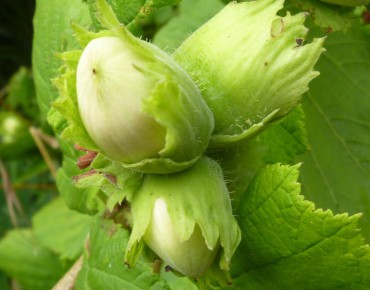
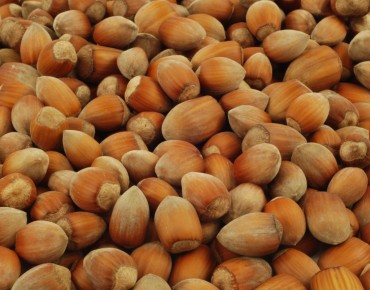
Fertile de Nottingham Hazel tree
Corylus avellana Fertile de Nottingham
Plant height
60/80 cm in 1,5 liter pot
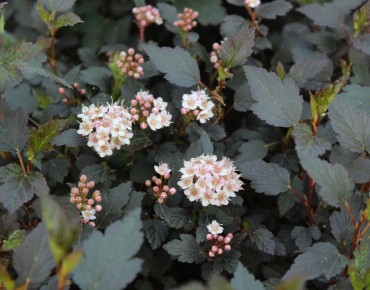
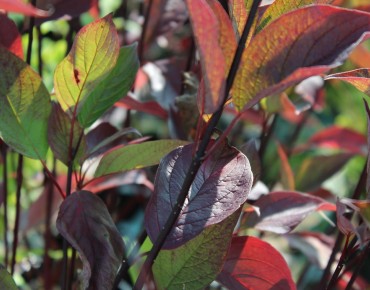

Dwarf Weigelia Black and White® (in 3 liter pot)
Weigelia Black and White® 'Courtacad1'
Plant height
30/40 cm in 3 liter pot
- novelty
- Pick up on site
Virginia sweetspire Henry's Garnet
Itea Virginica Henry's Garnet
Plant height
50/60 cm in 3,5 liter pot
- Pick up on site