• Wayfaring tree
  • Wayfaring tree
  • Wayfaring tree
  • Wayfaring tree
  • Wayfaring tree
  • Wayfaring tree
  • Wayfaring tree
  • Wayfaring tree

Wayfaring tree

Viburnum Lantana

Viburnum lantana is a hardy and majestic shrub native to Europe and Western Asia. It is known for its supple branches used in basketry and for its abundant nectar-rich flowers.
€6.30
Tax included
Quantity

  • Delivery expected from 02/10/2026 if ordered before 12:00 p.m.
Paiement sécurisé

Description

Height at maturity 3 - 4 m
Wingspan at maturity 2 - 3 m
Exposure Sun, partial shade
Flowering April-May-June
Hardiness -30°C
Origin Asia (southwest) - Europe

Wayfaring tree - Viburnum lantana

(deciduous ornamental shrub, bee-friendly and decorative)

Origins and characteristics

The Wayfaring tree is a botanical species belonging to the Adoxaceae family, just like the elder and other viburnums.

It is distinguished by its incredible robustness, extreme hardiness, and ability to thrive on a wide variety of soils, including chalky ones.

Description and features

  • Mature height: 3 to 4 metres
  • Width: 2.5 to 3 metres
  • Habit: Rounded, ample, and bushy
  • Foliage: Deciduous, dark green, coarsely toothed, downy underside, turning beautiful red shades in autumn
  • Flowering: From April to June
  • Flowers: Dense flat corymbs of small, white, fragrant, and nectar-rich flowers
  • Fruit: Berries changing colour (green, yellow, pink, red, then black), very attractive to birds
  • Hardiness: Exceptional (down to -30 °C)

Exposure and soil

  • Exposure: Sun or partial shade
  • Soil: All soil types, even poor or chalky, preferably fresh but well-drained
  • Tolerances: Drought resistant once well-established, withstands high summer heat

Planting

  • Period: All year round excluding periods of frost and heatwaves; ideally in autumn or spring
  • Preparation: Add mature compost when planting to encourage good rooting

Watering

  • After planting: Regular watering during the first two years
  • Subsequently: Very low maintenance, water only during prolonged drought

Pruning

  • When to prune?: After fruiting or in late winter
  • How to prune?:
  • Thin out the centre of the shrub to promote air circulation
  • Remove dead or weak wood
  • Can be cut back slightly to contain growth if necessary

Propagation

  • By seed: Long and delicate, requires stratification
  • By cuttings: Semi-ripe cuttings in summer
  • By layering: Easy in spring

Garden use

Viburnum lantana is perfect for:

  • Back of borders thanks to its volume and spectacular flowering
  • Informal hedges combined with other berry shrubs (elder, oleaster, spindle)
  • Planting in natural areas or wild gardens to attract wildlife
  • Banks or edges thanks to its high resistance to difficult conditions

Protection against diseases

  • Naturally resistant plant
  • Little susceptibility to diseases
  • Sometimes a few aphids or powdery mildew in very humid conditions, without major seriousness

Tips for good development

  • Choose a sunny spot to encourage flowering and fruiting
  • Avoid waterlogged soils
  • Perform light pruning to encourage branching and maintain a harmonious habit
  • No need for excessive fertiliser; moderate annual fertilisation is sufficient

Viburnum lantana, the Wayfaring tree, is a reliable choice for structuring the garden while offering long-lasting decorative interest.

Equally rich in nectar, nourishing for birds, hardy, and aesthetic, it is a valuable ally for creating living and ecological hedges, or for brightening up natural-style gardens.

The planting of the Wayfaring tree is carried out all year round, as long as it is accompanied by regular watering. Undemanding, it even adapts to limestone soils. Ideal at the bottom of a shrub bed to delimit a land and associated with the Wintercreeper Silver Queen at its base, or mixed with other berry shrubs such as Black elder or Thorny Silverberry, Viburnum lantana will make up a very decorative hedge that will be the feast of birds.

Features

  • Common name : Wayfaring tree
  • Family : Caprifoliaceae
  • Category : shrub
  • Spread : 2 - 3 m
  • Foliage : deciduous
  • Color of flowers : white
  • Fruit : inedible berries
  • Use : isolated - shrubbery - flowering hedge
  • Soil : all
  • Habit : Rounded
  • Earth to use : universal potting soil/garden soil/compost
  • Density per m² : 1
  • Enemies : whitefly - weevil - aphid
  • Possible diseases : armillary - black spots

Expédition & livraison

How does the delivery work?

  • Step 1 As soon as you place your order your plants are selected
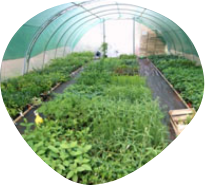
  • Step 2 Each order is processed individually.
  • Step 3 Plants are packed, staked and labeled.
  • Step 4 Packaging is carefully implemented to avoid any problems.

  • Step 5 Packages are ready to be shipped.

Our delivery methods

Shipping of our plants throughout Europe (except overseas and islands).

Customer reviews

Nobody has posted a review yet in this language

Be the first to write your review !