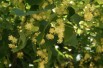
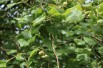
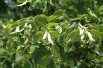
Large-leaved lime
Tilia platyphyllos
(Large deciduous tree, attractive to bees and ornamental)
The Large-leaved Lime (Tilia platyphyllos) is a majestic tree native to Europe and Western Asia, prized for its abundant heart-shaped foliage, exceptional longevity, and fragrant summer blossoms.
Description
Height at maturity
20 to 25 m
Wingspan at maturity
Exposure
Sun, partial shade
Flowering
June - July
Hardiness
-25°C
Origin
European and Asian
Tilia platyphyllos – Large-leaved lime
Origins and characteristics
Native species in France and much of Europe, the large-leaved lime is one of the most hardy and long-lived trees, capable of surviving for 500 to 1000 years. It belongs to the Malvaceae family. It is often found in towns for its shading qualities, cold resistance and value as a nectar source.
Description and features
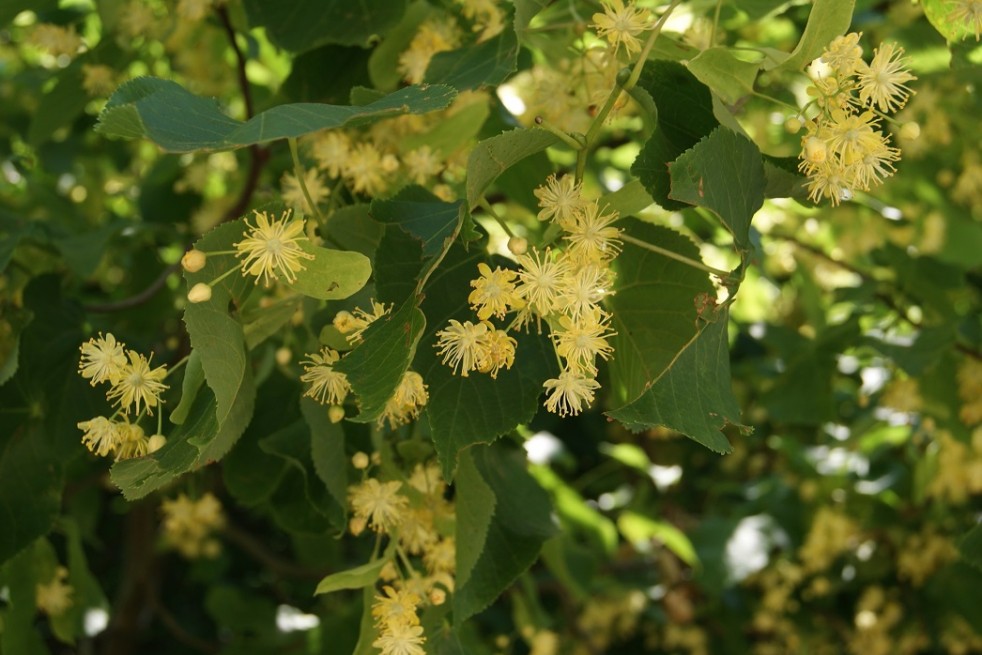
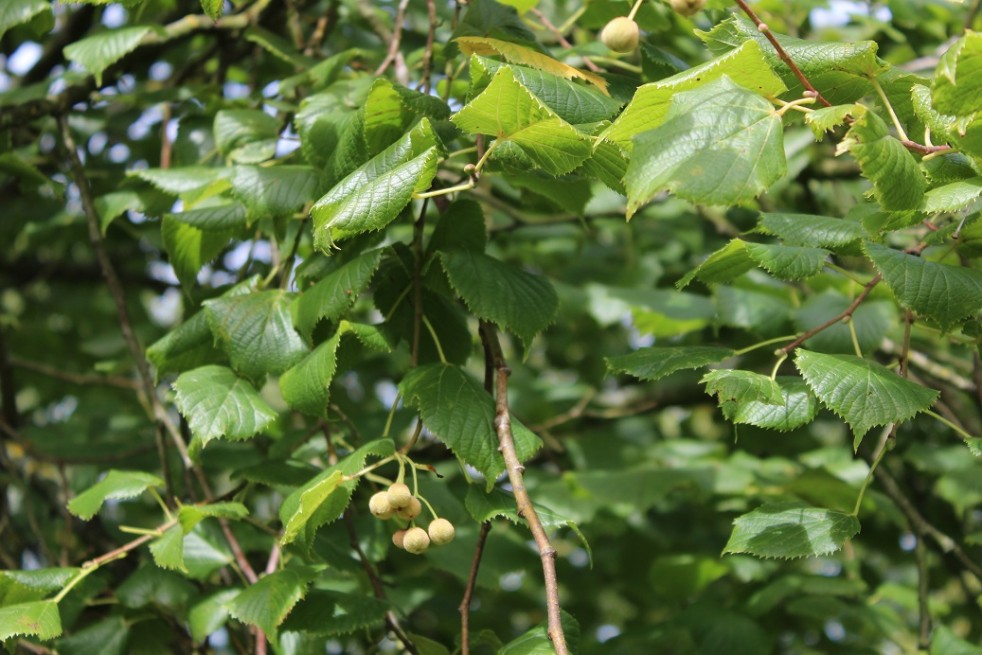
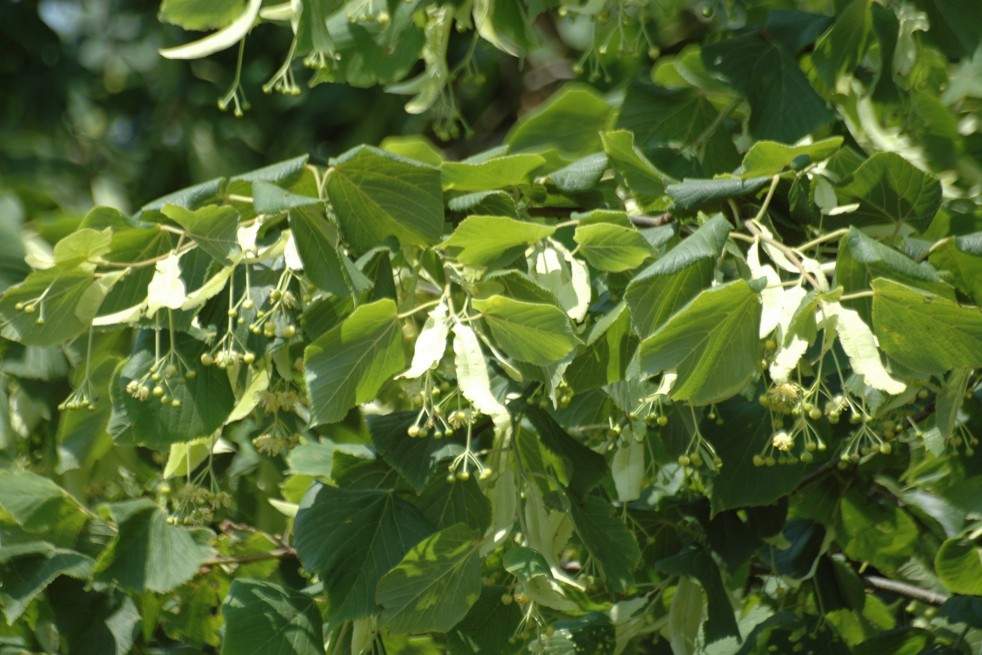
This large deciduous tree has a light-grey trunk, smooth at first and later fissured with age. The crown is broad, dense and rounded. Leaves are heart-shaped, dark green above, lighter and slightly downy beneath, up to 15 cm long. In June–July, very fragrant flowers appear, cream-white to pale yellow, grouped in drooping cymes of 2 to 4. They attract bees in large numbers and are renowned in herbal medicine for calming infusions.
- Adult height: 20–25 m (more under optimal conditions)
- Width: 10–12 m
- Habit: Majestic, upright then rounded
- Foliage: Deciduous, broad, dark green, golden in autumn
- Bark: Light grey, smooth, then fissured
- Growth: Medium to fast
- Hardiness: Excellent (down to –25 °C)
Flowering and nectar value
- Flowering: June to July
- Flowers: Small (1–2 cm), cream-white to pale yellow, very fragrant
- Arranged in cymes of 2–4 flowers, borne by a long bract
- Scent: Sweet, intoxicating
- Nectar source: Highly attractive to bees (lime honey = light and floral)
- Herbal uses: flowers, leaves, and sapwood for infusions
Exposure and soil
- Exposure: Sun or partial shade
- Soil: All types of deep soils, fresh to moderately dry
- Prefers rich, humus soils, well-drained
- Tolerates limestone soils or slightly compact soils
Planting
- Best period: Autumn or spring
- Allow wide spacing for adult development (10–12 m wide)
- Generous watering at planting, especially in dry soil
- Mulching recommended to maintain soil freshness in the first years
Watering
- Regular during the first 2 years
- Then tolerates dry periods well thanks to deep rooting
- Prefers fresh soil but withstands occasional drought
Pruning
- Low maintenance: formative pruning possible in winter on young specimens
- In rows or urban areas: light maintenance pruning to contain the crown
- Avoid repeated severe pruning (stress reactions)
Propagation
- By seed (slow to germinate, spring germination after stratification)
- By grafting for certain horticultural varieties
- By layering (rarely practised)
Garden uses
The large-leaved lime is ideal for:
- Shade in lawns or large family gardens
- Row planting along avenues, streets
- Entrance or ornamental tree in parks or rural estates
- Public spaces or natural gardens
- Nectar tree for biodiversity
Disease protection
- Resistant and not very sensitive
- Monitor in case of excessive humidity:
- Aphids (honeydew in spring)
- Leaf spots or occasional powdery mildew
- Good tolerance to urban pollution
Tips for optimal growth
- Choose a open, sunny location
- Provide space for the adult crown
- Add compost or soil improver at planting
- Allow natural growth or shape according to use
Tilia platyphyllos, or large-leaved lime, is a majestic, durable and highly ornamental tree, perfect for shade, fragrance and structure in large spaces. Its nectar-rich flowering, generous foliage and timeless charm make it a must-have in parks, large gardens and traditional avenues.
Features
- Common name : Large-leaved lime
- Family : Tiliaceae
- Category : tree
- Spread :
- Foliage : deciduous
- Use : isolated - shrubberry - alignment
- Soil : all
- Habit : pyramidal
- Earth to use : universal potting soil/garden soil/compost
- Enemies : Caterpillars, dictylas, aphids, spiders and Japanese beetles
- Possible diseases : powdery mildew, bacterial leaf spot and anthracnose
Expédition & livraison
How does the delivery work?
 As soon as you place your order your plants are selected
 Each order is processed individually.
 Plants are packed, staked and labeled.
 Packaging is carefully implemented to avoid any problems.
 Packages are ready to be shipped.
Our delivery methods
Shipping of our plants throughout Europe (except overseas and islands).





Customer reviews
Nobody has posted a review yet
in this language
16 other products in the same category:
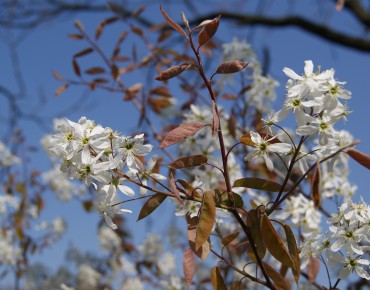
Canadian serviceberry Glenform Rainbow Pillar
Amelanchier Canadensis Glenform Rainbow Pillar
Plant height
80/100 cm in 5 liter pot (only in Click and collect)
- -10%
- Pick up on site
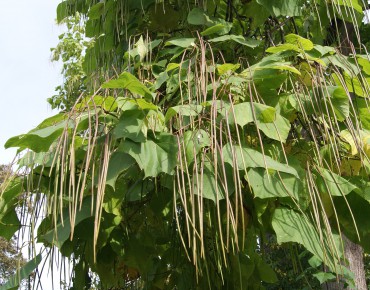
Indian-bean tree
Catalpa Bignonioides
Plant height
120/150 cm in 5 liter pot (only in Click and collect)
- -10%
- Pick up on site
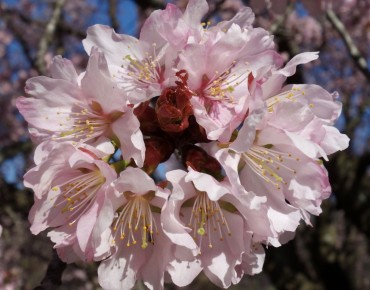
- novelty

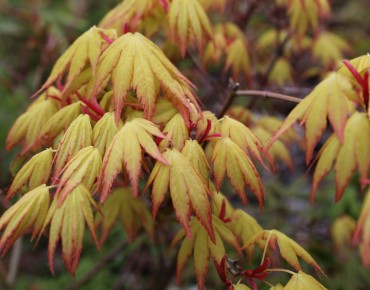
- novelty
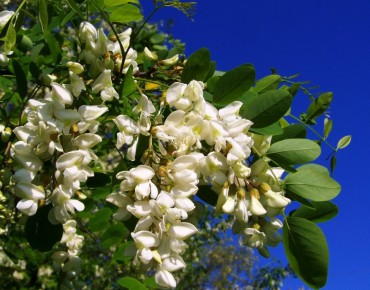
Twisty Baby Black Locust
Robinia pseudoacacia Twisty Baby®
Plant height
90/100 cm in 2 liter pot (Grafted plant)
- -10%
- Pick up on site
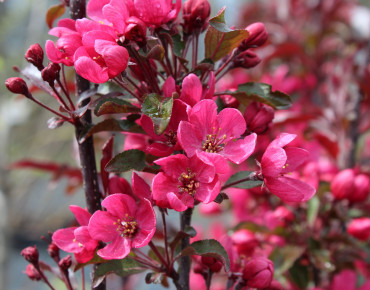
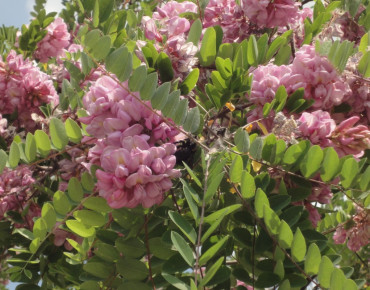
Pink-flowered locust tree
Robinia Margaretta Georgia da Torino®
Plant height
50/60 cm in 2 liter pot (Grafted plant)