- New



A bright ornamental tree with yellow‑variegated foliage evolving from spring to autumn. Hardy, elegant and pyramidal, ideal for acidic to neutral gardens and a striking focal point.
Description
The Variegated American Sweetgum, Liquidambar styraciflua ‘Aurea’, is a remarkable ornamental tree known for its yellow‑variegated foliage. This bright cultivar brings a luminous touch to gardens from spring to autumn. At budbreak, young leaves emerge soft green, heavily marbled with pale yellow and pink. In summer, the variegation intensifies and stabilises, giving the tree an elegant golden appearance that lights up borders and avenues. In autumn, the tree reveals its full splendour: the variegated leaves gradually turn deep gold, amber, copper, sometimes orange‑red to scarlet, creating a flamboyant display typical of Liquidambar. Its slender, naturally pyramidal silhouette makes it ideal for structuring a garden or creating a vertical focal point without taking up too much ground space. Its high hardiness (down to -23 °C) allows planting in many regions, while its medium growth ensures a balanced and controlled development. Adapted to acidic to neutral soils, it thrives in fresh, well‑drained ground. The ‘Aurea’ cultivar combines beauty, originality and reliability, while retaining the noble presence of the classic sweetgum.
Geographical origin: Species native to North America. An old horticultural cultivar, resulting from a variegated mutation selected in nurseries for its golden variegation, with no officially identified breeder
Botanical family: Hamamelidaceae.
Notable features: Unique yellow variegation, spectacular autumn colours, elegant pyramidal habit, excellent hardiness.
Mature height: 8 to 9 m.
Mature spread: 3 to 5 m.
Habit: Pyramidal, slender, regular.
Bark: Grey‑brown, becoming fissured and slightly corky with age.
Foliage: Deciduous, palmately lobed, yellow‑variegated in spring and summer, then yellow‑orange to copper‑red in autumn.
Growth: Medium, regular.
Hardiness: Around -23 °C.
Flowering period: Spring, discreet.
Flowers: Small greenish flowers in spherical clusters, not very visible.
Fruits: Round, spiky capsules, decorative, sometimes persistent into winter, wind‑dispersed.
Melliferous value: Low nectar interest, but fruits may attract birds.
Ideal exposure: Full sun to bright partial shade, light enhances variegation.
Suitable soil: Acidic to neutral, fresh, deep, well‑drained, slightly humus‑rich.
Soil preparation: Loosen deeply, add mature compost, avoid calcareous soils, improve drainage if needed.
Spacing: 4 to 6 m depending on use (specimen, avenue, border).
Soil nature: Acidic to neutral, fresh, drained, non‑calcareous, slightly clayey if well structured.
How to plant: Container plants can be planted year‑round outside frost. Set the collar at soil level, water thoroughly, mulch to retain moisture.
At planting: Regular watering to keep soil fresh, especially in the first weeks.
At maturity: Moderate, but appreciates slightly moist soil in summer.
When and how: Generally unnecessary. If needed, prune in late winter to remove misdirected branches or maintain shape. Avoid heavy pruning that disturbs the natural form.
Methods: Semi‑ripe cuttings, grafting onto Liquidambar styraciflua to preserve variegation.
Ideal placement: Specimen tree, avenue planting, large border, contemporary or natural garden, luminous focal point.
Recommended companions: Heathers, rhododendrons, Japanese maples, hydrangeas, ferns, acid‑loving plants.
Traditional uses: The species was used for aromatic resin, but ‘Aurea’ is mainly ornamental.
Possible sensitivities: Generally healthy, sometimes aphids or leaf spots in humid conditions.
Prevention: Good airflow, water at the base, mulch, black soap against aphids, avoid stagnant humidity.
Plant in acidic to neutral, fresh but drained soil, in full sun for optimal variegation. Mulch to retain moisture, avoid lime, water during the first summers. Provide enough space for its pyramidal habit.
The ‘Aurea’ cultivar stands out for its stable, bright yellow variegation, absent in the species. Its seasonal colour evolution—from soft spring yellow to golden and coppery autumn tones—makes it decorative year‑round. Its moderate size and regular habit suit modern or smaller gardens.
The Variegated American Sweetgum – Liquidambar styraciflua ‘Aurea’ is an ornamental tree known for its rare yellow‑variegated foliage. Its pyramidal shape and medium growth make it ideal for structuring a garden without taking too much space. Hardy to -23 °C, it thrives in acidic to neutral, fresh and well‑drained soils. Its foliage evolves through the seasons: soft yellow at budbreak, golden in summer, then flamboyant in autumn with shades of gold, amber and copper. Low‑maintenance, it is perfect as a specimen, in avenues or in contemporary gardens. Its unique colouring and natural elegance bring light and verticality to green spaces.
Shipping & delivery
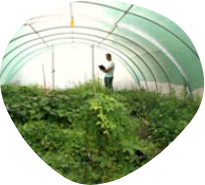 As soon as you place your order your plants are selected
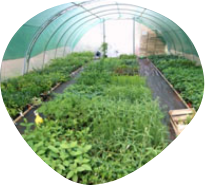 Each order is processed individually.
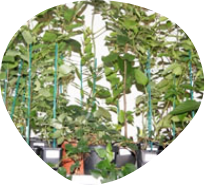 Plants are packed, staked and labeled.
 Packaging is carefully implemented to avoid any problems.
 Packages are ready to be shipped.
We ship our plants throughout Europe (excluding overseas territories and islands).
Avis clients


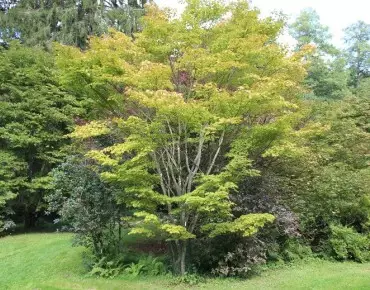


A bright ornamental tree with yellow‑variegated foliage evolving from spring to autumn. Hardy, elegant and pyramidal, ideal for acidic to neutral gardens and a striking focal point.
Your cart is empty
Continue shopping