




- Out of stock


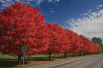
The Red Maple 'Bumblebee'®, a small compact 4-5 m tree with a rounded habit, famous for its flaming orange and red autumn colours. Very melliferous, it attracts pollinators from spring.
Description
The Acer rubrum 'Bumblebee'® is a remarkable horticultural selection, a true gem for medium-sized gardens that cannot accommodate the standard species. Its major interest lies in its contained size, reaching a height of 4 to 5 metres with a width of approximately 2 to 3 metres, thus offering an elegant solution where space is at a premium. Unlike its giant cousins, this cultivar presents a compact and rounded habit, forming a dense and harmonious green ball from a young age. Its name, 'Bumblebee', underlines its crucial ecological role: it is a magnet for pollinating insects in early spring, offering a vital source of nectar. But it is in autumn that this tree reveals its full genius, with a spectacular and predictable coloration. The foliage undergoes an intense chromatic mutation, turning from glossy green to flaming orange to finish in a scarlet red of a rare brilliance. It is a tree that adds a solid architectural structure to the garden while guaranteeing an unmatched seasonal natural show, without ever becoming intrusive for surrounding structures.
The original species is native to eastern North America, but the 'Bumblebee'® cultivar is the result of rigorous selection aimed at isolating individuals with moderate growth and more stable autumn tints. It is perfectly adapted to temperate European climates, withstanding seasonal variations well.
This maple belongs to the Sapindaceae family. This family groups woody plants whose sap is often rich in sugars, and which share the iconic palmate leaf structure and winged fruits designed for wind dispersal.
The name 'Bumblebee'® is a registered trademark ensuring plant uniformity. Its singularity rests on its early attractiveness for biodiversity: its flowers are among the first food sources for bumblebees emerging from hibernation, making it a pillar of the ecological garden.
At maturity, the Red Maple 'Bumblebee'® stabilises between 4 and 5 metres. This modest height is one of its most valuable characteristics, as it allows one to enjoy the splendour of a Canadian maple without the pruning constraints or excessive shade associated with wild varieties.
Its span is also limited, oscillating between 2 and 3 metres. Its silhouette thus remains proportioned and does not require repeated pruning to limit its spread. This lateral compactness is ideal for small urban gardens or for planting near a terrace.
It presents a rounded and globular habit, very well branched from the base. This natural shape is much denser and more regular than that of the type species, giving it the look of a very neat green dome, even without human intervention to sculpt its silhouette.
The bark is a smooth silvery-grey on young specimens, bringing a welcome clarity to the garden during winter. Over the years, it takes on a more matte and slightly wrinkled texture, yet remains finer and more delicate than that of large forest maples, which reinforces its precious aspect.
The foliage is deciduous, composed of palmate leaves of a deep and glossy green in summer. The reverse is slightly bluish. The autumn mutation is its signature: it literally ignites, passing through shades of bright orange and fire red, lighting up the garden even in grey weather.
Its growth rate is medium, which is consistent with its compact nature. It develops with regularity, taking the time to build a solid and well-distributed branch structure, thus avoiding the brittle wood often associated with too fast-growing trees.
It is an extremely robust tree that withstands temperatures down to -35°C. Its cold resistance is excellent, allowing it to be planted in all regions without fear for its survival, even during particularly harsh or prolonged winters.
Flowering is spring-like and early, usually occurring in March or April. It happens on bare wood, just before the leaf buds burst, creating a striking contrast between the grey branches and the tiny red colour bursts appearing across the entire canopy.
The flowers are small, gathered in dense bright red clusters. Although discreet individually, their massive profusion on the bare tree creates a coloured halo effect. They are very rich in nectar, which explains their immediate success with the first pollinating insects of the season.
The fruits are winged samaras, often tinged with red before turning brown. They are designed to whirl in the wind to disperse. Although not edible for humans, these "helicopters" are a playful element of the garden and sometimes serve as a supplementary food source for small birds.
The major asset of 'Bumblebee'® is its exceptional melliferous character for a period when flowers are scarce. It offers an indispensable shelter and pantry for bumblebees and solitary bees, thus promoting the overall biodiversity of your outdoor space from early spring.
It thrives ideally in full sun or light partial shade. Good light is imperative to stimulate the accumulation of sugars in the leaves, responsible for the intensity of the autumn coloration. Too dark an exposure would make the colours less vivid and the habit less dense.
The 'Bumblebee'® maple prefers fresh, deep and acidic soils. It especially fears overly calcareous soils which cause chlorosis. A humiferous soil capable of retaining a certain moisture throughout the year is the perfect substrate to guarantee its health and brilliance.
Sold in pots, it can be planted all year round outside frost. Work the soil deeply to loosen it. If your soil is calcareous, bring in a good dose of ericaceous compost or acidic compost. Ensure drainage is good while retaining water-holding capacity.
For group or alignment planting, provide a spacing of about 3 metres between each subject. This allows each tree to maintain its natural rounded habit without competing with its neighbours, while creating a colourful and harmonious visual continuity.
The soil should be draining but remaining fresh. An intake of well-decomposed organic matter is recommended at planting. The 'Bumblebee'® maple appreciates humus-rich soils that mimic its natural habitat of North American woodlands or fresh edges.
Soak the root ball. Dig a wide hole. Install the plant without burying the collar. Backfill with a mixture of garden soil and compost. Immediate and abundant watering is crucial to chase away air pockets and ensure good root adhesion to the new soil.
During the first two years following planting, regular and followed watering is vital, especially if you plant outside autumn. The root ball must never dry out completely. A weekly water supply during dry periods guarantees deep and healthy root establishment.
Once adult, it remains sensitive to prolonged severe droughts which could scorch its delicate foliage. An organic mulch at the base is strongly advised to maintain soil freshness. In case of heatwave, top-up watering will help preserve the beauty of its future colours.
Pruning is rarely necessary as its rounded habit is naturally balanced. If needed, intervene in winter or late summer. One generally limits oneself to removing dead wood or crossed branches inside the crown to promote light penetration.
As the 'Bumblebee'® cultivar is protected, its multiplication is done by professionals through grafting. Sowing would not reproduce the compactness and colour characteristics of the mother variety. Cuttings are extremely difficult for this species, making the purchase of grafted plants preferable.
It is the ideal tree as an isolated specimen on a lawn or in a small city garden. Its small size also allows it to feature at the back of a border or to be grown in very large containers on a terrace, provided watering and soil richness are scrupulously monitored.
It associates wonderfully with ericaceous plants like Azaleas or Pieris. For an autumn contrast, plant blue Asters or golden Grasses at its base, which will highlight the flamboyance of its red and orange foliage during the Indian summer.
Although 'Bumblebee'® is a recent creation, it carries the heritage of the red maple, a symbol of strength and generosity. Traditionally, sap was harvested for sugar, but this cultivar is primarily celebrated for its modern aesthetic contribution and its direct support to the local insect fauna.
It can be subject to verticillium in poorly drained soil or aphids in spring. Its leaves can sometimes show spots in case of stagnant humidity (mildew). Good air circulation around the tree and adapted soil drastically limit these health risks.
Prevention involves watering at the base without wetting the foliage. In case of aphid attack, a simple water jet or a spray of soft soap is enough. Applying a pine bark mulch helps maintain soil acidity, thus strengthening the natural vigour of the tree.
For maximum coloration, avoid nitrogen-rich fertilisers in late summer, as they promote green leaf growth at the expense of red pigments. An application of well-decomposed compost in spring is more than enough to feed this small, low-maintenance but very rewarding tree.
The 'Bumblebee'® cultivar stands out radically from the type species by its dwarf and compact stature. Where the wild red maple exceeds 15 metres, 'Bumblebee' remains a small tree of 4 to 5 metres. Its habit is naturally more rounded and orderly, avoiding the lanky look of classic young maples. Its specificity also lies in its chromatic reliability: every autumn, it guarantees a spectacular transition from orange to red, where other cultivars may remain dull depending on the weather. Finally, its ability to flower abundantly to feed pollinators makes it an "eco-friendly" variety par excellence.
The Red Maple 'Bumblebee'® (Acer rubrum 'Bumblebee'®) is the ideal compact tree (4-5 m high) for medium gardens. Its major assets are its natural rounded habit and its flaming autumn foliage, turning from orange to bright red. A true pillar for biodiversity, it attracts bumblebees from March thanks to its early red flowering. This hardy cultivar (-20°C) prefers fresh, acidic soils. Easy to grow in isolation or containers, it offers an intense seasonal show without the pruning constraints of large maples. Choosing 'Bumblebee'® means opting for an explosion of colour and a living nature in a controlled and elegant format.
Shipping & delivery
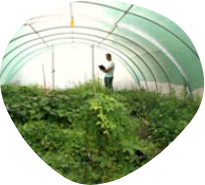 As soon as you place your order your plants are selected
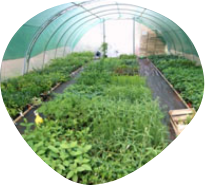 Each order is processed individually.
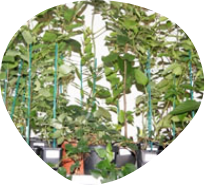 Plants are packed, staked and labeled.
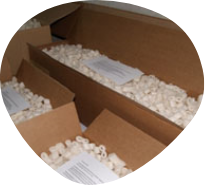 Packaging is carefully implemented to avoid any problems.
 Packages are ready to be shipped.
We ship our plants throughout Europe (excluding overseas territories and islands).
Avis clients


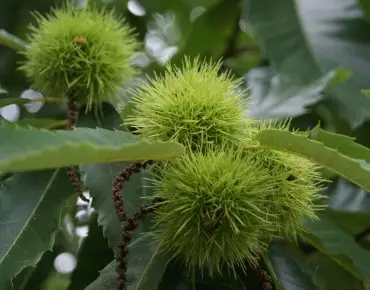


The Red Maple 'Bumblebee'®, a small compact 4-5 m tree with a rounded habit, famous for its flaming orange and red autumn colours. Very melliferous, it attracts pollinators from spring.
Your cart is empty
Continue shopping