Osage orange - Maclura pomifera
Main Interest
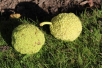
The Osage orange is a tree of rare and fascinating presence, finding its place in gardens seeking to combine wild aesthetics with botanical curiosity. This deciduous tree is primarily distinguished by its tormented silhouette and its ability to form impenetrable natural barriers thanks to its thorny branches. Although it does not produce edible oranges, it offers fleshy, globular, and bumpy fruits of a brilliant green color, whose structure resembles a brain or a giant mulberry. These decorative fruits emit a subtle lemon zest fragrance and have the unique property of naturally repelling certain insects. Beyond its ornamental aspect, its exceptional wood, of rare density and a vivid orange-yellow color, is historically renowned for being virtually rot-proof. It is a tree that tells a story, that of the American Great Plains where it served as a "living fence" before the invention of barbed wire. Its presence in the garden guarantees a striking focal point, especially in autumn when its foliage turns golden yellow and its heavy fruits hang majestically. Its robustness against urban pollution and strong winds also makes it an ideal candidate for public parks or rural properties. By choosing Maclura pomifera, you are installing a true plant monument, capable of lasting through the centuries while providing a secure haven for local wildlife.
Origins and Characteristics
Geographic Origin:
This tree is native to a restricted region in the south-central United States, primarily encompassing Arkansas, Oklahoma, and Texas. It has since naturalized in much of North America due to its great climatic adaptability to various environments.
Botanical Family:
Maclura pomifera belongs to the Moraceae family, which links it botanically to mulberries and figs. This relationship is notably manifested by the presence of a milky white latex that flows when a stem or fruit is cut.
Notable Particularities:
It is often called "Bowwood" (Bodark) because the Osage Native American tribes used its flexible and extremely strong wood to make high-quality bows. Botanically, it is a dioecious species, meaning there are male and female trees; only the females bear the iconic fruits. It is also considered an anachronistic plant, as its fruits were likely once consumed by the now-extinct Pleistocene megafauna.
Description and Particularities
Adult Height:
At maturity, the Osage orange can reach a respectable height of 12 to 15 meters. Its growth is relatively fast during the first years before stabilizing to strengthen its woody structure. It eventually forms a massive and imposing canopy.
Adult Width:
Its spread is equally imposing, generally ranging between 8 and 12 meters. It develops a wide and irregular crown that requires an open space to be fully showcased and appreciated. This breadth makes it a perfect choice for creating significant shade.
Habit:
The habit is initially upright, then becomes rounded and spreading over time, often with low branches that gracefully droop. Its structure is dense and highly branched, making it an excellent natural windbreak. The architectural form is particularly striking during the winter months.
Bark:
The bark is one of its most beautiful assets, featuring an orange-brown color with deep, fibrous fissures. With age, it exfoliates in long strips, revealing more vivid orange tones beneath the surface. This textured appearance adds year-round interest to the landscape.
Foliage:
The foliage consists of alternate, oval, and pointed leaves, with a glossy dark green top. In autumn, the tree adorns itself in a beautiful uniform golden yellow robe before the leaves fall. The leaves are quite tough and resist most common leaf-eating pests.
Growth:
The growth rate is considered medium to fast, especially when planted in deep, well-exposed soil. It responds very well to pruning, which historically allowed it to be maintained as a compact hedge. Its vigor ensures a quick establishment in the garden.
Hardiness:
It is a tree of great resistance that withstands very low temperatures, often down to -25°C. It fears neither scorching summers nor poor soils, making it suitable for cultivation in almost all European regions. Its resilience to extreme weather is one of its strongest points.
Flowering and Fruiting
Flowering Period:
Discrete flowering generally occurs in late spring, between May and June. It often goes unnoticed because the flowers are small and greenish in color, blending with the emerging foliage.
Description of Flowers:
Male flowers are borne in drooping clusters, while female flowers form small, tight globular heads. Pollination is carried out by the wind, requiring the proximity of both a male and female plant for fruit production. The flowers, though modest, are botanically fascinating.
Fruits:
The fruit is a multiple drupe, called a syncarp, about the size of a large grapefruit (10 to 15 cm in diameter). Its surface is rough and pitted, turning from pale green to yellowish-green at full maturity. These heavy fruits are the tree's most iconic and decorative feature.
Wildlife Attraction:
Although the fruit is rarely consumed by modern wildlife due to its hardness and latex, the tree offers an exceptional protective habitat. Its thorny branches are preferred nesting sites for birds, effectively protecting them from ground predators. It plays a vital role in local biodiversity.
Exposure
Ideal Exposure:
For harmonious development and beautiful autumn coloration, it requires a full sun position. It withstands windy situations without flinching, which allows it to be used as a protective screen or shelterbelt. Light is the key to a healthy and productive tree.
Planting
Soil Preparation:
Although adaptable, it prefers soil worked deeply to allow its taproot to establish itself firmly. Adding compost or organic matter at planting will help a vigorous start, even though the tree tolerates alkaline or slightly acidic soils. Good preparation ensures the tree's long-term stability.
Spacing Between Plants:
For a specimen tree, allow a radius of 6 to 8 meters around the trunk for its future spread. For the creation of a defensive hedge, a spacing of 1.50 to 2 meters between plants is recommended. Proper spacing prevents overcrowding and promotes air circulation.
Nature of the Soil:
It thrives in deep, fertile, and well-drained soils, but its great strength lies in its ability to tolerate poor and dry lands. It only avoids areas of prolonged water stagnation that could harm its root system. It is one of the most adaptable trees regarding soil quality.
How to Plant:
Dig a hole twice the size of the pot to loosen the surrounding soil. Since our plants are pot-grown, they have an intact root system that allows for successful planting all year round, except during periods of prolonged frost. Place the root ball, fill with a mixture of soil and potting soil, and finish with a generous watering to remove air pockets.
Watering
Water Needs at Planting:
During the first year after planting, regular watering (once a week in summer) is crucial to promote rooting. Once the taproot has descended deeply, the tree becomes extremely drought-resistant. Proper initial hydration is the secret to a fast-growing tree.
Water Needs at Maturity:
At maturity, the Osage Orange needs virtually no artificial water supply, except in cases of exceptional and prolonged heatwaves. It is capable of drawing resources from deep within the soil, making it an eco-friendly tree. It is perfectly suited for low-maintenance landscapes.
Pruning
When and How to Prune:
Pruning is generally done in late winter, before the spring sap rise. For a specimen tree, simply remove dead wood and poorly placed branches to air out the crown. If grown as a hedge, it tolerates severe and regular pruning, which stimulates the densification of foliage and thorns.
Multiplication
Possible Propagation Methods:
Multiplication is mainly done by sowing after seed stratification, or by root cuttings in winter. Hardwood cuttings are also possible, although more difficult to succeed. These methods allow for the preservation of the species' natural vigor.
Garden Uses
Ideal Location:
It looks superb as a specimen tree in the middle of a lawn where its bark and fruits will be highlighted. It is also unbeatable for creating an impenetrable natural fence on the edge of rural properties. Its unique silhouette creates a prehistoric atmosphere.
Recommended Plant Associations:
It can be associated with other hardwood trees like Gleditsia or Gymnocladus to create a grove with a prehistoric feel. At its base, robust plants like tall grasses will emphasize its sculptural habit. These combinations create a low-maintenance, high-impact landscape.
Traditional Uses:
In addition to making bows, its wood was used to make fence posts and railroad ties due to its exceptional longevity. The fruits are sometimes placed in houses or basements for their repellent properties against spiders and insects. It is a tree of many practical historical uses.
Protection against Diseases and Pests
Possible Sensitivities:
The Osage Orange is one of the most resistant trees in existence, having virtually no serious natural enemies in Europe. It is very rarely affected by fungal diseases or attacks from wood-boring insects. This makes it a very "clean" and easy tree to manage.
Advice for Prevention:
Good air circulation around the crown is enough to prevent any minor issues. Being naturally rich in antifungal compounds, the tree protects itself from most external aggressions. Natural resistance is its primary defense mechanism.
Tips for Good Development
Avoid planting this tree too close to paths or children's play areas due to its sharp thorns and the falling of heavy fruits in autumn. Organic mulching in the first few years will help maintain the freshness necessary for its rapid initial growth. It is a tree that appreciates being left to grow with minimal interference once established.
Cultivar Specificities
This is the type variety of Maclura pomifera, which retains all its original characteristics of vigor and hardiness. Unlike some thornless cultivars, the type form guarantees the wild and defensive aspect so often sought, as well as increased longevity and resistance to climatic hazards.
Summary
The Osage Orange (Maclura pomifera) is a robust tree with unique brain-like fruits. Famous for its rot-proof wood and hardiness down to -25°C. Perfect as a specimen or an impenetrable living fence.



 As soon as you place your order your plants are selected
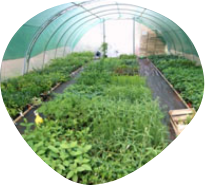 Each order is processed individually.
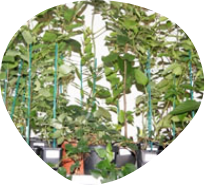 Plants are packed, staked and labeled.
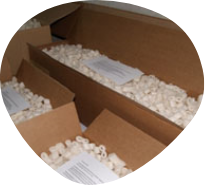 Packaging is carefully implemented to avoid any problems.
 Packages are ready to be shipped.