Northern red oak 'Boltes Gold' - Quercus rubra 'Boltes Gold'
Main interest
The Northern red oak 'Boltes Gold' is an absolutely exceptional ornamental tree, a true beacon of light capable of transforming the chromatic structure of a large garden. This rare selection of the famous Quercus rubra distinguishes itself by its pure golden yellow spring foliage, bringing immediate brightness where classic species clothe themselves in dark green. Unlike many golden-leaved varieties that fear direct sunlight, this cultivar exhibits remarkable resistance to sun scorch, maintaining its brilliance even during the hottest summers. Its landscape utility is undeniable for creating striking contrasts, especially when placed in front of dark conifer backgrounds or large purple deciduous trees. Its majestic silhouette and growth vigor make it an ideal shade tree, capable of structuring space with natural elegance from a very young age. By choosing this oak, the gardener ensures an evolving spectacle across three seasons, culminating in a flamboyant autumn display that is the hallmark of the species.
Origins and characteristics
Geographic origin :
The type species, Quercus rubra, finds its roots in the vast forests of Eastern North America, stretching from Canada down to the mountains of the Southern United States. The specific cultivar 'Boltes Gold' is a more recent horticultural selection, arising from a natural mutation or a lucky seedling, while retaining the legendary robustness of American trees. This geographic origin grants it remarkable adaptability to European climatic variations, from summer heat to harsh winters.
Botanical family :
This tree belongs to the prestigious Fagaceae family, a dominant botanical group in Northern Hemisphere forests that includes beeches and chestnuts. The Quercus genus is one of the most diverse and ecologically significant, providing habitat and food for infinite biodiversity. Members of this family are renowned for the longevity of their specimens and the exceptional quality of their heartwood.
Notable features :
Historically, red oak wood has been widely used for construction and cabinetry due to its strength and open grain. The uniqueness of the 'Boltes Gold' variety lies in its ability to synthesize light pigments from bud break, a characteristic often associated with fragility, which is not the case here. It is a tree that combines the symbolic power of the oak, often associated with strength and permanence, with a contemporary aesthetic delicacy.
Description and specificities :
Adult height
At full maturity, this oak generally reaches a height between 8 and 12 meters (26-40 feet). Although less imposing than the type species, it retains the stature of a large tree capable of dominating a park or a large country garden. Its growth is rapid during the first few decades, allowing for a significant green volume to be enjoyed quickly.
Adult width
The wingspan of this cultivar ranges between 7 and 9 meters (23-30 feet) when it has open space. This significant width requires a well-chosen location, far from buildings or underground structures. Its powerful root system also requires a zone free of other major plantings in the immediate vicinity.
Habit
The habit is initially pyramidal during youth, then progressively widens to become rounded and spreading. This massive and balanced silhouette offers a strong architectural presence, particularly highlighted in winter when its structure is bare. The crown remains relatively dense, providing a cool and luminous shade zone thanks to the light color of the leaves.
Bark
The bark is a smooth silvery-gray on young specimens, remaining decorative for a long time before cracking with age. Over time, it develops darker longitudinal ridges that create an interesting graphic pattern on the main trunk. This robust surface effectively protects the tree against external aggressions and sudden temperature variations.
Foliage
The deciduous foliage is composed of large lobed leaves with sharp tips, characteristic of the "red" oak group. In spring, they emerge in an orange-yellow hue, turn golden yellow in summer, then shift to tender green before the autumnal climax. In the fall, the tree ignites to offer orange to vivid red tones, creating a striking contrast with its summer appearance.
Growth
The growth rate is considered fast for an oak, easily gaining several dozen centimeters per year. After ten years, it can already reach about 5 meters (16 feet) in height, which is a notable performance for a tree in this family. This vigor allows it to quickly fill empty spaces in new landscape designs.
Hardiness
'Boltes Gold' displays exceptional hardiness, capable of withstanding winter temperatures down to -25 °C (-13 °F). It is not sensitive to late spring frosts once well established, as its buds are protected by robust scales. This resistance makes it a safe choice for all regions, including those with marked continental winters.
Flowering and fruiting :
Flowering period
Flowering occurs discreetly in the month of May, just after the appearance of the young golden foliage. While not visually spectacular, it marks the full awakening of the tree and the beginning of its period of full activity. It is at this time that the tree mobilizes its resources to ensure the reproduction of the species.
Flower description
Male flowers appear as hanging yellow-green catkins, releasing their pollen into the wind. The female flowers, much more discreet, are located in the leaf axils, waiting to be pollinated to form future fruits. The entire flowering process blends harmoniously into the luminous shades of the new spring foliage.
Fruits
The fruits are ovoid acorns set in a flat, scaly cup, typical of the Northern Red Oak. They take two years to ripen on the tree before falling to the ground in autumn once maturity is reached. Although acorn production does not start for several years, they provide an important food source for local wildlife.
Melliferous or attractive characteristics for fauna
The tree is a true oasis for biodiversity, hosting many beneficial insects within its branches. Its acorns are highly prized by squirrels, jays, and small rodents who actively participate in their dispersal. The spreading structure of its crown also provides privileged nesting sites for various forest bird species.
Exposure :
Ideal exposure :
To express the full splendor of its golden foliage, this tree requires full sun exposure. Direct sunlight is crucial for maintaining the yellow pigments and preventing the foliage from turning green too quickly. Unlike other sensitive varieties, it perfectly tolerates scorching situations without its leaves burning.
Planting
Advice for preparing the soil :
Soil preparation should be done over a wide perimeter to facilitate the expansion of the vigorous lateral roots. It is advisable to decompact the soil deeply and incorporate plenty of well-decomposed organic matter to improve soil structure. Since our plants are supplied in pots, planting is possible year-round, except during periods of extreme frost or heat.
Spacing between plants :
Due to its final size, this tree should be planted at a minimum distance of 10 meters (33 feet) from any other permanent structures. If used to create an avenue, a spacing of 8 to 10 meters between each specimen will allow their canopies to join harmoniously. Sufficient spacing ensures each tree retains its majestic habit without being hindered by its neighbors.
Nature of the soil :
This oak prefers deep, well-drained, and fresh soils, with a marked preference for acidic to neutral ground. It poorly tolerates excessive limestone, which can cause deficiencies and limit the brilliance of its autumn colors. Acidic soil is the guarantee of an intense and spectacular reddening when temperatures drop at the end of the year.
How to plant :
Dig a hole two to three times wider than the root ball and place quality organic soil conditioner at the bottom. Install the tree ensuring the collar is level with the ground, then fill with a mixture of garden soil and compost. Strong staking, either angled or in a tripod, is essential during the first few years to stabilize the tree against the wind.
Watering
Water needs at planting :
Copious watering is necessary immediately after planting to remove air pockets and ensure contact between roots and soil. During the first two years, closely monitor soil moisture and water generously every week during dry periods. A watering basin formed at the base of the tree will help direct water straight to the developing root system.
Water needs at maturity :
Once the root system is well anchored deeply, the 'Boltes Gold' oak becomes relatively resistant to temporary drought. However, to maintain luminous and vigorous foliage, supplemental watering during particularly dry summers remains beneficial. Maintaining a thick layer of organic mulch at the base of the tree helps preserve precious residual moisture during the hottest months.
Pruning
When and how to prune :
Pruning of this oak should remain limited and thoughtful, primarily aimed at forming the tree's structure during its youth. Intervene preferably in winter, during the dormant period, to remove crossing or poorly oriented branches. Light maintenance pruning can be done to clear the trunk (crowning) to facilitate walking under the tree.
Multiplication
Possible propagation methods :
Multiplication of the 'Boltes Gold' cultivar is done almost exclusively by grafting onto Quercus rubra rootstocks. This technique ensures that the new specimen will faithfully retain the golden foliage and growth characteristics of the parent plant. Sowing is not recommended as it would not allow for the specific yellow leaf coloration to be regained.
Garden uses
Ideal location for the plant :
This tree is made to reign as a specimen in the middle of a vast lawn where its silhouette and colors will be perfectly highlighted. It can also serve as a focal point at the back of a large garden, creating a luminous perspective that irresistibly draws the eye. Its ability to provide generous shade makes it an ideal companion for creating a summer rest area.
Recommended plant associations :
It creates a striking color combination when paired with shrubs with purple foliage, such as Physocarpus or Berberis. At its feet, light-shade-loving plants that enjoy acidic soils, such as azaleas or ferns, will benefit from the leaf litter it produces. In autumn, its flamboyant red harmonizes with blue asters or golden grasses.
Traditional uses :
Although this cultivar is modern, it fits into the long tradition of using oaks as commemorative or celebratory trees. In many cultures, planting an oak is an act symbolizing transmission and hope for future generations. Its exceptional longevity makes it a witness to the passing of time, anchoring the garden in a historical dimension.
Protection against diseases and pests :
Possible sensitivities
Like all oaks, it can sometimes be visited by aphids or defoliating caterpillars, but these attacks rarely prove problematic for a vigorous tree. It may show moderate sensitivity to powdery mildew at the end of the season if the summer is very humid, marking the foliage with a white veil. Iron chlorosis is the main risk if the soil proves too calcareous for its needs.
Prevention advice and natural treatments
The best prevention is to offer the tree optimal growing conditions, notably acidic soil and a well-ventilated location. For aphid attacks, encourage the presence of beneficials like ladybugs that will naturally regulate populations. A regular intake of acidic compost or heather soil on the surface will help prevent mineral deficiencies.
Advice for good development :
Practical tips for promoting good development
Ensure not to compact the soil over the crown projection area, as roots need oxygen to function effectively. Avoid mechanical damage to the trunk during lawn mowing, as young bark is sensitive and wounds can serve as entry points for diseases. An organic fertilizer application in spring will help support the fast growth of the first few years.
Cultivar differences and specificities
The 'Boltes Gold' cultivar differs radically from the type species by its yellow spring foliage, whereas the classic red oak breaks bud in bronze-pink tones. Unlike the 'Aurea' variety, 'Boltes Gold' is reputed for its better color stability and superior resistance to summer sun scorch. Its autumn coloration is just as spectacular, offering a broader color palette within a single season.
Summary
Quercus rubra 'Boltes Gold' is a unique Northern Red Oak, famous for its golden yellow foliage that illuminates the garden from spring to summer. This majestic and hardy tree offers fast growth and exceptional sun resistance, ending the year beautifully with vivid red autumn colors. Ideal as a specimen, it is a lasting investment to structure large spaces with brilliance.



 As soon as you place your order your plants are selected
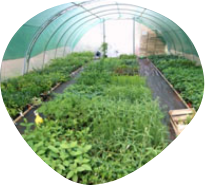 Each order is processed individually.
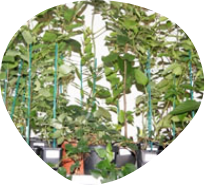 Plants are packed, staked and labeled.
 Packaging is carefully implemented to avoid any problems.
 Packages are ready to be shipped.