Tonda Gentille delle Langhe Hazel tree – Corylus avellana Tonda Gentille delle Langhe
Main interest
The Tonda Gentille delle Langhe Hazel tree is a fruit-bearing shrub from Piedmont, famed for round, uniform hazelnuts with a thin shell and easy blanching. Its sweet, balanced flavor and crisp texture make it a staple in pastry and chocolate (gianduja, pralines, artisanal spreads). In the garden, it blends ornamental appeal and productivity: naturally balanced habit, fresh green deciduous foliage, early flowering, and reliable fruit set. It is hardy, tolerant of varied soils, and supports biodiversity by attracting pollinators. In orchards, it is consistent and well compatible with multiple pollinizers, ensuring a stable harvest. This cultivar channels Piedmont tradition while suiting European gardens with ease.
Origins and characteristics
- Geographic origin: Piedmont, Italy, hilly areas with well-drained, humus-rich soils.
- Botanical family: Betulaceae.
- Notable features: Historic local selection valued for uniform sizing, thin shell, and easy blanching; widely sought in chocolate making.
- Description and particularities: Vigorous, semi-upright shrub with flexible shoots and bright green deciduous leaves. Fruits are round, dense kernels with clean hazelnut aromas; excellent for processing.
- Adult height: 3–4 m
- Adult width: 2–3 m
- Habit (general form): Semi-upright, open, naturally balanced without heavy pruning.
- Bark: Gray-brown, initially smooth, becoming lightly striated; young shoots reddish-brown.
- Foliage: Deciduous, light to medium green, broad heart-shaped leaves, turning golden in autumn.
- Growth: Moderate and regular; dependable bearing with good sucker management.
- Hardiness: Down to −20 °C; withstands cold winters and moderate wind once established.
Flowering and fruiting
- Flowering period: January to March, pendulous male catkins visible late winter; very small female flowers with red stigmas.
- Detailed flower description: Male catkins yellow to light brown, shedding pollen in mild, dry weather; cross-pollination needed (insects and wind).
- Fruits : Round hazelnuts, uniform size, thin shell, kernel with sweet, clean flavor. Physiological ripening late summer. Recommended pollinizers: Cosford, Tonda Romana, Bowiller, Fertile de Coutard, Segorbe for optimal nut set.
- Harvest: August to September; pick when nuts brown and naturally detach from the involucre. Dry, clean, and store cool and dry.
- Melliferous or wildlife value: Early bloom supports bees and pollinators; nuts feed squirrels and birds, boosting garden biodiversity.
Exposure and soil
- Ideal exposure: Full sun to partial shade; choose a bright site for consistent sizing, sheltered from prevailing winds to protect early bloom.
- Soil type : Deep, fertile, well-drained soil, humus-rich; tolerates slightly calcareous soils. Avoid compact heavy clay and standing water.
- Soil nature: Neutral to slightly acidic, fresh yet draining; prefers loamy-sandy textures; stony soils acceptable with good rooting.
Planting
- Soil preparation tips: Thorough weeding, loosen 40–50 cm deep, incorporate mature compost and a dose of organic fertilizer; apply organic mulch to retain moisture and foster soil life.
- Spacing: 3–4 m between plants to limit competition and improve airflow; 4.5 m in mechanized orchards.
- How to plant: Container-grown plants can be set year-round outside frost and heat waves. Soak the rootball, plant at collar level, water generously, stake in windy sites. Mulch immediately to reduce stress and activate rooting.
Watering
- Water needs at planting: Regular watering for the first 6–8 weeks; keep the rootball moist without waterlogging, especially in spring and summer.
- Water needs at maturity: Moderate; tolerates relative drought once established, but summer support irrigation during fruit set improves size and consistency.
Pruning
-
When and how to prune (cultivar-specific): Prune in late winter outside frost. Train as a multi-stem (stool) with 8–10 scaffold branches well spaced; remove dead wood, crossing branches, and competing suckers. Light thinning for air and light; avoid heavy cuts that reduce yield. For this cultivar, maintain an open center to favor peripheral bearing and regular crops.
Propagation
-
Possible propagation methods: Suckers selection and transplanting, layering of flexible shoots, grafting onto Corylus rootstocks for cultivar uniformity. Use healthy, virus-free material.
Garden uses
- Ideal placement: Family orchard, mixed fruit hedge, specimen on a sunny woodland edge, vegetable garden border to enhance pollination and productivity.
- Recommended plant associations: Apples, pears, raspberries, redcurrants, blackcurrants, and other pollinizing hazels (Cosford, Tonda Romana, Bowiller, Fertile de Coutard, Segorbe) to optimize nut set and color harmony.
- Traditional uses: Hazelnuts in pastry and chocolate (gianduja, praline, roasting), artisanal hazelnut oil, confectionery, and home preparations.
Disease protection
- Potential sensitivities (diseases or pests): Risk of canker on shoots, powdery mildew in humid conditions, bud mites; occasionally weevils (balanin) and voles in orchards.
- Prevention and natural treatments: Promote airflow with pruning, organic mulch, avoid nitrogen excess. Plant teas (horsetail/nettle) and cautious copper for prevention, collect fallen nuts, traps and mulch management for pests. Encourage biodiversity for beneficials.
Tips for good development
-
Practical advice: Choose a bright exposure, fertile, draining soil, install compatible pollinizers, apply light regular pruning, and mulch to conserve moisture and soil life. Summer support watering during nut set improves sizing. Manage suckers to preserve structure and direct vigor to fruiting.
Differences and specificity of the cultivar
Tonda Gentille delle Langhe stands out for perfect roundness, thin shell, and easy blanching, minimizing processing losses. Its sweet flavor without bitterness and dense texture suit praline and gianduja. Regular yield, hardiness, and compatibility with several pollinizers ensure stable harvests. Its naturally harmonious habit enables low-maintenance stool training for amateur and professional orchards.
The Tonda Gentille delle Langhe is a premium hazel cultivar with uniform round nuts, thin shells, and sweet flavor. Hardy, reliable, and low-maintenance, it suits family gardens and professional orchards. In fertile, well-drained soils and with compatible pollinizers, it delivers stable crops from August to September. Ideal for pastry, praline, and gianduja, while supporting garden ecosystems by attracting pollinators and wildlife. Mulching, light pruning, and summer support watering during nut set help optimize nut size and overall quality.



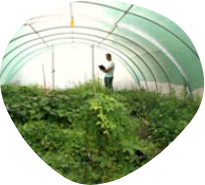 As soon as you place your order your plants are selected
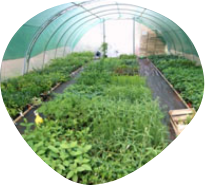 Each order is processed individually.
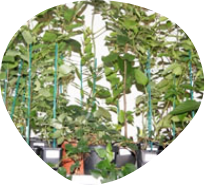 Plants are packed, staked and labeled.
 Packaging is carefully implemented to avoid any problems.
 Packages are ready to be shipped.