- New



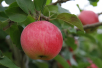
The Melrose apple tree produces large, crisp, juicy, and fragrant red apples. An excellent storage variety, it offers abundant and flavorful harvests throughout the winter.
Description
The Melrose apple tree is a fruit variety renowned for producing apples of high eating quality, particularly appreciated for winter consumption. Obtained in the United States from a cross between the 'Jonathan' and 'Red Delicious' varieties, it combines the qualities of both its parents: a fine and fragrant flesh, excellent storage capabilities, and a beautiful presentation of the fruits. This variety is often considered one of the best late apples for the home orchard thanks to its reliable production and the consistent quality of its harvests.
The fruits are harvested in autumn but fully develop their aromas after a few weeks of storage. This natural development improves the balance between sugars and acids, resulting in an apple that is particularly pleasant to enjoy throughout the winter. The flesh remains crunchy, juicy, and fragrant for several months when kept under good conditions.
The tree also presents great horticultural qualities. Its balanced growth, good hardiness, and relatively fast fruit bearing make it an excellent choice for gardeners wishing to harvest quality apples without having a very large orchard. Its abundant spring flowering also contributes to the life of the garden by attracting many pollinating insects.
The Melrose variety was selected in Ohio during the 20th century as part of a fruit improvement program. The objective was to obtain an apple combining flavor, productivity, and long storage life. The result quickly achieved great success with both professional and amateur fruit growers.
The apple tree belongs to the Rosaceae family, which includes many major fruit species such as pear, quince, plum, or cherry trees. This family is particularly recognized for its fruits rich in flavors and its great horticultural diversity.
The Melrose is one of the varieties whose eating quality continues to progress after harvest. Unlike some apples that must be consumed quickly, this one reveals more aromatic complexity after a few weeks of storage. This characteristic largely explains its reputation among lovers of storage apples.
The tree typically reaches about 3 metres in height at maturity under good growing conditions. This dimension facilitates maintenance operations, pruning, and harvesting the fruits. Its development remains perfectly adapted to medium-sized gardens.
The crown generally reaches between 2.5 and 3 metres in spread. This moderate width allows good light penetration throughout the canopy. Homogeneous exposure promotes regular coloration of the fruits.
The habit is semi-upright to slightly spreading with strong main branches. The branches generally support heavy crops well without requiring special interventions. The silhouette remains balanced and easy to train.
The bark is greyish-brown and gradually becomes rougher with age. Young shoots often show reddish-brown nuances that bring additional visual interest during the winter period.
The foliage is deciduous, dense, and of a deep green. The oval leaves ensure a good nourishment of the fruits throughout the growing season. Their density also contributes to naturally protecting the apples from excessive sun in summer.
Growth is regular and balanced. The tree gradually develops a solid structure without becoming excessively vigorous. This characteristic facilitates long-term orchard management.
The Melrose shows excellent hardiness and generally tolerates temperatures close to -25°C. This resistance allows its cultivation in most temperate regions.
This apple tree is grafted onto MM111, a rootstock recognized for its robustness and excellent rooting. It offers a good balance between vigor, longevity, and resistance to periods of drought once the tree is well established. Its deep root system also allows good adaptation to different soil types and promotes excellent stability of the tree.
Flowering generally occurs between April and May depending on local climatic conditions. It is situated in an intermediate period which often limits the risks related to late spring frosts. This regular flowering participates in the consistency of the harvests.
The deep pink flower buds gradually open into particularly decorative pinkish-white flowers. Gathered in clusters, they abundantly cover the branches in spring. Their nectar attracts many bees, bumblebees, and other pollinating insects essential for good fruit production.
Melrose apples are large to very large, often more voluminous than many traditional varieties. Their skin features a yellow base largely covered with a glossy dark red that can occupy a large part of the fruit when it benefits from good sunlight exposure.
The flesh is fine, firm, crunchy, and particularly juicy. Right from harvest, it offers an excellent balance between sweetness and a slight acidity. After a few weeks of storage, the aromas gain even more intensity and develop more complex notes that sometimes slightly recall dried fruits and honey.
Harvesting generally takes place between late September and October. The ideal consumption period often begins in November and can extend until February, or even longer under good storage conditions. This long enjoyment period is one of the main assets of the variety.
The Melrose is not self-fertile and requires the presence of another compatible variety nearby. The best pollinators include Reine des Reinettes, Golden Delicious, Elstar, Cox Orange Pippin, Gala, or James Grieve.
In small orchards, associating several apple varieties generally allows for improved regularity of harvests while spreading out the consumption periods.
The flowering provides an important resource in nectar and pollen for pollinating insects. Fruits fallen to the ground at the end of the season can also benefit certain birds and small mammals in the garden.
A full sun exposure promotes the quality of the fruits, their coloration, and their aromatic richness. Good air circulation around the tree also limits the development of certain fungal diseases. Overly confined situations are therefore to be avoided.
The ground must be loosened deeply to promote the establishment of the root system. Incorporating well-decomposed compost improves soil fertility and supports the first years of growth. A living soil rich in organic matter often promotes better quality harvests.
A spacing of 3 to 4 metres is generally recommended between two apple trees. This distance ensures good air circulation and facilitates maintenance work. It also allows optimal sun exposure for the fruits.
The Melrose appreciates deep, fertile, and well-drained soils. It adapts to most garden lands when they do not remain durable saturated with water. Slightly clay-loamy soils suit it particularly well.
The graft union must always remain above ground level. After planting, generous watering promotes contact between the soil and the roots. An organic mulch installed around the base limits weed competition and retains moisture during dry periods.
Regular waterings are necessary during the first two years to promote deep and sustainable rooting. Particular monitoring is recommended during hot summer periods.
Once well established, the tree becomes relatively autonomous. Water supplies nevertheless remain beneficial during prolonged droughts or during the fruit swelling phase to maintain good harvest quality.
Pruning is mainly carried out during winter when the tree is in vegetative rest. It consists of removing dead wood, crossing branches, and overly vigorous shoots that unbalance the structure.
On adult trees, the objective is also to promote the formation of new fruiting organs. A well-aerated crown allows better light penetration and contributes to improving both the coloration and the eating quality of the apples.
When fruiting becomes very abundant, a light thinning of young fruits at the beginning of summer often allows for larger and more regular apples to be obtained.
Like the majority of fruiting apple trees, the Melrose is multiplied by grafting. This technique allows for the faithful reproduction of the varietal characteristics of the cultivar. Seedlings do not guarantee obtaining fruits identical to those of the original variety.
The Melrose naturally finds its place in a family orchard, a kitchen garden, or a fruit meadow. Its reasonable size facilitates its integration into many landscaping designs. It can also be associated with other fruit trees to create a diversified and productive orchard.
The Melrose apple tree associates particularly well with pear trees, quince trees, borage, comfrey, chives, lavender, or currant bushes. These plants promote biodiversity, attract pollinators, and participate in the general balance of the orchard.
Melrose apples are above all sought after for fresh consumption thanks to their crunchy and fragrant flesh. They are also very suitable for making pies, compotes, juices, and pastries. Their excellent storage life allows quality fruit to be available for a long period after the harvest.
The Melrose generally shows good overall resistance but can occasionally be affected by scab, powdery mildew, aphids, or the codling moth depending on weather conditions. Regular monitoring allows for prompt intervention if necessary.
Pruning to promote foliage aeration constitutes one of the best preventive measures. Maintaining good biodiversity in the garden also promotes the presence of natural beneficials capable of limiting pest populations. Finally, collecting fallen leaves reduces certain risks of diseases.
A well-sunny exposure remains the best way to obtain colorful and flavor-rich fruits. Regularly renewing an organic mulch progressively improves soil structure and supports biological activity. In highly productive years, moderate thinning often allows for the improvement of the size and final quality of the apples.
The Melrose is distinguished by the rare combination of excellent eating quality, prolonged storage, and regular production. Few varieties offer such a good balance between crunchiness, juiciness, and aromatic richness after several months of storage. Its capacity to fully reveal its eating qualities after harvest makes it a benchmark among winter apples intended for the home orchard.
The harvest generally takes place between late September and during the month of October. The fruits should be picked when they detach easily from the tree without forcing.
Although they can be eaten right from harvest, their eating quality often reaches its best level after several weeks of storage. The ideal tasting period is generally between November and January.
No, this variety requires the presence of another compatible apple tree to ensure good pollination. The proximity of other varieties also allows for improved regularity of harvests.
Yes, its moderate development, productivity, and the quality of its fruits make it particularly suitable for private orchards. Its harvest remains easily accessible thanks to its limited height.
Yes, this is one of the great qualities of this variety. In a cool and well-ventilated room, the fruits retain their eating qualities for several months.
Shipping & delivery
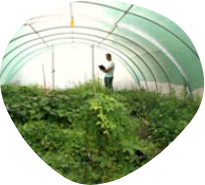 As soon as you place your order your plants are selected
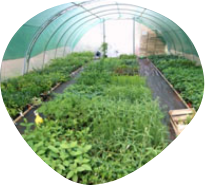 Each order is processed individually.
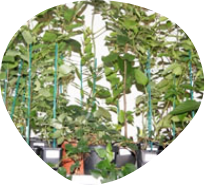 Plants are packed, staked and labeled.
 Packaging is carefully implemented to avoid any problems.
 Packages are ready to be shipped.
We ship our plants throughout Europe (excluding overseas territories and islands).
Avis clients


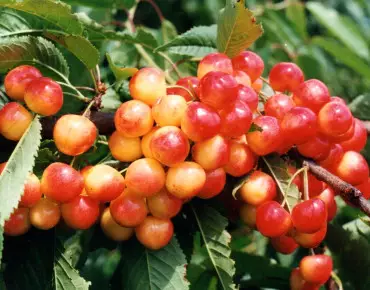
The Melrose apple tree produces large, crisp, juicy, and fragrant red apples. An excellent storage variety, it offers abundant and flavorful harvests throughout the winter.
Your cart is empty
Continue shopping