Exposure
Sun, partial shade
Flowering period
May - June
Japanese silverberry - Elaeagnus umbellata
Origins and characteristics
Native to Asia (China, Japan, Korea), Elaeagnus umbellata belongs to the Elaeagnaceae family. It is appreciated for its fragrant flowers, edible fruit production, and ornamental foliage.
Description and features
- Adult height : 3 to 4 meters.
- Adult width : 2.50 to 3 meters.
- Habit : Bushy, rounded, slightly spiny.
- Foliage type : Deciduous to semi-evergreen depending on climate; blue-green with silvery underside, turning yellow in autumn.
- Flowering period : May to June.
- Flowers : Small cream to pale yellow, very fragrant, nectar-bearing flowers.
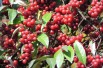
- Fruits : Small silver-red edible fruits, sweet and tangy, decorative in autumn.
- Hardiness : Good, down to -15 °C.
Exposure and soil
- Exposure : Full sun or light partial shade.
- Soil : Light, well-drained, even dry and poor; tolerates calcareous soils.
- Tolerance : Resistant to drought and poor soils.
Planting
- Period : Autumn or spring.
- Preparation : Loosened soil without excess organic matter; no need to amend fertile soil.
- Spacing : 2 to 3 meters depending on use.
Watering
- At planting : Regular watering during the first year.
- At maturity : Very low water needs; water only during prolonged drought.
Pruning
- Timing : Late winter or after fruit harvest (October-November).
- Advice : Tolerates pruning very well; can be maintained as a free hedge or trimmed hedge.
Propagation
Sow fresh seeds or take semi-woody cuttings in summer.
Use in the garden
Locations : Country hedges, shrub masses, isolated specimens, windbreak plantings.
Example of plant associations:
Shrubs :
Disease protection
- Sensitivities : Very robust, little susceptible to diseases and pests.
- Prevention : No special treatment needed; provide airy planting to avoid excess moisture.
Tips for good development
Plant in full sun to maximize flowering and fruiting, water the first two summers, prune regularly to balance shape and stimulate fruit production, avoid over-enriching the soil to preserve natural vigor, associate with other robust shrubs to create varied and nourishing hedges.
Caractéristiques
-
Common name :
Japanese silverberry
-
Family :
Elaeagnaceae
-
Category :
fruit tree
-
Spread :
3 m
-
Foliage :
deciduous
-
Color of flowers :
cream
-
Fruit :
small stone fruits from 4 mm to 1 cm, juicy and luscious flesh
-
Use :
shrubbery - free or fruit hedges
-
Soil :
all
-
Habit :
Spreading
-
Earth to use :
universal potting soil/garden soil/compost
-
Enemies :
cochineal
-
Possible diseases :
coral disease



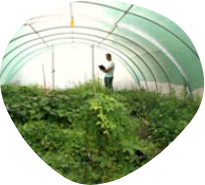 As soon as you place your order your plants are selected
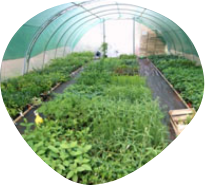 Each order is processed individually.
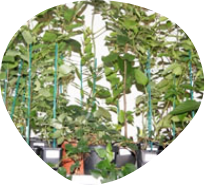 Plants are packed, staked and labeled.
 Packaging is carefully implemented to avoid any problems.
 Packages are ready to be shipped.