


- Pick up on site


Jostaberry (in 2 liter pot)
Ribes nidigrolaria Josta
Jostaberry – Ribes nidigrolaria: thornless, hardy hybrid of blackcurrant and gooseberry. Large aromatic berries, rich in vitamins, easy to grow and disease-resistant.
Description
Height at maturity
1,50 to 2 m
Wingspan at maturity
1 m
Exposure
Sun, partial shade
Flowering
april
Hardiness
-25°C
Origin
crossing of a blackcurrant (Ribes Nigrum) and a gooseberry (Ribes uva-crispa).
Jostaberry – Ribes nidigrolaria ‘Jostaberry’
Main features
The Jostaberry (Ribes nidigrolaria) is a thornless hybrid between the blackcurrant (Ribes nigrum) and the gooseberry (Ribes uva-crispa), combining the rich aroma of blackcurrants with the fresh tang of gooseberries.
This vigorous, long-lived shrub produces large black berries with a fruity, slightly tart flavour and a high vitamin C content.
Highly disease-resistant, cold-hardy and easy to grow, the Jostaberry is ideal for family gardens and natural orchards.
Origin and botanical characteristics
Developed in Germany in the 1970s, the Jostaberry’s name blends Johannisbeere (currant) and Stachelbeere (gooseberry).
It forms a dense, rounded bush reaching 1.5 to 2 m high, completely thornless and very vigorous.
The leaves are broadly lobed, dark green and slightly aromatic.
Small reddish-green flowers appear in April, followed by clusters of large, glossy black fruits in mid-summer.
The berries, 1–2 cm in diameter, have firm flesh and a pleasant aroma, blending sweetness and acidity.
Flowering and fruiting
Flowering occurs in April, and the harvest begins in July.
Each bush can yield several kilograms of berries under good conditions.
The fruits are rich in antioxidants, minerals and anthocyanins, making them not only delicious but also highly nutritious.
Their balanced flavour suits fresh eating, preserves, juices, jams, and desserts.
The plant fruits reliably every year, even in cooler climates.
Position and soil
Plant in full sun or partial shade, in deep, fertile, moist but well-drained soil.
Tolerates clay soils but dislikes waterlogging.
Apply mulch or compost to maintain soil moisture.
Hardy to –25 °C, the Jostaberry is perfectly adapted to European gardens.
Planting and care
Plant from autumn to early spring, spacing plants about 1.5 m apart.
Water regularly during establishment.
Prune lightly in winter, removing old stems to encourage new fruiting shoots.
It is self-fertile, low-maintenance, and resistant to most common berry diseases.
Garden and kitchen use
Ideal for fruit hedges, natural gardens, and mixed borders, the Jostaberry combines ornamental appeal with high productivity.
Its fruits are perfect for jellies, syrups, pies, sauces, and smoothies.
Its vigorous habit and glossy foliage make it both decorative and practical in edible landscaping.
Pests and diseases
Exceptionally resistant to powdery mildew, rust, and anthracnose, the Jostaberry rarely requires treatment.
A well-aerated site ensures healthy growth and abundant harvests.
Truly a trouble-free soft fruit for gardeners of all levels.
The Jostaberry (Ribes nidigrolaria) blends the finest traits of blackcurrant and gooseberry in one robust, thornless shrub.
Its rich, vitamin-packed fruits are ideal for healthy eating and home preserves.
Resilient, hardy, and productive, it thrives with minimal care.
A perfect choice for gardeners seeking a beautiful, fruitful, and sustainable plant.
Features
- Common name : Jostaberry
- Family : Grossulariaceae
- Category : fruit tree
- Spread : 1 m
- Foliage : deciduous
- Color of flowers : red
- Fruit : berries 1 cm, gooseberry texture and blackcurrant taste, less acidic, sweeter and seedless
- Harvest : mid-July
- Use : shrubbery - free or fruit hedges
- Soil : slightly acidic
- Habit : Spreading
- Earth to use : 75% universal potting soil and 25% heath earth
- Density per m² : 1
- Enemies : nothing to report
- Possible diseases : resistant to diseases
Expédition & livraison
How does the delivery work?
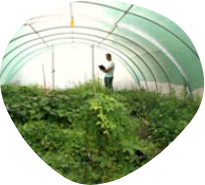 As soon as you place your order your plants are selected
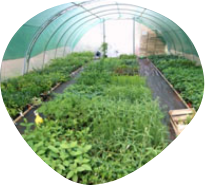 Each order is processed individually.
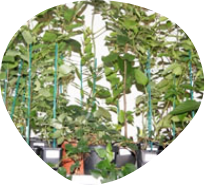 Plants are packed, staked and labeled.
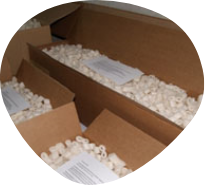 Packaging is carefully implemented to avoid any problems.
 Packages are ready to be shipped.
Customer reviews
Nobody has posted a review yet
in this language
16 other products in the same category:
- Pick up on site
Red Gooseberry (in 2 liter pot)
Ribes uva-crispa Hinnonmaki red
Plant height
30/40 cm in 2 liter pot
- Pick up on site
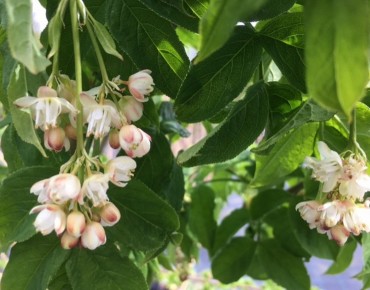
Caucasian bladdernut (in 10 liter pot)
Staphylea Colchica
Plant height
170/200 cm in 10 liter pot
- Pick up on site
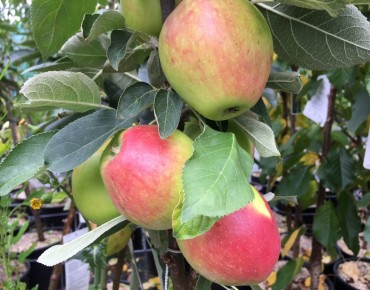
Columnar apple tree Redcats (in 10 liter pot)
Malus domestica Redcats
Plant height
100/120 cm in 10 liter pot
- Pick up on site

Weigelia Marjorie (in 3 liter pot)
Weigela florida Marjorie
Plant height
50/60 cm in 3,5 liter pot
- Pick up on site
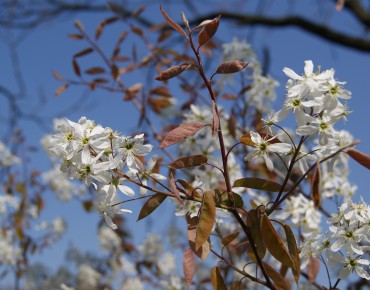
Canadian serviceberry Glenform Rainbow Pillar
Amelanchier Canadensis Glenform Rainbow Pillar
Plant height
80/100 cm in 5 liter pot
- Pick up on site
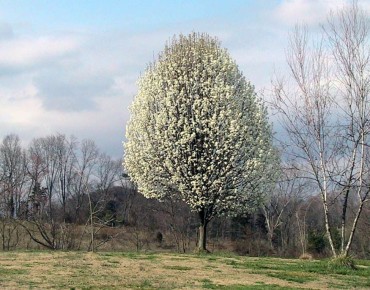
Aristocrat Ornamental Pear (in 10 liter pot)
Pyrus calleryana 'Aristocrat'
Plant height
200/240 cm in 15 liter pot
- novelty
- Pick up on site

Dwarf Weigelia Black and White® (in 3 liter pot)
Weigelia Black and White® 'Courtacad1'
Plant height
30/40 cm in 3 liter pot
- novelty
- Pick up on site
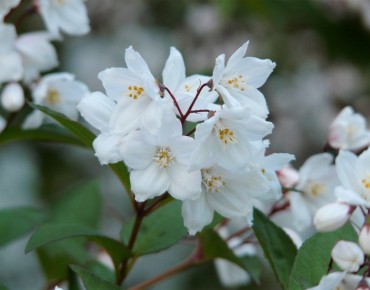
- Pick up on site

Oregon grape Charity (in 3 liter pot)
Mahonia media Charity
Plant height
60/70 cm in 3 liter pot
- Pick up on site
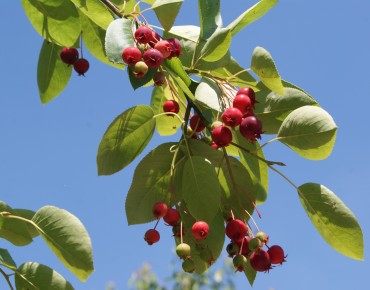
- Pick up on site
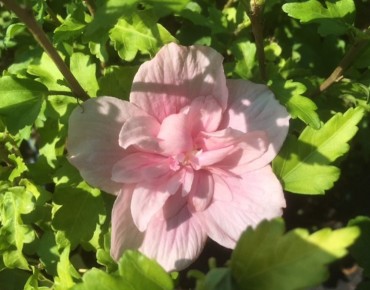
Rose mallow Pink Chiffon
Hibiscus syriacus Pink Chiffon
Plant height
50/60 cm in 3,5 liter pot
- Pick up on site
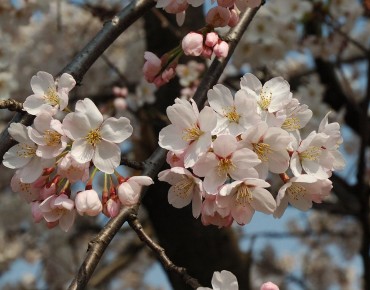
Japanese flowering Cherry Sunset Boulevard
Prunus serrulata Sunset Boulevard
Plant height
150/170 cm in 5 liter pot
- novelty
- Pick up on site

Northern red oak Boltes Gold (in 5-liter pot)
Quercus rubra Boltes Gold
Plant height
130/150 cm in 5 litre pot (grafted plant)
- Pick up on site