- Out of stock
- Pickup at nursery



The Weigelia Marjorie is a hardy, compact shrub with spectacular three-tone blooms and repeat flowering in autumn.
Description
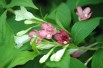
The Weigelia Marjorie is an ornamental shrub renowned for its abundant and prolonged flowering. This cultivar is distinguished by a three-tone bloom, combining dark pink, pale pink, and creamy white flowers. Flowering occurs in June–July and repeats in September–October, extending color into autumn. With a height of about 2 m and a width of 1.50 m, it has a compact, balanced habit. Extremely hardy, it withstands temperatures down to −29 °C. Its fresh green foliage enhances the flowers and adds decorative value. Easy to grow and maintain, it attracts pollinators and enriches biodiversity.
Flowering: June–July, repeat September–October
Flowers: Trumpet-shaped, three-tone: dark pink, pale pink, creamy white
Fruits: Elongated capsules, little ornamental value
Melliferous: Attracts bees, butterflies, and pollinators
Exposure: Sun or partial shade
Soil type: Fertile, fresh but well-drained, tolerates slightly calcareous soils
Soil nature: Neutral to slightly acidic
Preparation: Loosen soil, enrich with compost, mulch after planting
Spacing: 1.50–2 m
How to plant: year-round outside frost/heat, water generously
At planting: Regular watering to encourage rooting
At maturity: Moderate, water during prolonged drought to support flowering
When/how: After main bloom (July), remove spent shoots, thin center lightly
Methods: Semi-woody cuttings in summer, layering
Placement: Flower beds, decorative hedges, solitary planting
Associations: Lilacs, spireas, mock oranges, shrub roses
Traditional uses: Purely ornamental
Sensitivities: Occasionally aphids or powdery mildew
Prevention: Good airflow, avoid excess humidity, natural remedies (soap, horsetail decoctions)
Fertile, well-drained soil, sunny exposure. Light pruning after flowering stimulates repeat bloom. Mulch to retain moisture.
The Weigelia Marjorie stands out with its three-tone bloom and autumn repeat flowering, combined with exceptional hardiness.
The Weigelia Marjorie is a hardy ornamental shrub with spectacular three-tone blooms in summer and repeat flowering in autumn. Compact and easy to grow, it adapts to fertile, well-drained soils in sunny or partially shaded sites. With exceptional hardiness down to −29 °C, it is suitable for cold climates. It attracts pollinators and butterflies, enriching garden biodiversity. Used in beds, hedges, or as a solitary specimen, it brings color and elegance. This cultivar combines aesthetic appeal, robustness, and ease of maintenance, offering gardeners a durable and decorative plant for modern and traditional landscapes.
Shipping & delivery
 As soon as you place your order your plants are selected
 Each order is processed individually.
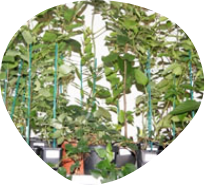 Plants are packed, staked and labeled.
 Packaging is carefully implemented to avoid any problems.
 Packages are ready to be shipped.
Expédition de nos plantes dans toute l'Europe (sauf en outre mer et les îles).
Avis clients


The Weigelia Marjorie is a hardy, compact shrub with spectacular three-tone blooms and repeat flowering in autumn.