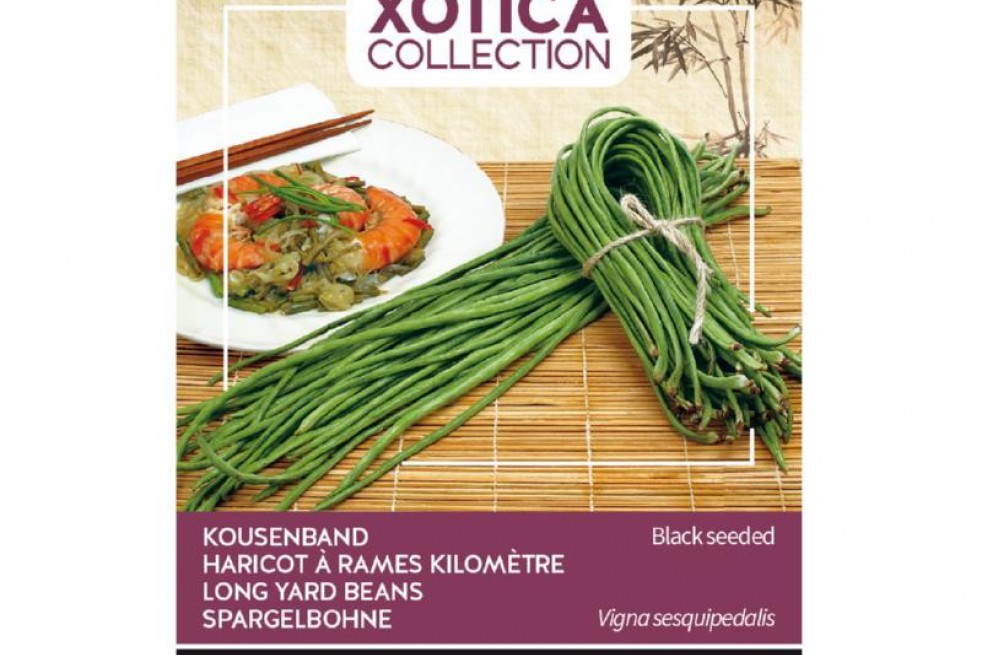


Yardlong Beans, Katjang Pandjang
Vigna unguiculata subsp. sesquipedalis L.
Grow the unusual with Yardlong Beans! Their giant pods and delicate asparagus flavour make them the star of the summer vegetable garden. Productive, heat-resistant, and spectacular, they are the ideal choice for a bountiful, vertical garden.>
Description
Yardlong Bean - Vigna sesquipedalis
Introductory summary
The Yardlong Bean, also known as the asparagus bean or snake bean, is a botanical curiosity that transforms the vegetable garden into an exotic jungle. What immediately stands out is the extraordinary length of its pods: they can reach, or even exceed, 80 cm, hanging gracefully along their supports. Unlike common beans, this tropical plant loves heat and grows vigorously throughout the summer.
In terms of flavour, it is a marvel of delicacy. Harvested young, it is completely stringless, crisp, and offers a subtle taste reminiscent of asparagus and hazelnut, with a firm texture that holds perfectly when cooked. A staple of Asian cuisine, it is ideal for quick wok preparations. Growing yardlong beans means enjoying a culinary journey while cultivating a productive plant that thrives even in heatwaves. It is the perfect vegetable to diversify your harvests with originality.
Origins and botanical family
Geographical origin
This plant originates from tropical and subtropical regions, mainly West Africa and Southeast Asia, where it has been a staple food for thousands of years.
Botanical family
It belongs to the Fabaceae family (legumes), but to the genus Vigna, which biologically distinguishes it from the traditional green bean of the genus Phaseolus.
Historical notes
Very popular in China and Suriname (under the name Kousenband), it was introduced to Europe for its heat resistance and spectacular ornamental appearance.
Botanical description and characteristics
Adult height
It is a very vigorous climbing plant that easily reaches 2.5 to 4 metres in height when given proper support.
Habit
The plant has a twining habit: the stems naturally wrap around any vertical support. A tall, sturdy trellis is therefore essential.
Foliage description
The foliage is dense, composed of large, dark green, glossy trifoliate leaves that create a lush canopy.
Other morphological features
The flowers are large, often purple or yellowish, and very ornamental. They produce extremely thin, hanging pods, usually in pairs.
Sowing and cultivation conditions
Ideal sowing period
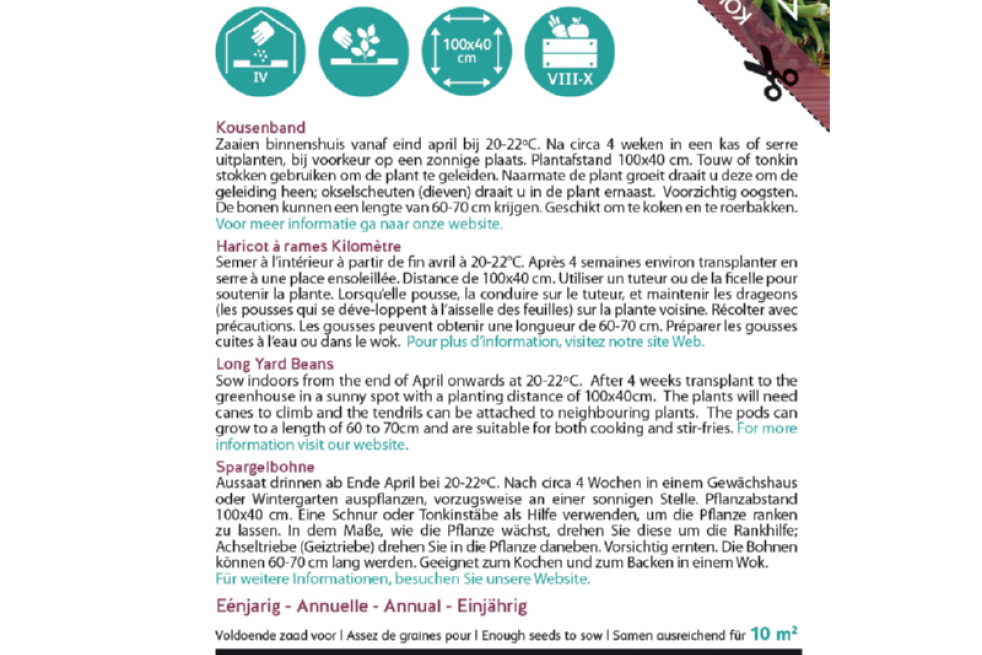
Sow late. Start indoors in warmth from April, or sow outdoors from May to June once all risk of frost has passed.
Ideal germination temperature
As a tropical plant, it requires warm soil, ideally between 20°C and 25°C, for uniform germination.
Germination time
Germination is fast under warm conditions, usually between 8 and 12 days.
Sowing depth and spacing
Sow at a depth of 2–3 cm. Space planting holes 50 cm apart and leave 80 cm between rows.
Recommended soil type
It prefers humus‑rich, well‑drained, light soil. It tolerates slightly acidic soils better than common beans.
Ideal exposure
A full sun location is crucial. It is one of the few vegetables that does not suffer from intense sunlight — quite the opposite.
Thinning
After germination outdoors, keep only the two strongest plants per planting hole to avoid competition.
Water requirements
Water regularly, especially during flowering and pod formation, to prevent the pods from becoming tough.
Care and maintenance
Pruning or pinching
Pinch the main stem once it reaches the top of its support to stimulate the production of lateral flowers.
Staking
Use strong poles, mesh, or a tipi structure. The plant becomes heavy when loaded with pods, so the support must be stable.
Disease prevention
It is fairly resistant, but watch out for black aphids that may settle on young tender stems in spring.
Harvest
Harvest period
Harvest begins about 70 to 80 days after sowing, from late July until autumn frosts.
Recognising maturity
Harvest pods when they measure 30 to 50 cm. At this size, they are tender and seedless.
Average yield
The yield is excellent. A small 3‑metre row can produce several kilos of pods over the season.
Storage method
They keep for 3 to 4 days in the refrigerator. For long‑term storage, they freeze very well after brief blanching.
Garden uses
Where to plant in the garden
Plant them on the north side of the vegetable garden to avoid shading other crops, or use them to create a green wall along a fence.
Beneficial plant associations
They pair perfectly with corn, which serves as a natural support, and with squash, which keeps the soil cool.
Crop rotation
As a legume, it fixes nitrogen in the soil. It is ideal to plant leafy vegetables (lettuce, cabbage) after it.
Culinary uses
Flavour
Its flavour is stronger than that of common green beans, with a pronounced green taste and a hint of mushroom/asparagus.
Cooking methods
Ideal cut into pieces and stir‑fried in a wok with garlic. It can also be boiled or added to spicy curries.
Tip or typical recipe
For a guaranteed visual effect, you can braid or tie the whole pods before steaming them.
Ecology, curiosities and advantages
Ecological interest
Its flowers attract pollinating insects. As a nitrogen‑fixing plant, it naturally improves soil fertility.
Anecdote
The name sesquipedalis means “one and a half feet” in Latin, referring to the impressive length of its pods.
Permaculture
It is a pillar of vertical gardening. It maximises production on minimal ground space — a major advantage in permaculture.
Why this vegetable deserves a place in the garden
The Yardlong Bean combines beauty with record productivity. It withstands very hot summers where traditional beans drop their flowers, ensuring an abundant and original harvest for lovers of exotic cuisine.
Features
- Common name : Yardlong Beans, Katjang Pandjang
- Category : vegetable
- Time to sow seeds : Late April
- Harvest : 70 to 80 days after sowing, extending from late July until the first frosts
Specific References
- EAN13
- 8711117804284
Expédition & livraison
How does the delivery work?
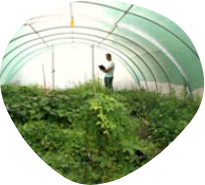 As soon as you place your order your plants are selected
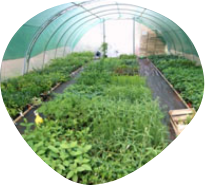 Each order is processed individually.
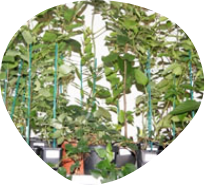 Plants are packed, staked and labeled.
 Packaging is carefully implemented to avoid any problems.
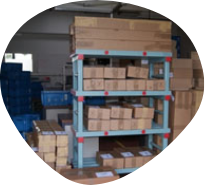 Packages are ready to be shipped.
Our delivery methods
Shipping of our plants throughout Europe (except overseas and islands).





Customer reviews
Nobody has posted a review yet
in this language