










Kiwano — Horned Melon: exotic orange fruit with soft spines and jelly-like pulp. Refreshing, kiwi-like flavor ideal for salads, smoothies and decorative culinary uses; grow in sun or under glass.
Description
The Kiwano, or horned melon, produces striking oval fruits covered with soft spines and filled with a jelly-like, slightly tart pulp. It grows as a vigorous vine and is suited to warm outdoor sites or protected cultivation in cooler climates. The interior pulp is refreshing and aromatic, combining cucumber-like freshness with tropical notes reminiscent of kiwi and banana, while the seeds add a pleasant crunch. Gardeners value Kiwano for its ornamental appeal and its ability to yield multiple fruits per plant under favorable conditions. Cultivation requires a nutrient-rich, well-drained soil, ample sunlight and support for vertical growth. The fruit is versatile in the kitchen: eaten fresh in salads, used as a garnish, blended into smoothies or transformed into sorbets and coulis. Kiwano is an excellent choice for growers seeking an exotic, visually impressive crop that also offers interesting culinary possibilities.
Kiwano originates from southern Africa where it grows wild in semi-arid habitats and has been used locally for food. It has since spread to other tropical and subtropical regions for both culinary and ornamental use.
Belongs to the Cucurbitaceae family, genus Cucumis, closely related to cucumbers and melons. This relationship explains its preference for warmth and fertile soil.
Traditionally used in some African cultures, Kiwano has become popular in horticulture and gastronomy for its unique appearance and flavor.
A vigorous climbing vine that can reach 2–4 m when left unpruned, requiring trellising or support for best results. In containers or greenhouses, growth is often managed by pruning and training.
Lobed green leaves provide shade and increase transpiration; they can be prone to fungal issues if air circulation is poor. Healthy foliage supports abundant flowering and fruit set.
Yellow unisexual flowers attract pollinators; fruits are oval, 8–12 cm long, orange at maturity with soft spines; the interior is greenish, jelly-like and packed with edible seeds.
Sow under cover from February to April for transplanting after frost, or sow directly outdoors in May–June when soil is warm. Early sowing under protection advances harvest and improves yields.
Optimal germination occurs between 22–28 °C, promoting rapid and even emergence. Cooler temperatures slow germination and increase rot risk.
Seeds typically emerge in 7–14 days depending on temperature and moisture; warm, moist but well-drained substrate speeds emergence.
Sow 1–2 cm deep in pots; transplant with 50–80 cm between plants and 1–1.5 m between rows to allow sprawling growth. Vertical training reduces ground footprint but requires good airflow.
Prefer rich, well-drained soils amended with mature compost to support vigorous growth. A neutral to slightly acidic pH (6.0–7.0) favors nutrient uptake.
Full sun is essential for fruit set and flavor development; in cooler regions, greenhouse cultivation improves ripening. Adequate heat and light are key to successful production.
Thin weak seedlings and limit fruits to 6–8 per plant to concentrate resources and improve fruit size and quality. Thinning encourages stronger plants and better air circulation.
Provide regular deep watering during growth and fruiting while avoiding waterlogging; reduce watering as fruits approach maturity to concentrate flavors. Consistent moisture supports steady development.
Pinch main shoots after several side branches to limit excessive vegetative growth and promote fruiting. Remove diseased or damaged leaves to reduce disease pressure and improve light penetration.
Trellising or staking is recommended to support vines and keep fruits off the ground; use slings or nets for heavy fruits to prevent deformation. Vertical culture simplifies harvest and reduces rot.
Practice crop rotation, avoid excessive nitrogen, and ensure good ventilation to prevent powdery mildew and downy mildew. Encourage beneficial insects, use mulch, and apply organic treatments when necessary.
Fruits are typically ready 90–120 days after sowing depending on climate and transplant date; protected cultivation can shorten this period. Staggered sowing extends the harvest window.
Ripe fruits turn bright orange and the spines are colored; the pulp becomes juicy and aromatic. Uniform color and firm skin indicate optimal harvest time.
Yield varies with conditions but commonly 3–8 fruits per plant under favorable care; greenhouse production can increase yields with optimized nutrition and training.
Store fruits in a cool, dry place (10–12 °C) for several weeks; pulp can be frozen or processed into coulis or sorbet for longer preservation. Avoid humid storage to prevent decay.
Plant against a trellis or fence to exploit vertical space and reduce ground contact of fruits. Choose a sunny, sheltered spot with fertile soil for best results.
Companion planting with corn or climbing beans can optimize vertical space; aromatic herbs may help deter pests. Preceding legumes in rotation improves soil fertility for Kiwano.
Avoid planting cucurbits in the same spot for 2–3 years to reduce disease buildup; follow with non-related crops and incorporate compost to restore soil health.
The pulp is refreshing, mildly tart and slightly sweet, with tropical undertones; seeds add a crunchy texture similar to kiwi. This flavor profile makes Kiwano versatile in sweet and savory dishes.
Use fresh in salads, as a garnish, in smoothies, or process into sorbets and coulis; the pulp is typically eaten raw and does not require cooking. Freezing pulp preserves flavor for off-season use.
Simple serving: halve the fruit, scoop out the pulp and mix with Greek yogurt, honey and mint for a refreshing dessert or breakfast bowl.
Kiwano flowers attract pollinators and contribute to garden biodiversity; when integrated into diverse plantings, it supports beneficial insect populations.
Often called “horned melon” for its spiky appearance, Kiwano is prized for its decorative and edible qualities in culinary presentations. Its translucent pulp and shiny seeds create striking visual dishes.
Suitable for permaculture systems with vertical supports, deep containers on balconies, and early sowing in unheated greenhouses to extend the season.
Kiwano — Horned Melon is a rewarding exotic crop for gardeners seeking visual impact and refreshing flavor. With proper warmth, support and care, it produces distinctive fruits that shine in both garden and kitchen.
Shipping & delivery
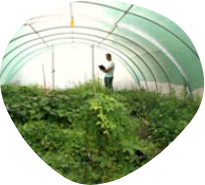 As soon as you place your order your plants are selected
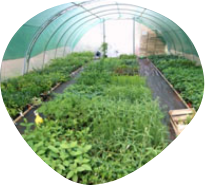 Each order is processed individually.
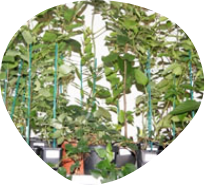 Plants are packed, staked and labeled.
 Packaging is carefully implemented to avoid any problems.
 Packages are ready to be shipped.
Expédition de nos plantes dans toute l'Europe (sauf en outre mer et les îles).
Avis clients






Kiwano — Horned Melon: exotic orange fruit with soft spines and jelly-like pulp. Refreshing, kiwi-like flavor ideal for salads, smoothies and decorative culinary uses; grow in sun or under glass.