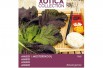








Bring fire and color to your vegetable garden with Indian Red Mustard! Its beautiful purple leaves with a peppery wasabi taste are as beautiful as they are delicious. An easy variety, perfect for explosive salads and tasty stir-fries.
Description
Indian Red Mustard, also known as Red Amsoi or Red Giant, is a spectacular variety that combines the aesthetics of an ornamental plant with the intense flavor of an Asian vegetable. Its large leaves, ranging from deep purple and violet to bronze-green, provide a striking visual contrast in the vegetable garden, standing out beautifully against classic green lettuces. On the palate, it offers a characterful tasting experience: raw, it delivers a distinct sharpness reminiscent of wasabi or horseradish, while cooking softens its heat to reveal more subtle, herbaceous notes.
Highly prized in "fusion" cuisine and modern salad mixes, this mustard is also a champion of fast growth, capable of providing generous harvests in autumn and winter. Its richness in anthocyanins, the pigments responsible for its violet color, makes it a "superfood" with recognized antioxidant properties. Growing Red Amsoi means choosing a garden that is both beautiful and nourishing, capable of waking up the sleepiest taste buds.
Although the genus Brassica is widespread, this specific red-leaved variety finds its origins in the temperate regions of East Asia, particularly China and Japan. It then spread widely via trade routes to India and Southeast Asia, before conquering Western gardens for its decorative qualities.
It belongs to the large Brassicaceae family, formerly crucifers, which includes plants like cabbage, arugula, and watercress. The species Brassica juncea is characterized by the presence of glucosinolates, natural sulfur compounds that give it that particular spicy taste.
Traditionally, in Asia, this plant was used as much for traditional medicine as for food, reputed to "warm" the body in winter thanks to its spicy flavor. In some cultures, it was planted on the borders of vegetable gardens to repel pests thanks to its volatile essential oils.
It is a vigorous plant that forms an upright rosette capable of reaching 40 to 60 cm in height when the soil is rich. During the flowering period, the flower stalk shoots up even higher, often exceeding 80 cm.
The habit is flared and majestic, with leaves starting from the heart and arching slightly outwards. This airy architecture allows for good air circulation between the leaves, thus limiting the risk of rot in humid climates.
The leaves are the signature of this variety: they are broad, oval, with serrated or curled edges, displaying a magnificent purple-violet color on top and often lighter veins. The intensity of the red color tends to increase as temperatures drop, making the plant even more beautiful in autumn.
The stems and petioles are fleshy, crunchy, and juicy, often tinged with green or purple depending on sun exposure. The flowers, typical of cabbages, are a bright, brilliant yellow that creates a superb contrast with the dark foliage when going to seed.
To obtain the most beautiful colors and avoid premature bolting, prioritize late summer sowing, from August to October. Spring sowing is possible in March-April, but the harvest window will be shorter before summer heat arrives.
Red mustard seeds germinate easily as soon as the soil reaches 10°C to 15°C, making it an excellent cool-season crop. Temperatures that are too high can inhibit germination or cause immediate stress to the young seedling.
Emergence is lightning fast: under adequate moisture conditions, cotyledons often appear in just 3 to 6 days. This speed allows it to quickly occupy the ground and effectively compete with weeds.
Sow superficially at about 0.5 cm depth, pressing the soil down well to ensure seed-to-soil contact. Space rows 30 cm apart and thin to 30 cm within the row to allow each plant the space needed to develop its ample colorful foliage.
Red Amsoi thrives in fertile, cool, and deep soil, well-supplied with decomposed organic matter. It tolerates a wide range of pH, but soil that is too dry or too poor will make the leaves tough and excessively pungent.
Although it loves the sun to develop its red pigments, it perfectly tolerates partial shade, especially in regions with hot summers. A shadier exposure will yield larger and greener leaves, while full sun will favor intense purple.
When the plants have 3 or 4 leaves, remove the least vigorous or overcrowded subjects to keep only the best ones. Do not throw anything away: the pulled young plants constitute an excellent spicy and colorful addition to your salads.
Regular and abundant watering is crucial to maintain the mildness of the leaves and their crunchy texture. Water stress is the main enemy of this crop, as it immediately triggers flowering and toughens the foliage.
No formative pruning is necessary, as the plant naturally takes on its beautiful rosette shape. However, you can "pinch" or cut the flower stalks as soon as they appear if you wish to extend leaf production by a few weeks.
The plant holds itself up well thanks to its robust stems and generally requires no trellising. Only seed bearers kept for reproduction might need support in case of strong winds.
Like all Brassicaceae, it is the favorite target of flea beetles, small beetles that perforate leaves in dry weather. Using a fleece cover immediately after sowing or maintaining constant moisture through mulching are the best natural preventive methods.
Harvest is fast and rewarding, often starting 40 to 50 days after sowing for mature plants. For "baby leaf" greens to add to salad mixes, you can start cutting as early as 25 days.
Observe the size of the leaves: when they reach 15 to 20 cm and display their beautiful purple color, they are ready to be eaten. It is preferable to harvest in the morning coolness to ensure maximum turgidity of the plant tissues.
It is a productive plant: a single well-fed plant can provide several hundred grams of leaves over several cuttings. By harvesting leaf by leaf (the lowest ones first), you stimulate central production and increase the total yield.
Red mustard leaves wilt quite quickly after cutting and should be consumed rapidly, ideally within 2-3 days. Store them in the refrigerator in a perforated bag or wrapped in a damp cloth to prolong their freshness.
Its dark color makes it a major decorative asset: plant it on the edge of beds, alternating with green vegetables or even in edible flower beds. It is also spectacular in autumn pots on a balcony, associated with pansies or ornamental cabbages.
It associates very well with slow-growing plants like carrots or beets, whose soil it protects. Lettuce and lamb's lettuce benefit from its light shade, while aromatic herbs like mint or lemon balm can help confuse olfactory pests.
Imperatively avoid planting it after other members of the cabbage family (turnips, radishes, broccoli) to break the disease cycle. It makes a good preceding crop for fruit vegetables like tomatoes or squash the following year.
Raw, red mustard surprises with its peppery and pungent attack that instantly wakes up the palate. Cooked, it loses much of its heat to keep only a rich, earthy, and slightly sweet flavor, close to spinach but with more body.
Use young raw leaves to add color and zest to your mixed salads or sandwiches. Large leaves are ideal stir-fried in a wok, braised with bacon bits, or added at the end of cooking to a miso soup to retain some texture.
Be aware that cooking modifies the color: purple leaves often turn dark green under the effect of heat. To keep their color on the plate, prioritize raw use or simply pour boiling broth over them just before serving.
Yellow mustard flowers are very rich in nectar and provide valuable food for bees early in spring or late in autumn. Moreover, when dug into the soil, the plant acts as a biofumigant green manure, sanitizing the earth thanks to its sulfur compounds.
The red-violet color is due to a high concentration of anthocyanins, natural pigments that protect the plant against cold and UV rays. These same pigments are powerful antioxidants for humans, making this variety nutritionally more interesting than its green cousin.
It is excellent in permaculture to occupy the soil in winter, a period when the garden is often empty. Its ability to capture nutrients and quickly cover the ground makes it a very effective temporary ground cover against erosion.
Indian Red Mustard is indispensable for the aesthetic and gourmet gardener. It offers a double reward: the pleasure of the eyes with its flamboyant purple foliage, and the pleasure of taste with its unique spicy aroma. Easy, hardy, and healthy, it energizes the vegetable garden when other vegetables are scarce.
Shipping & delivery
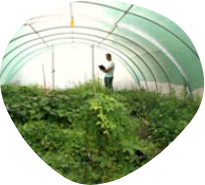 As soon as you place your order your plants are selected
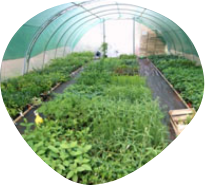 Each order is processed individually.
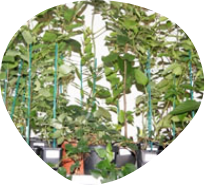 Plants are packed, staked and labeled.
 Packaging is carefully implemented to avoid any problems.
 Packages are ready to be shipped.
Expédition de nos plantes dans toute l'Europe (sauf en outre mer et les îles).
Avis clients




Bring fire and color to your vegetable garden with Indian Red Mustard! Its beautiful purple leaves with a peppery wasabi taste are as beautiful as they are delicious. An easy variety, perfect for explosive salads and tasty stir-fries.