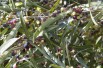
Narrow-leaved mock privet – Phillyrea angustifolia
Origins and characteristics
Native to the Mediterranean basin and Western Asia, Phillyrea angustifolia belongs to the Oleaceae family. Also known as wild olive, it is valued for its resilience in dry, windy environments.
Description and particularities
Adult height : 2 to 3 m
Adult spread : 1.50 to 2.50 m
Habit : Bushy, rounded and dense
Foliage : Evergreen; narrow, leathery leaves, bronze-green to dark green, 3–8 cm long
Flowering period : March to May
Flowers : Small, creamy to greenish, fragrant, discreet but nectar-rich
Fruits : Small bluish-black drupes, inedible but attractive to birds
Hardiness : Good, down to –16 °C
Exposure and soil
Exposure : Full sun or partial shade
Soil : Light, well-drained, poor to stony; tolerates dry and calcareous soils
Tolerance : Excellent tolerance to wind, salt, drought and pollution
Planting
Preparation : Loosen soil; no enrichment needed, mulching recommended
Spacing : 2 m for free or clipped hedges
Watering
At planting : Regular watering for 2 years to ensure establishment
When mature : Very low water needs; tolerates prolonged dry periods
Pruning
When : After flowering or late summer
Advice : Responds well to pruning; suitable for compact hedges or natural growth
Propagation
Semi-ripe cuttings in summer or seed propagation for non-hybrid forms
Garden uses
Positions : Windbreak hedge, coastal garden, slopes, Mediterranean beds, specimen or container
Recommended plant associations :
Shrubs :
- Olea europaea for a Mediterranean continuity
- Quercus ilicifolia for its glossy, dense foliage
- Arbutus unedo for evergreen structure and fruiting interest
Perennials :
- Lavandula angustifolia for fragrance and purple tones
- Ligularia stenocephala ‘The Rocket’ for yellow flowering
- Perovskia atriplicifolia for airy blue summer blooms
Disease resistance
Susceptibility : Very robust; little affected by pests or diseases
Prevention : No special care required; thrives even in harsh conditions
Tips for good development
Plant in full sun for optimal growth, water regularly during the first two years, prune after flowering to densify the shape, use on dry slopes for low maintenance, and combine with other Mediterranean plants for a harmonious effect.



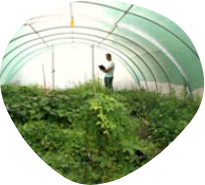 As soon as you place your order your plants are selected
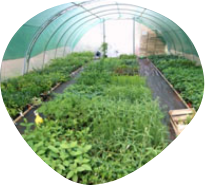 Each order is processed individually.
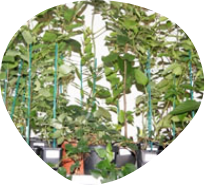 Plants are packed, staked and labeled.
 Packaging is carefully implemented to avoid any problems.
 Packages are ready to be shipped.