
- Pick up on site

Pink Weigelia (in 3 liter pot)
Weigela florida rosea
Weigela rosea, hardy ornamental shrub with abundant pink blooms and a rounded habit. Ideal for borders, flowering hedges and terraces, it attracts pollinators and provides long‑lasting garden colour.
Description
Height at maturity
2 m
Wingspan at maturity
1.50 to 2 m
Exposure
Sun, partial shade
Flowering
May - June
Hardiness
-20°C
Origin
Asia
Pink Weigelia — Weigela florida rosea
Main interest
The Weigela rosea is an ornamental shrub admired for its abundant pink blossoms and its naturally rounded, graceful silhouette. Its trumpet‑shaped flowers appear generously in spring and often return in summer, giving the plant a long season of visual interest. The soft pink tones contrast beautifully with the fresh green foliage, creating a delicate and harmonious presence in borders and mixed plantings. Thanks to its robustness and ease of cultivation, it adapts well to both modern and traditional gardens. Its reliability and long flowering period make it a favourite among gardeners seeking a colourful yet low‑maintenance shrub.
Origins and characteristics
Geographic origin :
The genus Weigela originates from East Asia, particularly from China, Korea and Japan. These regions offer varied climates, which have contributed to the shrub’s natural hardiness. Since its introduction to Europe, it has become a classic in ornamental horticulture.
Botanical family :
Caprifoliaceae
Notable particularities :
The Weigela rosea is one of the earliest cultivated forms of the genus and has long been valued for its generous flowering. It was frequently planted in botanical gardens to showcase the diversity of Asian ornamental shrubs. Its soft colour palette and reliable blooming habit have ensured its popularity for generations.
Description and particulars
Mature height
Weigela rosea typically reaches 1.5 to 2 metres, depending on soil quality and exposure. Its growth is steady and quickly forms a well‑balanced shrub. This moderate size makes it suitable for gardens of all dimensions.
Mature width
The shrub spreads 1.5 to 2 metres wide, forming a dense, rounded mass. This width gives it a strong structural presence in borders and flowering hedges. Even outside the blooming season, its shape remains decorative.
Habit
The habit is bushy, rounded and gently arching, with flexible branches that bend gracefully under the weight of the flowers. This natural architecture gives the plant a soft, romantic appearance. It maintains its form without requiring strict pruning.
Bark
The bark is light brown to greyish and remains smooth on young stems. As the shrub matures, fine vertical lines appear, adding subtle texture. Although discreet, the bark contributes to the plant’s refined overall look.
Foliage
The foliage is deciduous, with oval to lance‑shaped leaves of a fresh medium green. It provides an ideal backdrop for the pink flowers and stays attractive until autumn. In late season, the leaves may take on warm golden hues.
Growth
Growth is fast, allowing the shrub to reach maturity within a few years. It adapts easily to different soil types and light conditions. This vigour makes it a reliable choice for gardeners of all experience levels.
Hardiness
Weigela rosea is very hardy and withstands temperatures down to –20 °C. It performs reliably even in regions with harsh winters. Late frosts rarely affect its flowering.
Flowering and fruiting
Flowering period
The main flowering occurs from May to June, depending on the region. A second flush in summer is common, especially after a light pruning. This extended blooming period enhances its ornamental value.
Flower description
The flowers are trumpet‑shaped and arranged in clusters along the branches. Their colour ranges from soft pastel pink to deeper shades, sometimes with a lighter throat. They attract bees, bumblebees and butterflies, making the shrub valuable for pollinators.
Fruits
The fruits are small, elongated capsules containing fine seeds. They have no particular ornamental interest and remain discreet. Their presence does not affect the shrub’s overall appearance.
Melliferous or wildlife value
The flowers are nectar‑rich and provide an important food source for pollinating insects. They contribute significantly to garden biodiversity. The shrub supports a healthy ecological balance.
Exposure and soil
Ideal exposure :
Weigela rosea thrives in full sun, which is essential for abundant flowering. It tolerates partial shade but will produce fewer blooms. A bright location ensures more vivid colours.
Suitable soil :
It prefers light, fresh and well‑drained soils, but adapts to most garden conditions. Heavy soils can be improved with compost and sand. Slightly calcareous soils are tolerated.
Planting
Soil preparation
Loosen the soil deeply and incorporate mature compost to improve structure. Ensure good drainage to prevent waterlogging. Proper preparation encourages rapid establishment.
Spacing
Allow 1.5 to 2 metres between plants. This ensures good air circulation and reduces disease risks. It also allows the shrub to maintain its natural shape.
Soil nature
Neutral to slightly acidic soil, fresh but well drained, is ideal. Slightly calcareous soil is acceptable if drainage is adequate. Very dry soil may reduce flowering.
How to plant
Plant at the same depth as in the pot, backfill with fine soil and water thoroughly. Mulching helps retain moisture and stabilise soil temperature. Monitor watering during the first weeks.
Watering
Water needs at planting
Water regularly during the first weeks to maintain consistent moisture. The soil should remain fresh but not waterlogged. Mulch helps prevent evaporation.
Water needs at maturity
Once established, the shrub requires little watering except during prolonged drought. Watering after the spring bloom encourages a second flowering. It tolerates moderately dry summers.
Pruning
When and how to prune
Prune just after flowering to stimulate new shoots and future blooms. Remove older branches and shorten the ones that have flowered. Avoid heavy winter pruning, which reduces next year’s flowers.
Propagation
Propagation methods
Weigela rosea is best propagated by cuttings in summer, ensuring identical offspring. Layering is possible but slower. Seed propagation is not recommended due to lack of varietal fidelity.
Garden uses
Ideal placement
Ideal for borders, flowering hedges, solitary planting or near terraces. Its abundant flowering makes it a striking focal point. It fits well in both contemporary and cottage‑style gardens.
Recommended plant pairings
Pairs beautifully with :
- roses,
- spiraea,
- deutzia,
- lavender,
- hardy geraniums. These combinations create harmonious, long‑lasting flowering scenes.
Traditional uses
Weigela rosea has no notable culinary or medicinal uses. It is cultivated primarily for its ornamental value. Its generous bloom has made it a garden classic for decades.
Pests and diseases
Vulnerabilities
Generally robust, but may be susceptible to powdery mildew in humid conditions. Aphids may appear on young shoots in spring. Serious diseases are uncommon.
Prevention and natural treatments
Maintain an open structure, avoid excessive nitrogen and water at the base. Black soap is effective against aphids. Horsetail decoction strengthens natural resistance.
Tips for good development
Plant in full sun, water regularly during the first year and mulch the base. Prune after flowering to encourage a second flush. An annual compost application improves vigour and flowering.
Cultivar differences and specificities
The Rosea variety stands out for its soft pink flowers, natural rounded shape and ability to rebloom in summer. It is more floriferous than some modern cultivars. Its charm and reliability make it a favourite among gardeners.
Summary
The Weigela rosea is a hardy ornamental shrub valued for its abundant pink flowers and naturally rounded habit. It blooms generously in spring and often again in summer, providing long‑lasting colour in borders and hedges. Its trumpet‑shaped flowers attract bees and butterflies, contributing to garden biodiversity. With its fast growth and easy care, it is suitable for both novice and experienced gardeners. It thrives in full sun and well‑drained soil but adapts to many garden conditions. A light pruning after flowering encourages new shoots and a second bloom. The Weigela rosea is a versatile and reliable choice for anyone seeking a romantic, long‑flowering shrub.
Features
- Common name : Pink Weigelia
- Family : Caprifoliaceae
- Category : shrub
- Spread : 1.50 to 2 m
- Foliage : deciduous
- Color of flowers : pink
- Use : isolated - shrubbery - flowering hedge
- Soil : all
- Habit : bushy
- Enemies : aphid
- Possible diseases : root rot
Expédition & livraison
How does the delivery work?
 As soon as you place your order your plants are selected
 Each order is processed individually.
 Plants are packed, staked and labeled.
 Packaging is carefully implemented to avoid any problems.
 Packages are ready to be shipped.
Customer reviews
Nobody has posted a review yet
in this language
16 other products in the same category:
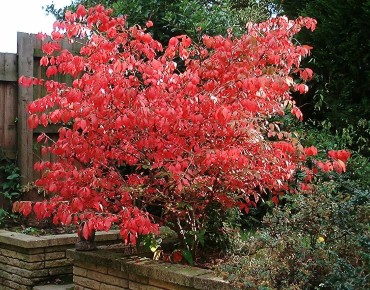
Winged spindle-tree (in 10 liter pot)
Euonymus Alatus
Plant height
120/130 cm in 10 liter pot
- Pick up on site

Weigelia Red Prince (in 3 liter pot)
Weigela florida Red Prince
Plant height
50/60 cm in 3,5 liter pot
- novelty
- Pick up on site
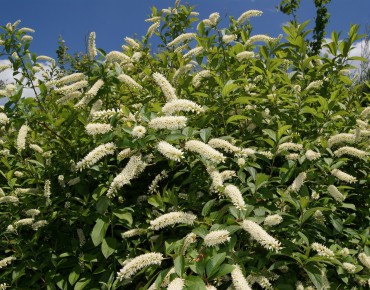
Virginia sweetspire Henry's Garnet
Itea Virginica Henry's Garnet
Plant height
50/60 cm in 3,5 liter pot
- Pick up on site
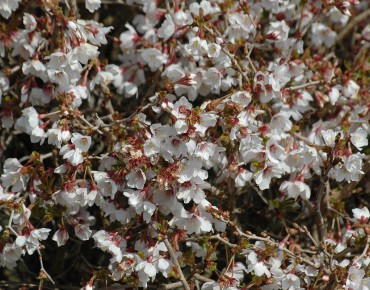
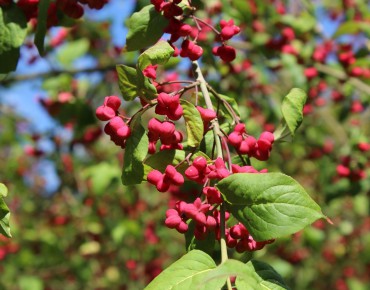
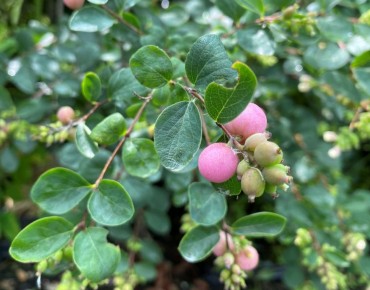
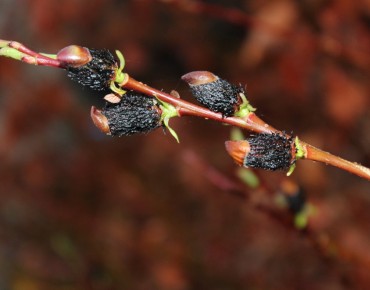
Snowberry Mother of Pearl
Symphoricarpos doorenboosii Mother of Pearl
Plant height
50/60 cm in pot of 1 liter
- Pick up on site

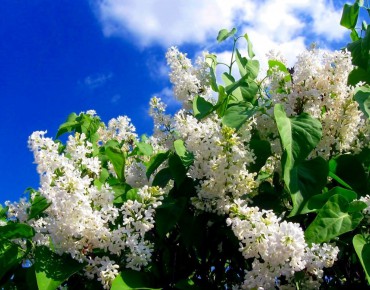
Lilac Madame Florent Stepman
Syringa vulgaris Madame Florent Stepman
Plant height
30/40 cm in a 1 liter pot

Hazel tree Tonda di Giffoni
Corylus avellana Tonda di Giffoni
Plant height
90/100 cm in 1,500 liter pot