- New



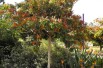
The Japanese medlar 'Coppertone', a unique evergreen shrub with coppery young leaves and fragrant spring flowering. Ideal for a colorful, exotic garden all year round.
Description
The Japanese medlar 'Coppertone' is an exceptionally elegant evergreen shrub that offers a permanent chromatic spectacle, fascinating lovers of Mediterranean and exotic gardens. This cultivar is distinguished by the spectacular coloring of its young shoots, which emerge in an intense coppery bronze hue, before progressively turning into a deep, glossy olive green. Its dense, rounded habit makes it an excellent choice for structuring a garden, whether as a specimen plant or integrated into a sophisticated evergreen hedge. In spring, it is adorned with delicately scented pinkish-white flowers, adding an extra sensory dimension to its already remarkable aesthetic appeal. Although often grown for its ornamental qualities, it produces small fruits in late summer that delight local wildlife. Its landscape utility is immense, as it brings a touch of luxury and relief through its large leathery leaves that catch the light in a unique way.
This shrub results from horticultural work seeking to combine the robustness of Asian species with a more colorful aesthetic. Its botanical parents are native to the warm temperate regions of China and Japan, where they grow naturally in woodlands and forest edges. The 'Coppertone' cultivar was stabilized for its superior ornamental qualities and its ability to maintain its copper brilliance over long periods.
The 'Coppertone' medlar belongs to the Rosaceae family, a vast family that also includes roses, apple trees, and pear trees. Taxonomically, this hybrid is particularly interesting as it sits at the crossroads of two genera, being the result of hybridization between Eriobotrya deflexa and Rhaphiolepis indica. This mixed parentage explains the frequent confusion of its botanical names.
One of the singularities of this plant lies in its multiple nomenclature, being also known as Rhaphiolepis indica 'Coppertone' or Eriobotrya deflexa 'Coppertone'. Botanically, it embodies hybrid vigor, offering better resistance to leaf diseases than some of its parents. Historically, plants of this lineage have always been appreciated for their leathery evergreen foliage and their ability to tolerate sea spray, making them precious allies for coastal gardens.
At maturity, 'Coppertone' generally reaches a height between 3 and 4 meters (10-13 feet). Its growth is moderate, allowing it to be easily maintained in sizes suited to medium-sized gardens without requiring constant intervention. This stature makes it an excellent green screen without overly dominating other plantings.
This shrub develops a wingspan of about 3 meters (10 feet), giving it a balanced and stocky silhouette. Its natural spread is harmonious, creating a dense plant volume that offers excellent screening if necessary. It is advisable to plan for this space right from planting to allow the lateral branches to flourish without constraint.
The habit is naturally bushy, rounded, and very dense, giving it a neat appearance even without regular pruning. The branches are robust and well-branched from the base, ensuring homogeneous leaf coverage. It is a plant that exudes an impression of strength and structural stability in the landscape.
The bark of young twigs is slightly downy, taking on a grayish and smoother hue over time. On the main trunk, it becomes darker and may show slight decorative cracking in older specimens. Although discreet, it participates in the overall robustness of the shrub and effectively protects the conducting tissues.
The evergreen foliage is the major asset of this variety, with oval, leathery, and finely toothed leaves. The contrast between the young copper leaves and the old dark green leaves is absolutely striking. This persistence ensures a green decor all year round, particularly appreciated during the winter months when the garden is more bare.
The growth rate is moderate, ensuring solid wood and a shape that remains stable over time. The shrub takes time to establish well before developing its final branches, which is a guarantee of longevity. This regular growth allows for easy anticipation of its evolution in a border.
The 'Coppertone' medlar presents a hardiness between -7 °C and -12 °C (10°F to 19°F) for short periods. In regions with cold winters, it is imperative to offer it a situation sheltered from dominant winds or winter protection during frost peaks. It is particularly adapted to oceanic and Mediterranean climates where severe frosts are rare.
Flowering generally occurs between the months of March and April, marking the arrival of spring. The flowers appear in generous clusters at the ends of the branches, creating a delicate contrast with the copper foliage. This early flowering is much anticipated by gardeners for its fresh and spring-like appearance.
The flowers are small, of a delicate pinkish-white, and are grouped in terminal panicles. They give off a light scent, sometimes reminiscent of hawthorn or almond. Although discreet individually, their number creates a cloud-like mass effect on the shrub.
The fruits are small, round to slightly oval, and grow in clusters. Their skin turns from green to a bright orange when ripe. The flesh is yellow, tender, and juicy, with a sweet, slightly tart flavor.
They ripen in late summer or early autumn, but fruiting remains variable in cooler climates.
Thanks to its spring flowering, this shrub constitutes a precious food source for bees and other pollinators. The small fruits produced in late summer attract birds, which find a welcome pantry before autumn. The density of its evergreen foliage also offers a safe shelter for nesting.
To obtain optimal foliage coloring and a beautiful bloom, place it in full sun or light partial shade. It appreciates the heat that promotes the development of copper pigments but can tolerate partial shade in southern regions. A situation protected from cold winds is a major asset for its winter preservation.
Well-prepared soil is essential to ensure a good recovery for this hybrid medlar. It is advisable to decompact the soil deeply and provide a mixture of compost to enrich the substrate. Since we deliver our plants in pots, planting is possible year-round, simply avoiding days of intense frost or extreme drought.
If you wish to create a hedge or a dense border, allow a spacing of about 2 meters (6 feet) between each subject. For specimen planting, leave a free radius of 3 meters around the shrub so it can express its natural habit. Sufficient spacing allows for good air circulation, thus limiting the risk of leaf diseases.
The 'Coppertone' medlar prefers well-drained soils, rich in organic matter and remaining fresh without being waterlogged. It tolerates some pH diversity but will flourish more in neutral to slightly acidic soil. It dreads excessively calcareous soils that could yellow its foliage and heavy soils that retain water in winter.
Dig a hole twice the volume of the pot and mix the garden soil with a quality amendment. Install the plant ensuring the collar is not buried, then lightly tamp the soil around the ball. Finish with a generous watering to promote contact between the roots and the new soil.
During the first year following planting, regular watering is indispensable, especially during the hottest months. Care must be taken to keep the ball moist to encourage root development into the surrounding soil. A weekly water supply is generally sufficient, more frequent in case of high heat.
Once well established, the shrub becomes moderately drought resistant, thanks to its leathery leaves that limit evaporation. However, to keep brilliant foliage and promote flowering, supplemental watering in the summer period is recommended. Organic mulching at the base will help preserve residual soil moisture.
Pruning is ideally done just after flowering, so as not to compromise the following year's flower production. It mainly consists of harmonizing the shrub's silhouette and removing dead or poorly oriented branches. For hedges, light pruning is enough to maintain foliage density and stimulate the appearance of new copper shoots.
'Coppertone' is mainly multiplied by semi-ripe stem cuttings during the summer, ensuring the cultivar's characteristics are maintained. Grafting onto quince or hawthorn rootstock is also practiced by professionals for a stronger root system. Sowing is not recommended as it does not guarantee the specific copper coloration.
Place this shrub as a focal point in an evergreen border to create color contrasts. It is perfect near a terrace or an entrance where its fragrance and the beauty of its young leaves can be appreciated up close. Its tolerance to urban conditions also makes it an excellent choice for sheltered city gardens.
It pairs beautifully with plants with silver foliage like Caryopteris or with blue-flowering perennials like Agapanthus. Light grasses at its feet will emphasize the leathery texture of its leaves. In a hedge, it can be married with Photinias for a dynamic color play of red and copper.
Although this cultivar is primarily ornamental, it belongs to a lineage whose leaves were once used in traditional Asian pharmacopoeias. Today, its use is primarily aesthetic, symbolizing horticultural modernity through successful hybridization.
The medlar is often perceived as a lucky tree in some Asian cultures, symbolizing resilience. The name "Japanese medlar" recalls the importance of this plant in Japanese garden art. 'Coppertone' brings a contemporary touch to this heritage, blending tradition and chromatic innovation.
The shrub can sometimes be visited by aphids on young spring shoots or scab in cases of excessive humidity. It is also sensitive to fire blight, although this hybrid variety often presents increased robustness. Excessively calcareous soil can cause iron chlorosis, making the foliage pale.
To prevent fungal diseases, avoid watering the foliage and ensure good ventilation. In case of aphid attack, a simple jet of water or a spray of diluted black soap can suffice. Horsetail decoction can be used preventively to strengthen leaf tissues against fungi.
An annual intake of organic matter at the base of the shrub in autumn will help nourish the soil and protect the roots from cold. Monitor leaf color: if they yellow, iron intake (chelate) may be necessary. In borderline regions for hardiness, winter fleece will protect the precious flower buds.
The 'Coppertone' cultivar distinguishes itself from the common Japanese medlar by its more compact dimensions and especially by its bronze juvenile foliage. Unlike the type species which produces large juicy yellow medlars, 'Coppertone' prioritizes aesthetic appeal with more marked pinkish-white flowering.
The Japanese medlar 'Coppertone' is the ideal shrub for those seeking original and luminous evergreen foliage. With its coppery bronze young shoots and fragrant spring flowering, it brings an exotic and refined touch to the garden. Easy to maintain and vigorous, it is an exceptional choice for ornamental hedges or sunny borders.
Shipping & delivery
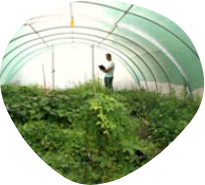 As soon as you place your order your plants are selected
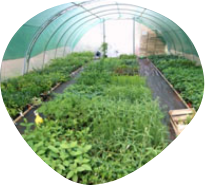 Each order is processed individually.
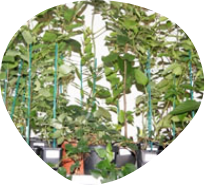 Plants are packed, staked and labeled.
 Packaging is carefully implemented to avoid any problems.
 Packages are ready to be shipped.
Expédition de nos plantes dans toute l'Europe (sauf en outre mer et les îles).
Avis clients


The Japanese medlar 'Coppertone', a unique evergreen shrub with coppery young leaves and fragrant spring flowering. Ideal for a colorful, exotic garden all year round.