Flowering currant 'King Edward VII' – Ribes sanguineum 'King Edward VII'
Origins and characteristics
Native to North America, Ribes sanguineum belongs to the Grossulariaceae family. 'King Edward VII' is a popular selection appreciated for its vivid flowering, hardiness and ease of cultivation.
Description and particularities
Adult height : 1.50 to 2 metres.
Adult spread : 1.50 to 2 metres.
Habit : Bushy, dense and compact.
Foliage type : Deciduous; light green, textured leaves with a blackcurrant scent.
Flowering period : March to May.
Flowers : Hanging clusters of bright pink, nectar‑rich flowers, highly attractive to pollinators.
Fruits : Decorative black berries, eaten by birds.
Hardiness : Excellent, down to –20 °C.
Exposure and soil
Exposure : Full sun or partial shade; best flowering in full sun.
Soil : All soil types, fresh, well‑drained and humus‑rich.
Tolerance : Good tolerance to lime and poor but fresh soils.
Planting
Period : Autumn or spring.
Preparation : Loosen soil, add compost or potting mix if needed.
Spacing : 1 to 1.50 metres for an informal hedge.
Watering
At planting : Regular watering to encourage rooting.
Mature plant : Very tolerant; water during prolonged drought.
Pruning
Time : After flowering (late spring).
Advice : Remove dead wood, weak branches and open the centre to stimulate flowering.
Propagation
Semi‑ripe cuttings in summer.
Garden uses
Locations : Flowering hedge, shrub border, specimen, boundary planting.
Recommended plant associations :
Shrubs :
Forsythia for an early yellow burst.
Syringa vulgaris (lilac) to extend spring flowering.
Disease protection
Susceptibility : Robust; sometimes affected by powdery mildew in dry climates.
Prevention : Plant in fresh, well‑drained soil; avoid overly confined locations.
Growing tips
Plant in a bright location for maximum flowering, water regularly during the first summer, mulch to keep soil cool, remove old wood after flowering, combine with other spring shrubs for a vibrant garden from late winter onwards.



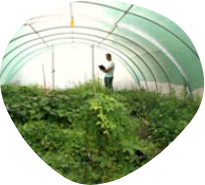 As soon as you place your order your plants are selected
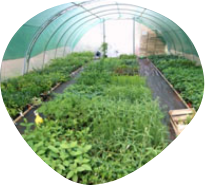 Each order is processed individually.
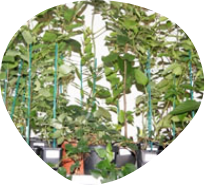 Plants are packed, staked and labeled.
 Packaging is carefully implemented to avoid any problems.
 Packages are ready to be shipped.