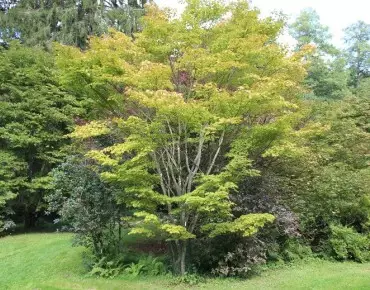
Grey Alder – Alnus incana
Main interest of the plant
The grey alder is a vigorous deciduous tree ideal for moist to wet soils. Valued for its fast growth, ability to fix nitrogen and stabilize banks, it plays a vital role in ecological restoration, hedgerows and naturalistic landscapes. Hardy and adaptable, it enriches poor soils and attracts wildlife.
Origin and characteristics
Native range: Central and Northern Europe, Balkans, mountainous zones
Botanical family: Betulaceae
Notable trait: Forms a symbiosis with nitrogen-fixing bacteria in its roots
Botanical description
Mature height: 10 to 18 m
Spread: 5 to 8 m
Form: Upright, narrow crown when young, broader with age
Bark: Silvery grey, smooth to slightly fissured
Leaves: Deciduous, grey-green, ovate, double-toothed
Growth rate: Fast
Hardiness: Excellent (down to –30 °C)
Flowering and fruit
Bloom period: March to April, before leaves emerge
Flowers: Male catkins (drooping) and female cones (upright) on the same tree
Fruit: Woody strobiles, decorative, persistent into winter
Ecological role: Hosts early pollinators and seed-eating birds
Light and soil
Light requirements: Full sun to partial shade
Soil type: Moist, rich or poor, clay, gravel or silt
pH: Acid to neutral (slightly calcareous tolerated)
Special feature: Tolerates temporary flooding and waterlogging
Planting (detailed)
Grey alder in pots can be planted year-round, except during frost or extreme drought.
Seasonal tips:
- Spring/autumn: Best for root establishment
- Summer: Possible with frequent watering
- Mild winter: Plant if soil is unfrozen and well-drained
Planting steps:
- Dig a hole twice the width of the pot
- Mix native soil with compost
- Place the tree upright, root collar at ground level
- Firm soil, build a watering basin
- Water thoroughly, apply mulch (wood chips, straw, leaves)
Tip: staking is not usually necessary, as alder develops a strong root system quickly.
Watering
First year: Water generously during dry periods
After: Becomes self-sufficient, highly moisture-tolerant
Pruning
When and how: Prune in winter to shape or rejuvenate. Tolerates hard pruning if needed.
Propagation
Method: By seed or root cuttings. May also sucker spontaneously.
Uses in the garden
Ideal for: Riverbanks, wetland edges, woodland hedges, soil regeneration
Companions: Willows, dogwoods, ferns, sedges, viburnums
Ecological and traditional uses
- Soil improver: Enriches poor soils by fixing nitrogen
- Wood: Used locally for small carpentry or firewood
- Biodiversity: Supports insects, pollinators, and nesting birds
Diseases and resistance
Very resistant, rarely affected by pests. May decline in dry, compacted soils.
Growing tips
- Choose a permanently moist spot
- Avoid dry or heavily calcareous soils
- Mulch yearly to retain moisture and improve structure
The Grey alder is a smart choice for gardeners seeking a resilient, fast-growing tree for moist zones. Available year-round in pots, it’s ideal for stabilising banks, enriching soils, and supporting wildlife in naturalistic settings.



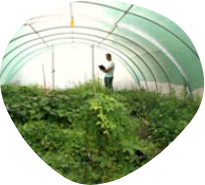 As soon as you place your order your plants are selected
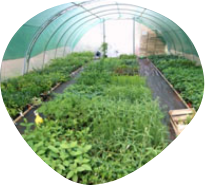 Each order is processed individually.
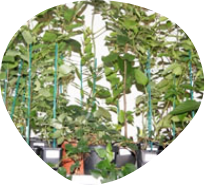 Plants are packed, staked and labeled.
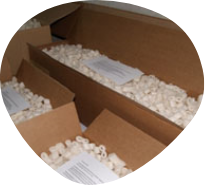 Packaging is carefully implemented to avoid any problems.
 Packages are ready to be shipped.