Persian ironwood - Parrotia persica
Main interest
The Persian ironwood is a masterpiece of nature, renowned as one of the most spectacular trees in the world during autumn. Its common name refers to the exceptional density and hardness of its wood, so heavy that it does not float. Beyond its robustness, it is its aesthetic versatility that captivates: it offers an unusual winter flowering in the form of small clusters of red stamens, followed by spring foliage edged with purple. However, it is at the end of the season that it reveals its true talent, transforming its dome of leaves into a genuine chromatic firework blending golden yellow, copper orange and crimson red. With age, its bark exfoliates like that of plane trees, revealing patches of cream, cinnamon and silvery grey, making it a major point of interest even in winter. It is the ideal tree for those seeking an exceptional specimen, hardy, disease‑resistant and endowed with a strong architectural presence.
Origins and characteristics
Geographical origin:
It originates from the temperate forests of Northern Iran (Alborz mountains) and Azerbaijan. It is a survivor of the Tertiary era that found refuge in these regions during glaciations.
Botanical family:
Parrotia persica belongs to the Hamamelidaceae family, like witch hazel and sweetgum, which explains its exceptional autumn colours.
Notable particularities:
The genus name Parrotia honours the German naturalist Friedrich Parrot, who made the first ascent of Mount Ararat. Its wood is so hard that it was once used for mechanical parts or tool handles requiring extreme durability.
Description and particularities:
Adult height
In gardens, it generally reaches 6 to 10 metres in height. Its growth is slow, making it an excellent choice for medium‑sized gardens where one wants a tree that does not become invasive too quickly.
Adult width
Its spread can reach 5 to 8 metres. It tends to develop as wide as it is tall, especially when grown as a multi‑stemmed specimen.
Habit
The habit is spreading and often bushy in youth, becoming more tree‑like with age. Its branches can fuse together when they touch (anastomosis).
Bark
The bark is one of its finest features. On mature specimens, it exfoliates in irregular patches, creating a decorative mosaic pattern reminiscent of camouflage or plane tree bark.
Foliage
The leaves are deciduous, oval and slightly corrugated, resembling beech leaves. They emerge light green with a purple edge, turn dark green in summer, then red, orange and yellow in autumn.
Growth
Growth is slow to medium, especially during the first years. It takes time to build a solid structure and dense wood before extending further.
Hardiness
It is extremely robust, tolerating temperatures down to -25°C. It is not afraid of harsh winters.
Flowering and fruiting:
Flowering period
Flowering is early and discreet, occurring in February or March, often on bare wood just before the leaves appear.
Description of flowers
The flowers lack petals. They consist of clusters of bright red stamens surrounded by brown bracts. Small but welcome in late winter.
Fruits
The fruits are small brown capsules without particular ornamental interest, but they contain seeds appreciated by small birds.
Exposure:
Ideal exposure:
It prefers full sun to express its most spectacular autumn colours. It tolerates partial shade, though colours will be less intense.
Planting
Soil preparation:
A well‑worked soil enriched with organic matter will ease establishment. Adding ericaceous compost can help in very calcareous soils, as it prefers slightly acidic to neutral conditions.
Spacing:
Leave 6 metres around it so it can develop its majestic crown freely.
Soil type:
It appreciates fresh, deep and well‑drained soils. It is tolerant but dislikes excessively calcareous soils, which may cause chlorosis.
Watering
Water needs:
Regular watering during the first two summers. Once established, it tolerates short dry periods, though a fresh soil enhances foliage quality.
Pruning
When and how to prune:
Pruning is not necessary. If needed, prune in late winter to remove lower branches (to reveal the bark) or crossing branches.
Propagation
Cuttings are difficult but possible. Air‑layering can be done on young specimens. Seed does not guarantee true‑to‑type offspring.
Ideal placement
Specimen tree, ornamental tree border, contemporary garden, winter garden. A remarkable focal point. Its decorative bark makes it attractive even in winter.
Recommended plant associations
Hamamelis, Japanese maples, dogwoods, ferns, hydrangeas. These plants appreciate acidic to neutral soils and create a refined atmosphere.
Traditional uses
In its native range, its dense wood was used for durable objects. In horticulture, it is valued mainly for its aesthetics. Often planted in botanical gardens.
Pests and diseases
Sensitivities
Very resistant, rarely sick. May suffer in calcareous soil. Young plants may be sensitive to water stress.
Prevention and natural treatments
Plant in acidic to neutral soil to avoid chlorosis. Mulch to maintain soil moisture. Water during prolonged drought.
Tips for good development
Plant in acidic to neutral, fresh and well‑drained soil. Provide good light exposure for optimal autumn colour. Avoid calcareous soils.
Differences and specificities of the genus
Parrotia persica stands out for its decorative bark, winter flowering and spectacular autumn foliage. Its slow growth makes it easy to integrate. Its high hardiness allows it to adapt to many climates.



 As soon as you place your order your plants are selected
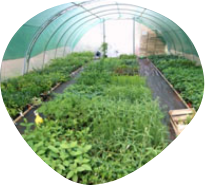 Each order is processed individually.
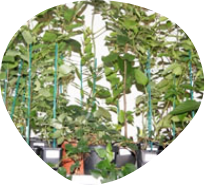 Plants are packed, staked and labeled.
 Packaging is carefully implemented to avoid any problems.
 Packages are ready to be shipped.