- Out-of-Stock





- Pick up on site


Description
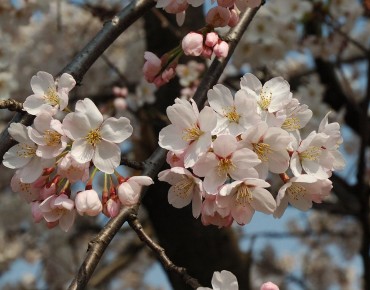
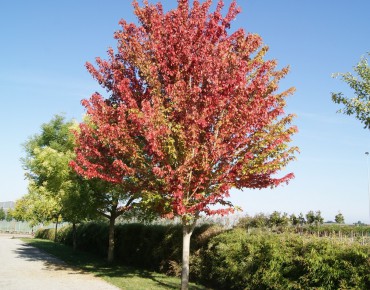
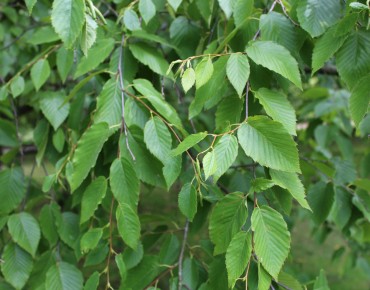
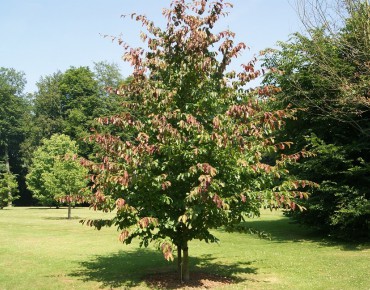
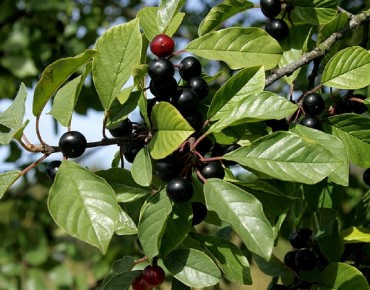
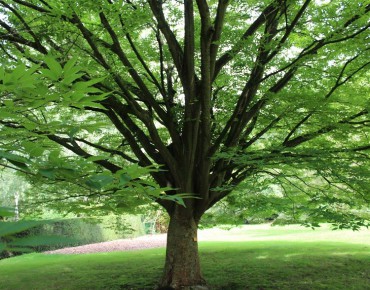
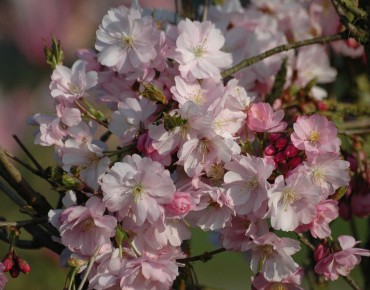
Prunus × 'Okamé' is a hybrid between Prunus incisa and Prunus campanulata, belonging to the Rosaceae family. It is valued for its early blossom and graceful habit.
Grafting onto Prunus avium
Locations : Specimen tree, light avenue planting, ornamental borders, small gardens
Recommended companions :
Prunus × 'Okamé' brings early colour, elegance and light to any garden with its vibrant pink blossom and graceful habit.
Expédition & livraison
 As soon as you place your order your plants are selected
 Each order is processed individually.
 Plants are packed, staked and labeled.
 Packaging is carefully implemented to avoid any problems.
 Packages are ready to be shipped.
Shipping of our plants throughout Europe (except overseas and islands).
Customer reviews