- Out of stock




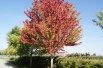
(an iconic deciduous tree with flamboyant autumn colors) Acer rubrum, or Red Maple, is a large ornamental deciduous tree, with a slender shape that broadens with age, famous for its sublime, bright red autumn color.
Description
The Red maple is native to the temperate regions of North America, where it grows in moist plains, mixed forests and along waterways. It belongs to the Sapindaceae family, like other maples. Very hardy, it is well adapted to cold climates, provided the soil is suitable.
This is a large tree with a slender youthful silhouette that broadens into a rounded crown over time. Its leaves are palmately lobed (3 to 5 lobes), dark green above and paler, bluish beneath. From late August, the foliage turns scarlet red or bright purple depending on soil conditions. It provides a spectacular and long‑lasting autumn display.
Best planted in autumn to encourage rooting, or in spring in colder climates.
Acer rubrum is perfect for:
Acer rubrum, or Red Maple, is a majestic and iconic tree that offers a spectacular display in autumn without requiring much maintenance. It is ideal for large gardens, natural landscapes, and anyone wishing to create a striking seasonal scene while supporting biodiversity.
Shipping & delivery
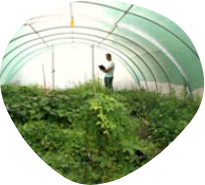 As soon as you place your order your plants are selected
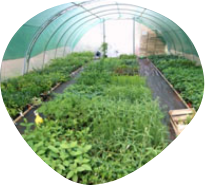 Each order is processed individually.
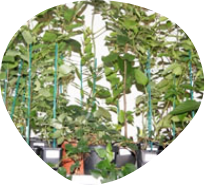 Plants are packed, staked and labeled.
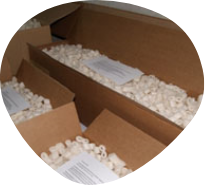 Packaging is carefully implemented to avoid any problems.
 Packages are ready to be shipped.
Expédition de nos plantes dans toute l'Europe (sauf en outre mer et les îles).
Avis clients


(an iconic deciduous tree with flamboyant autumn colors) Acer rubrum, or Red Maple, is a large ornamental deciduous tree, with a slender shape that broadens with age, famous for its sublime, bright red autumn color.
Your cart is empty
Continue shopping